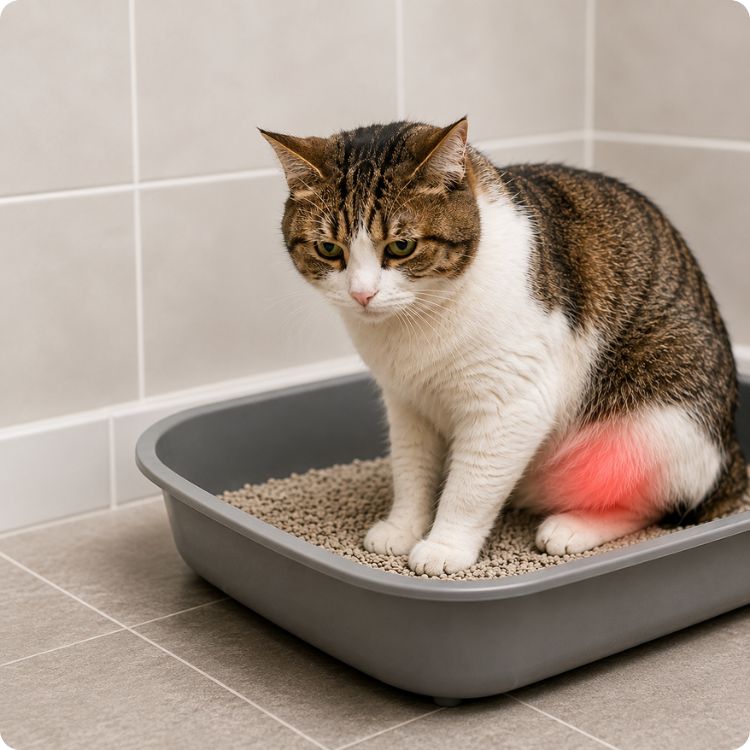
Exocare Veterinary Medical Center

Category: Cat Care

Your comprehensive cat care guide. Discover expert nutrition, health tips, and veterinary advice to keep your feline friend healthy, active & thriving at Exocare Veterinary Medical Centre.

  • Cat Vaccination & FIP/FeLV Test: Schedule & Cost (Malaysia)

    Cat Vaccination & FIP/FeLV Test: Schedule & Cost (Malaysia)

    • The complete Malaysian cat and kitten vaccination schedule, plus where FeLV and FIP testing fit in and what to budget.
    • Core vaccines protect against fatal, widespread diseases such as feline panleukopenia.
    • Owners often confuse FIP and FeLV, mistime boosters, or vaccinate a cat that should have been tested for retroviruses first.
    • Follow a WSAVA/AAFP-aligned schedule, test for FeLV/FIV before introducing or vaccinating where indicated & understand that FIP is now treatable.
    • Book your kitten’s first vaccination and retrovirus screening at ExoCare Vet Medical Centre, Subang Jaya.

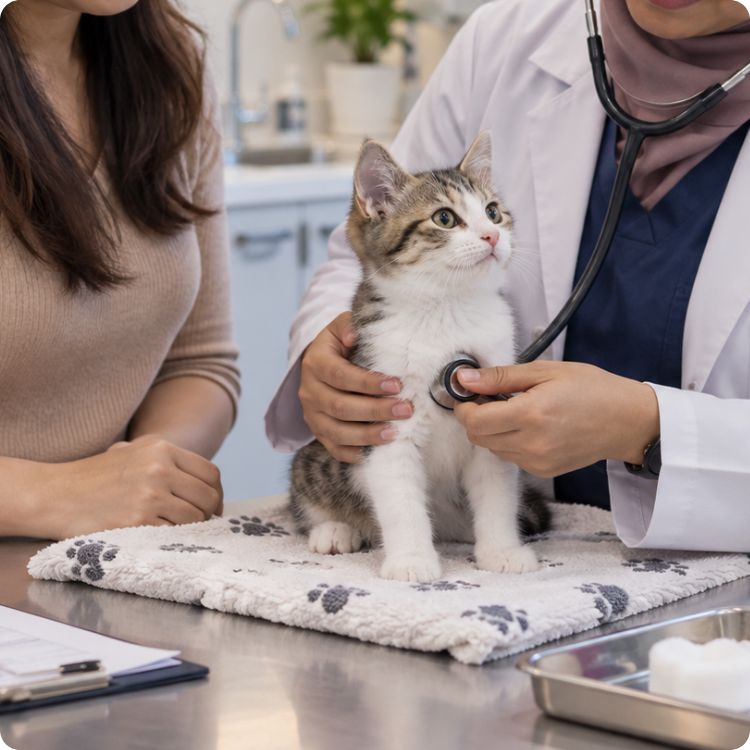
    Welcoming a new kitten or cat into your home is a joyful milestone, but navigating their early healthcare needs can feel overwhelming. Among health priorities, establishing a proper cat vaccination schedule and understanding viral screening (like FeLV and FIP) are the most crucial steps to protect your pet for life.

    Vaccines train your cat’s immune system to recognize and fight off dangerous pathogens before real exposure occurs. Skipping or delaying essential shots leaves young kittens vulnerable during their most critical growth phase.

    Core vs. Non-Core Cat Vaccines Explained

    Feline vaccines are categorized into two main groups based on lifestyle and medical risk:

    Core Vaccines (Essential for Every Cat)

    Core vaccines protect against widespread, severe diseases that every cat could contract, regardless of whether they live strictly indoors or outdoors.

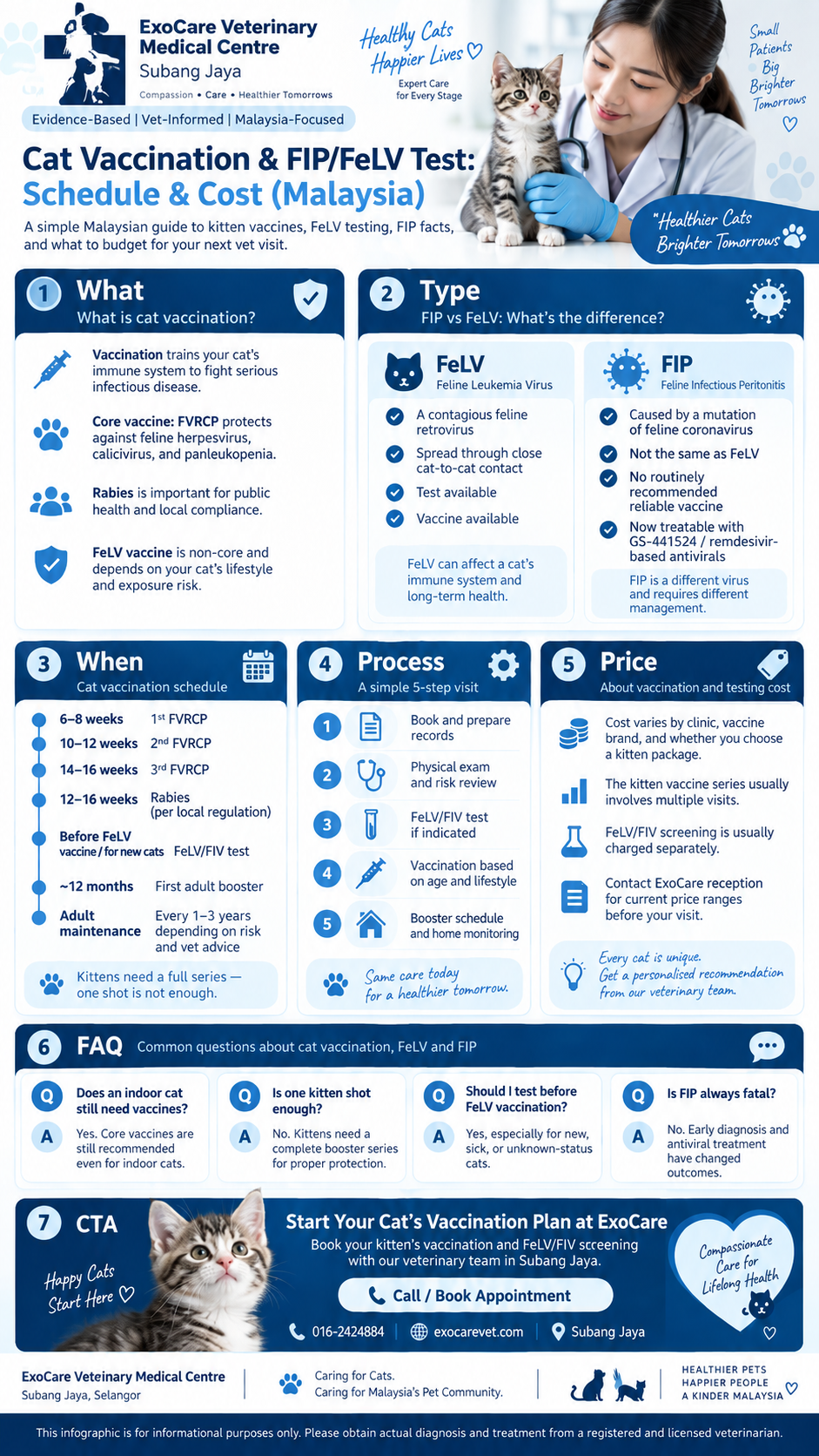
    • FVRCP (Tricat): Protects against three major viral threats: Feline Viral Rhinotracheitis (feline herpesvirus-1), Feline Calicivirus (respiratory issues and mouth ulcers), and Feline Panleukopenia Virus (a highly contagious, fatal intestinal virus).

    • Rabies Vaccine: Required by law or local health regulations in designated areas to protect both pets and public health.

    Non-Core Vaccines (Lifestyle-Dependent)

    • FeLV (Feline Leukaemia Virus): Recommended for outdoor cats, kittens, and cats living in multi-cat environments where contact with unknown cats is possible.


    Recommended Kitten and Adult Vaccination Schedule
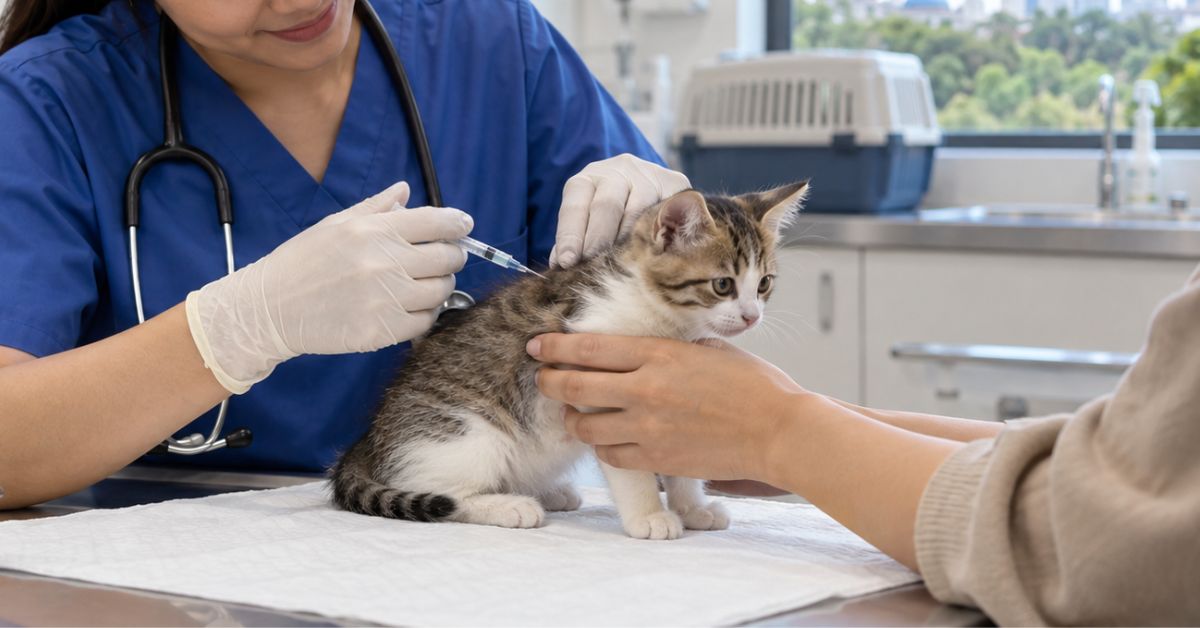
    cat vaccination

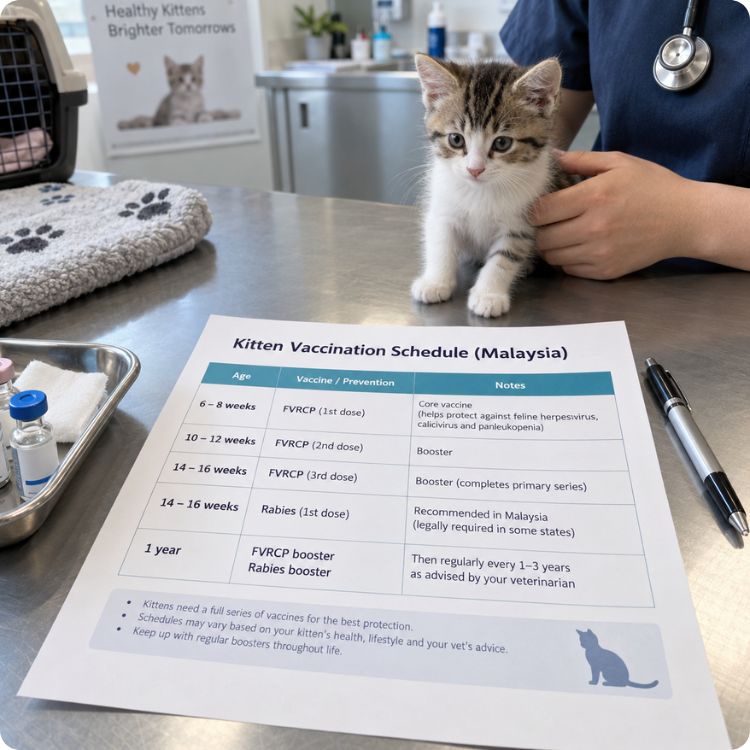
    Following guidelines from the World Small Animal Veterinary Association (WSAVA) and the American Association of Feline Practitioners (AAFP), a standard cat vaccination timeline includes:

    • 6 to 8 Weeks Old: First core FVRCP injection. Retrovirus screening (FeLV/FIV) is recommended before starting non-core vaccines.

    • Every 3 to 4 Weeks Until 16+ Weeks: FVRCP booster series. Multiple doses are needed because antibodies passed down from the mother cat (maternal antibodies) gradually fade over time. The final booster after 16 weeks ensures lasting immunity.

    • 12 to 16 Weeks Old: Rabies vaccination as recommended by local regulations.

    • 1 Year Old (12 Months After Series): First adult booster shot to consolidate long-term immunity.

    • Adult Maintenance: Core boosters every 1 to 3 years based on your cat’s lifestyle and veterinary risk assessment.

    Also Read: Expert for Exotic & Small Animals Vet in Selangor (2026)


    Understanding FeLV and FIP
    cat vaccination

    FeLV and FIP are frequently confused by cat owners because both are serious viral conditions. However, their diagnosis, prevention, and treatment are completely different:

    FeLV (Feline Leukaemia Virus)

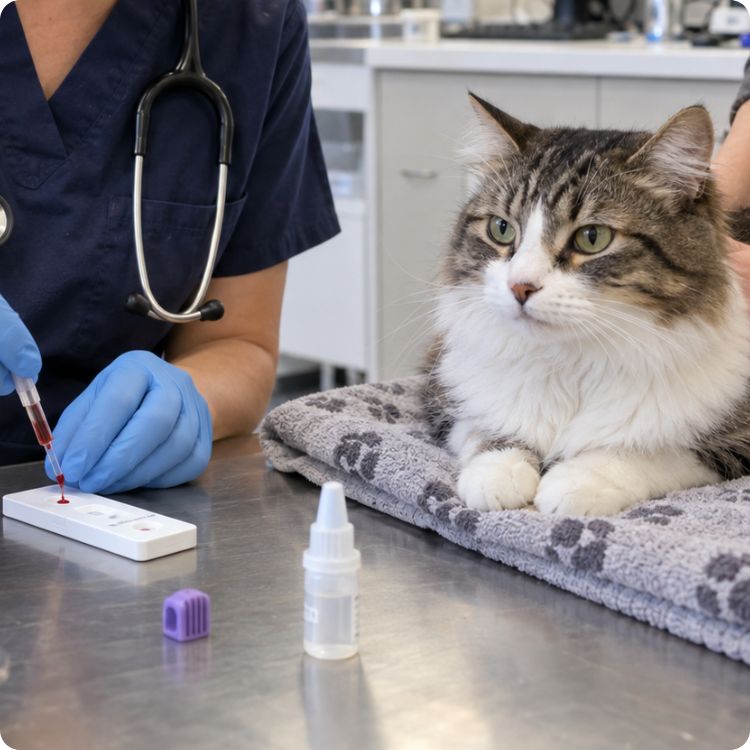
    FeLV is a contagious retrovirus spread through saliva, mutual grooming, bite wounds, and shared food bowls. It weakens the immune system and can cause severe anaemia. A rapid, in-house blood test detects FeLV antigens within minutes. Testing before administering an FeLV vaccine ensures your cat receives the right care.

    FIP (Feline Infectious Peritonitis)

    FIP develops when a common, usually mild Feline Coronavirus (FCoV) mutates inside an individual cat’s body.

    • Is there a vaccine? There is no routinely recommended core vaccine for FIP. Prevention relies on good hygiene and minimizing stress in multi-cat environments.

    • The Good News: While FIP was once considered untreatable, modern antiviral therapies (such as GS-441524) have transformed veterinary care, leading to high remission rates when diagnosed early.


    Multi-Cat Households and the Malaysian Climate
    cat vaccination

    In Malaysia’s warm climate, community cats and outdoor rescues are common. In multi-cat environments or rescue homes, viral circulation increases significantly.

    Screening new cats for FeLV/FIV before introducing them to your existing pets, alongside keeping up with their cat vaccination schedule, acts as an essential biosecurity layer for your entire household.

    Debunking Common Vaccination Myths

    Myth 1: “Indoor-only cats do not need vaccinations.”

    Fact: Hardy viruses like Feline Panleukopenia can easily be carried indoors on shoes, clothing, or outdoor gear. Core vaccinations remain essential for indoor cats.

    Myth 2: “A single kitten injection is enough to protect them.”

    Fact: A single shot can be neutralized by residual maternal antibodies. A completed booster series past 16 weeks of age is necessary to build durable, lifelong protection.

    Myth 3: “FIP is always an automatic death sentence.”

    Fact: Thanks to advances in targeted antiviral protocols (GS-441524), cats diagnosed with FIP now have a genuinely effective treatment path toward full recovery.

    “We vaccinate in a series so protection lands exactly when the mother’s immunity fades. The answer to the second has genuinely changed: FIP is no longer an automatic death sentence. But it all depends on accurate diagnosis first, which is why testing and a proper schedule matter so much.”

    — Dr. Asma Farihah (Senior Veterinary Specialist, ExoCare Vet Medical Centre)


    What to Expect Regarding Costs in Malaysia

    Vaccination costs vary depending on the specific vaccine type (FVRCP, Rabies, or FeLV) and whether your visit includes additional diagnostic screening.

    • Kitten Series: Involves several booster visits during their first few months, followed by an annual check-up.

    • FeLV/FIV Screening: A quick, same-day blood test recommended before starting lifestyle vaccines or introducing a new cat into your home.


    When to Schedule Your Visit

    Book a appointment with your vet if:

    • You have a new kitten ready to start or continue their booster series.

    • You have adopted a new cat with an unknown vaccination or retrovirus history.

    • Your cat shows signs of fever, unexplained weight loss, pale gums, or a swollen abdomen.

    ExoCare Vet Medical Centre (Subang Jaya)

    • Operating Hours: Monday & Wednesday – Sunday: 11:00 AM – 7:00 PM (Closed Tuesdays).

    • Location: Subang Jaya, Selangor.

    • What to Bring: Previous vaccination cards or adoption records, and transport your cat safely in a secure carrier.


    Frequently Asked Questions

    How much does cat vaccination cost in Malaysia?

    Costs vary by clinic, vaccine type (core FVRCP vs rabies vs FeLV) and whether it is part of a kitten package. Expect the kitten series to involve several visits, and budget for retrovirus testing separately. Note that diagnostic tests such as FeLV/FIV screening carry non-waivable fees because they involve laboratory reagents and processing. Contact ExoCare reception for current price ranges before your visit.

    Should I test for FeLV/FIV before vaccinating?

    Yes, particularly for kittens, newly acquired cats, and any cat of unknown status. Knowing the result guides whether the FeLV vaccine is appropriate and informs how a positive cat should be managed and housed. The in-house test gives same-visit results.

    How long does FIP treatment take and does it really work?

    Antiviral treatment for FIP is typically given over an extended course (commonly around 12 weeks, adjusted to the individual cat), with monitoring throughout. Published studies report high remission rates, making early, accurate diagnosis essential. Treatment duration and monitoring bloodwork mean it is a commitment, but it is now a genuinely curative option for many cats.


    Conclusion

    A protected cat starts with a properly timed vaccination series, the right core and lifestyle vaccines, and clarity on retrovirus status. Don’t confuse FIP with FeLV, don’t stop the kitten series early, and don’t assume an indoor cat is exempt. And take heart: FIP, once uniformly fatal, is now treatable.

    Whether you have a new kitten or an adult cat overdue for review, our team will build you a clear, guideline-based plan.


    References

    AAHA/AAFP, “2020 AAHA/AAFP Feline Vaccination Guidelines”. Accessed at: https://www.aaha.org/wp-content/uploads/globalassets/02-guidelines/feline-vaccination-guidlines/resource-center/2020-aahaa-afp-feline-vaccination-guidelines.pdf

    American Association of Feline Practitioners, “2020 AAFP Feline Retrovirus Testing and Management Guidelines”. Accessed at: https://catvets.com/resource/feline-retrovirus-management-guidelines/

    Merck Veterinary Manual, “Feline Leukemia Virus Disease”. Accessed at: https://www.merckvetmanual.com/infectious-diseases/feline-leukemia-virus/feline-leukemia-virus-disease

    Coggins S. J. et al., “Retrospective study and outcome of 307 cats with feline infectious peritonitis treated with legally sourced veterinary compounded preparations of remdesivir and GS-441524 (2020–2022)”. PubMed. Accessed at: https://pubmed.ncbi.nlm.nih.gov/37732386/


    This article has been medically reviewed based on clinical protocols by:

    Dr. Asma Fariha (MVC No. 3362).

    Senior Veterinary Specialist, ExoCare Vet Medical Centre, Subang Jaya.

    ExoCare is a referral veterinary medical center specializing in the medical, surgical, and critical care of small animals, exotic pets, avian species, reptiles, rodents, and amphibians in Malaysia.

     

    cat vaccination

  • Spay & Neutered Cat Malaysia: Best Age, Cost & Recovery Tips

    Spay & Neutered Cat Malaysia: Best Age, Cost & Recovery Tips

    • A Malaysian owner’s guide to spaying (females) and neutering (males) cats, the best age, what it costs & how to manage recovery.
    • Sterilisation prevents unwanted litters, reduces roaming and spraying, and lowers the risk of serious conditions like pyometra & mammary tumours.
    • A cat can become pregnant before the traditional “6 months” mark, and delaying raises certain health risks.
    • Current guidelines support spay/neuter by 5 months of age (“Fix by Five”), with a safe anaesthetic protocol and structured recovery.
    • Book a pre-surgical consultation at ExoCare Vet Medical Centre, Subang Jaya, to plan your cat’s procedure safely.

    Deciding to sterilize your cat is one of the most impactful choices you can make for their long-term health and wellbeing. Whether you have a playful young kitten or a newly adopted adult, having a neutered cat leads to a calmer, healthier pet while preventing unplanned litters.

    Sterilization surgery is a routine, low-risk procedure when managed with proper pre-surgical care and modern anaesthetic monitoring.

    What Do Spaying and Neutering Involve?

    neutered cat

    While often referred to under the general term “neutering,” the procedures differ between male and female cats:

    • Spaying (Female Cats): A minor abdominal soft-tissue surgery (ovariohysterectomy) to remove the ovaries and uterus. Spaying completely eliminates the risk of pyometra—a severe, life-threatening uterine infection and significantly reduces the risk of malignant mammary (breast) tumors.

    • Neutering / Castration (Male Cats): A quick, minimally invasive procedure to remove the testicles. A neutered cat is far less likely to spray urine indoors, roam away from home, fight with other neighborhood cats, or contract serious blood-borne viral infections like FeLV and FIV.


    When Is the Best Age to Spay or Neuter Your Cat?

    neutered cat

    The traditional recommendation of waiting until six months of age has shifted in modern veterinary medicine. Major veterinary organizations now support the “Fix by Five” initiative, recommending sterilization before a cat reaches 5 months of age.

    Why Sterilize Before 5 Months?

    • Prevents Early Pregnancies: Female cats can reach sexual maturity and become pregnant as early as 4 months old.

    • Maximizes Cancer Protection: Spaying before a female cat’s first heat cycle provides the highest level of protection against mammary cancer later in life.

    • Prevents Behavioral Issues: Neutering male kittens before they start spraying or territorial wandering helps prevent these habits from forming altogether.

    Also Read: Cat Vaccination & FIP/FeLV Test: Schedule & Cost (Malaysia)


    Managing Recovery in Malaysia’s Tropical Climate

    Malaysia’s warm and humid environment requires a few extra precautions during the post-surgery healing phase:

    • Keep Recovery Indoors: Ambient humidity and dust can increase the risk of surgical site infections. Keep your recovering cat inside a clean, quiet, and well-ventilated room.

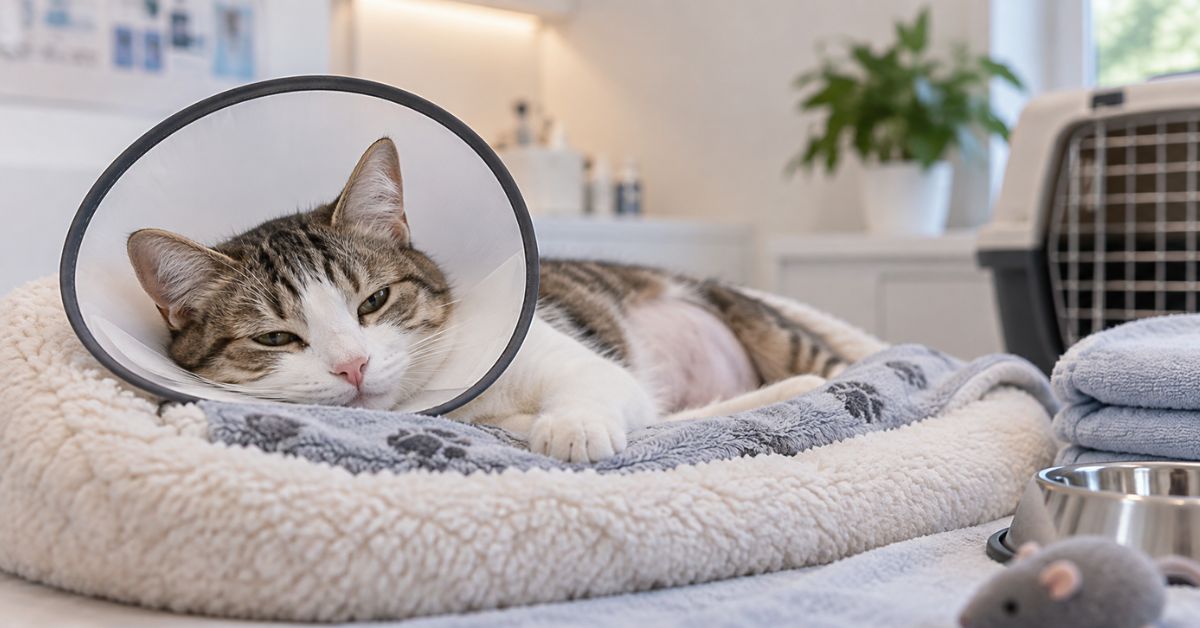
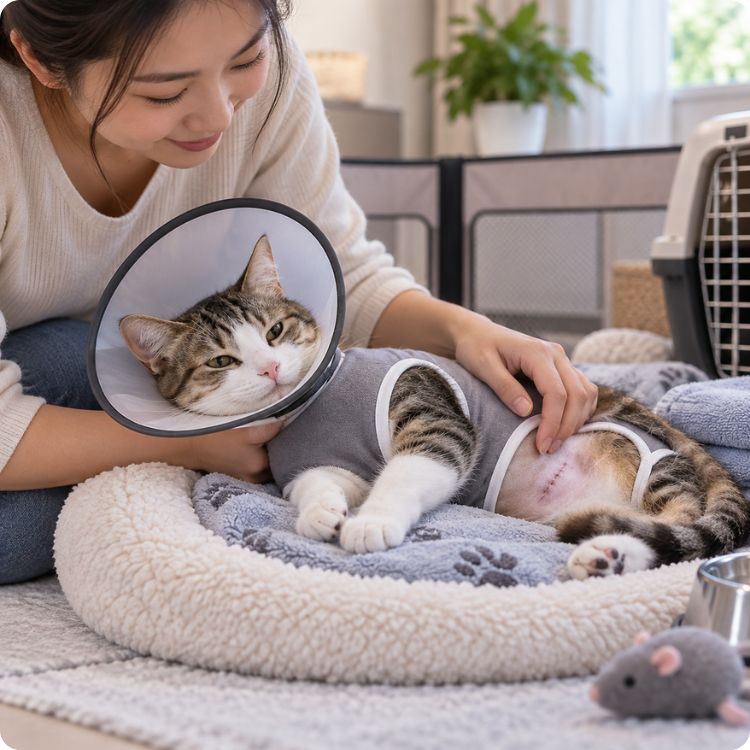
    • Prevent Wound Licking: Heat and humidity can make surgical incisions itchy. Always use an e-collar (recovery cone) or a surgical recovery suit for 10 to 14 days to prevent your cat from licking their stitches.

    • Limit Active Jumping: Keep your cat calm and prevent them from jumping on high furniture during the first few days to allow abdominal tissue to heal smoothly.


    Addressing Anaesthesia Safety

    It is completely natural for owners to feel nervous about general anaesthesia. Modern feline anaesthesia is exceptionally safe when supported by proper clinical protocols:

    1. Pre-Surgical Health Screening: Bloodwork evaluates kidney and liver function prior to surgery to ensure your cat can process anaesthetic medications smoothly.

    2. Tailored Anaesthetic Dosing: Doses are precisely calibrated to your cat’s weight and age.

    3. Continuous Vital Monitoring: Heart rate, breathing, oxygen levels, and body temperature are monitored continuously throughout the procedure.


    Debunking Common Myths About Sterilization

    Myth 1: “Female cats should have one litter before being spayed.”

    Fact: There is no medical or health benefit to letting a cat have a litter first. Spaying before the first heat cycle provides the strongest protection against uterine infection and mammary tumors.

    Myth 2: “Neutering will automatically make my cat fat and lazy.”

    Fact: While metabolic rate drops slightly after sterilization, weight gain is caused by overfeeding and lack of play. Adjusting food portions slightly keeps a neutered cat lean and energetic.

    Myth 3: “Indoor cats do not need to be neutered.”

    Fact: Indoor cats still experience heat cycles, vocal distress, territorial anxiety, and risks of reproductive diseases like pyometra. Sterilization keeps indoor pets comfortable and stress-free.

    What to Expect Regarding Costs and Recovery

    neutered cat

    Sterilization costs in Malaysia vary depending on your cat’s gender (female spays involve abdominal surgery and are slightly more involved than male neuters), age, and whether pre-anaesthetic blood testing is included.

    Post-Surgery Timeline:

    • First 24 to 48 Hours: Your cat may feel sleepy as the anaesthesia wears off. Offer small, light meals and keep them resting in a warm, quiet spot.

    • Days 3 to 7: Energy levels will return, but continue keeping them indoors and wearing their recovery cone. Check the incision daily to ensure it remains dry and clean.

    • Days 10 to 14: Final vet check-up for stitch inspection or removal (if non-absorbable sutures were used).


    “I have operated on too many older unspayed cats with pyometra, a uterus full of infection, when a routine spay years earlier would have prevented it entirely. Fix by five months. With modern anaesthesia and continuous monitoring, the risk of a planned sterilisation is very low, and the lifelong benefits are substantial.”

    — Dr. Asma Farihah (Senior Veterinary Specialist, ExoCare Vet Medical Centre)


    When to Contact Your Vet During Recovery

    Contact your veterinary clinic if you notice any of these recovery warning signs:

    • Redness, swelling, bleeding, or fluid discharge around the surgical incision.

    • Total refusal to eat or drink for more than 24 hours post-surgery.

    • Persistent vomiting, extreme lethargy, or pale gums.

    • Signs of unmanaged pain or an opened surgical wound.

    ExoCare Vet Medical Centre (Subang Jaya)

    • Operating Hours: Monday & Wednesday – Sunday: 11:00 AM – 7:00 PM (Closed Tuesdays).

    • Location: Subang Jaya, Selangor.

    • What to Bring: Follow pre-surgical fasting instructions provided at booking, and transport your cat in a secure, comfortable carrier.


    Frequently Asked Questions

    How much does it cost to spay or neuter a cat in Malaysia?

    Neutering a male is generally less expensive than spaying a female, because spaying is a more involved abdominal surgery. Total cost depends on the cat’s age and size, pre-anaesthetic blood work, pain medication and any recovery items. Some pre-surgical diagnostics carry non-waivable fees. Contact ExoCare reception for current price ranges so you can budget accurately before booking.

    How long is the recovery after spaying or neutering?

    Most cats are noticeably brighter within 24–48 hours. The incision typically needs about 10–14 days to heal, during which the cat should be kept calm, confined, and prevented from licking the wound with an e-collar or recovery suit. Neutered males usually recover faster than spayed females. Follow the recheck schedule we provide.

    Is it safe to spay my cat during Malaysia’s hot season?

    Yes, surgery is performed in a climate-controlled clinic. The climate matters mainly for recovery: keep your cat indoors in a cool, clean space, and monitor the incision closely, since heat and humidity can encourage wound interference and infection if hygiene lapses.


    Conclusion

    Spaying and neutering is one of the most valuable decisions you can make for your cat’s long-term health and behaviour and for reducing Malaysia’s population of unwanted kittens. Aim to fix by five months, choose a clinic with rigorous anaesthetic monitoring, and commit to a proper two-week recovery. If you are unsure about timing or anaesthesia for your individual cat, a pre-surgical consultation will give you clear, personalised answers.


    References

    AAHA, “The ‘Fix by Five’ Initiative: Feline Spay/Neuter by 5 Months of Age Becomes the Accepted Norm”. Accessed at: https://www.aaha.org/trends-magazine/publications/the-fix-by-five-initiative/

    AAHA, “When Should I Spay or Neuter My Dog or Cat? Age & Timing Guide”. Accessed at: https://www.aaha.org/resources/spay-or-neuter/

    United Spay Alliance / Feline Fix by Five, “At what age should I spay or neuter my cats?”. Accessed at: https://www.unitedspayalliance.org/feline-fix-by-five/get-involved/learning-library/at-what-age-should-i-spay-or-neuter-my-cats/

    Malaysian Veterinary Council (MVC). Accessed at: https://www.mvc.gov.my/


    This article has been medically reviewed based on clinical protocols by:

    Dr. Asma Fariha (MVC No. 3362).

    Senior Veterinary Specialist, ExoCare Vet Medical Centre, Subang Jaya.

    ExoCare is a referral veterinary medical center specializing in the medical, surgical, and critical care of small animals, exotic pets, avian species, reptiles, rodents, and amphibians in Malaysia.
     

    neutered cat

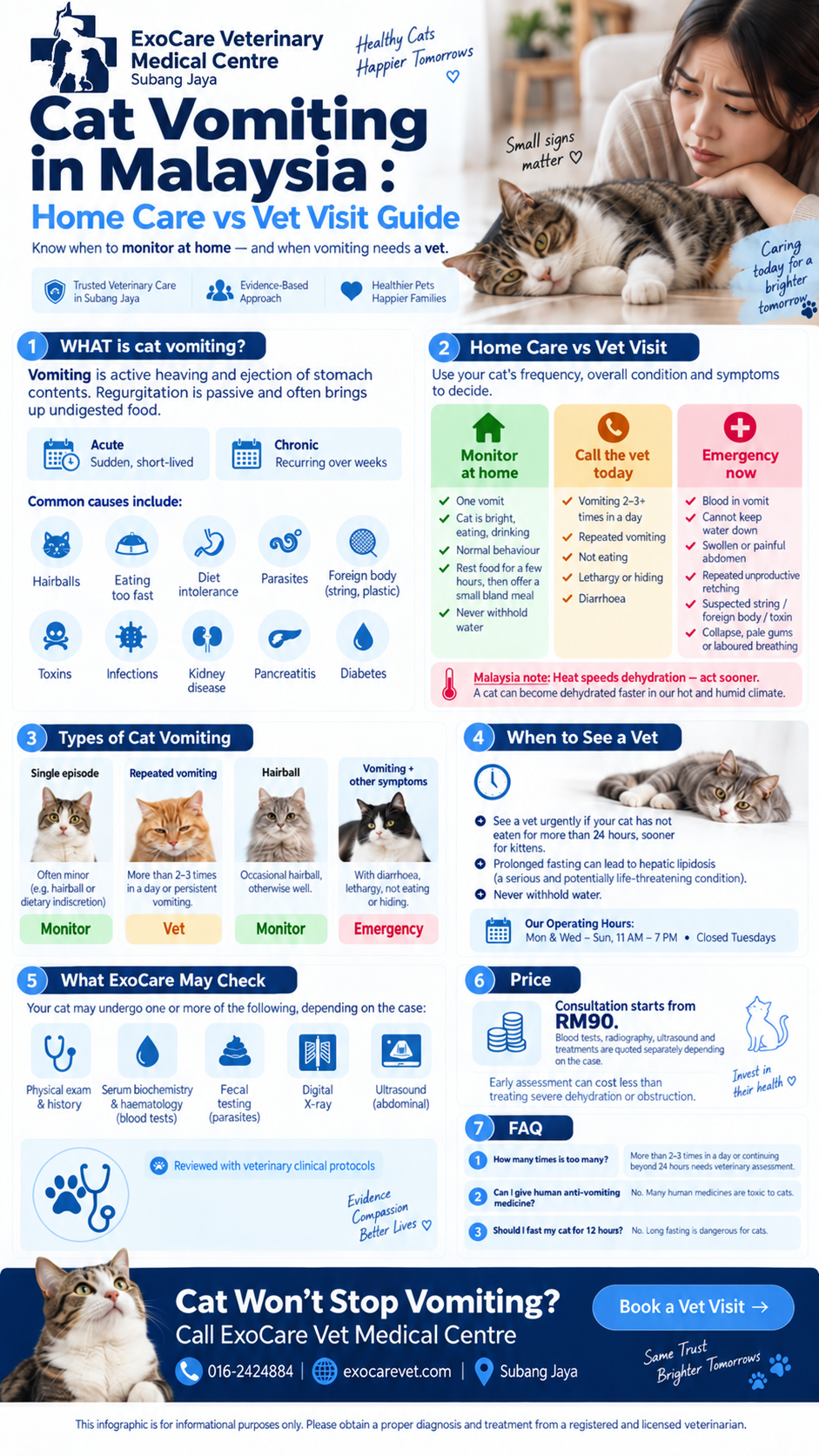
  • Cat Vomiting in Malaysia : Home Care vs Vet Visit Guide

    Cat Vomiting in Malaysia : Home Care vs Vet Visit Guide

    • A clear decision guide for Malaysian cat owners on when vomiting can be safely monitored at home and when it demands a vet visit.
    • Occasional vomiting can be minor, but repeated or severe vomiting causes rapid dehydration.
    • Owners often either panic over a single hairball or dangerously ignore genuine emergency signs like repeated vomiting, blood, or a cat that won’t eat.
    • Use the frequency, contents and accompanying signs to decide; know the short home-fast rule and the non-negotiable red flags.
    • If your cat is vomiting repeatedly, can’t keep water down, or seems unwell, contact ExoCare Vet Medical Centre, Subang Jaya.

    It is a familiar scenario for many cat owners: you walk into the living room and find your cat throwing up on the rug. While an occasional hairball is completely normal, persistent cat vomiting can quickly turn into a serious medical situation.

    Knowing how to differentiate between a mild, temporary stomach upset and a critical emergency helps you take the right steps without unnecessary panic.

    Understanding Cat Vomiting vs. Regurgitation

    To help your veterinarian pinpoint the issue, it is helpful to understand what happens when your cat throws up:

    • Vomiting (Active Process): Involves noticeable abdominal effort, retching, and heaving before releasing partially digested food, yellow bile, or clear fluid from the stomach.

    • Regurgitation (Passive Process): Food or fluid slides out smoothly from the esophagus without abdominal heaving, usually right after eating.

    Occasional cat vomiting can stem from simple triggers like eating too quickly, a minor hairball, or a sudden change in diet. However, frequent vomiting can indicate underlying issues such as dietary intolerances, intestinal parasites, ingestion of string or foreign objects, kidney disease, or pancreatitis.

    Also Read: Emergency Vet in Subang Jaya: What to Do During & After Hours

    Why Climate and Food Spoilage Matter in Malaysia

    cat vomiting

    In Malaysia’s hot and humid weather, managing digestive health requires extra vigilance:

    • Rapid Dehydration: When a cat vomits repeatedly, they lose essential body fluids and electrolytes. In a warm tropical climate, dehydration sets in much faster than in cooler regions, making prompt care essential.

    • Spoiled Wet Food: High humidity accelerates bacterial growth in canned or fresh wet food. Leaving wet food out at room temperature for more than two to three hours can cause food spoilage, triggering sudden vomiting.

    • Indoor and Outdoor Parasites: Year-round warm weather supports intestinal parasites, which are a common cause of chronic stomach upset in free-roaming or multi-cat environments.


    Home Care vs. Seeking Veterinary Care

    cat vomiting

    You can decide whether to monitor your pet at home or visit a clinic based on their symptoms:

    When Home Monitoring Is Safe

    • Single Episode: Your cat vomited once, but remains energetic, alert, and willing to eat or play normally.

    • Occasional Hairball: Hairball vomiting occurs occasionally without loss of appetite or lethargy.

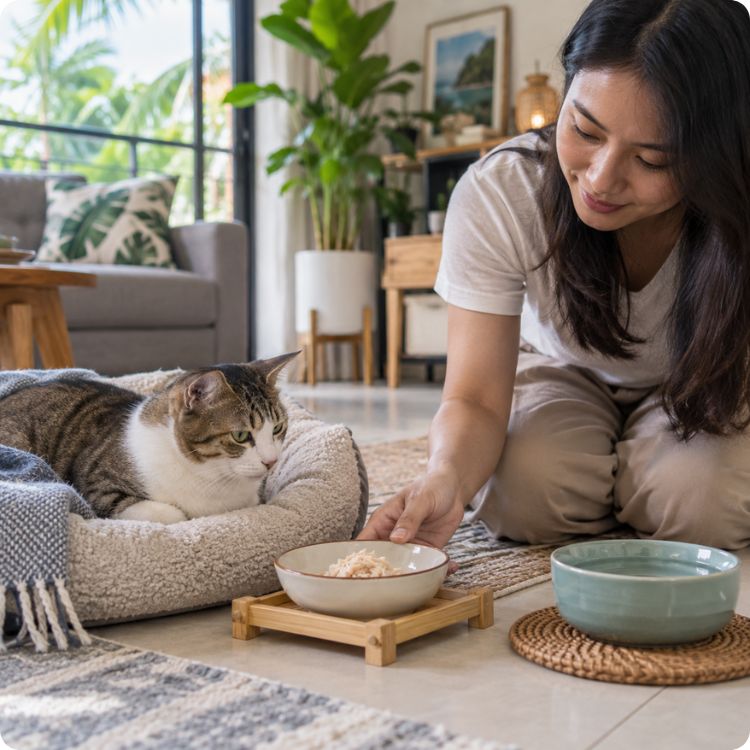
    • Action Steps: Pause food (not water) for 2 to 4 hours to let their stomach rest, then offer a small portion of plain, easily digestible food (such as plain boiled chicken).

    When to Schedule a Veterinary Visit

    • Vomiting Multiple Times a Day: Throwing up 2 to 3 or more times within 24 hours.

    • Loss of Appetite and Lethargy: Refusing food for more than 24 hours, hiding in dark corners, or appearing weak.

    • Diarrhea and Fever: Vomiting accompanied by soft stools, diarrhea, or elevated body temperature.


    Emergency Warning Signs

    Seek immediate emergency veterinary care if you observe any of the following critical red flags:

    • Blood in the Vomit: Seeing bright red blood, blood clots, or dark specks that resemble coffee grounds.

    • Inability to Keep Water Down: Throwing up immediately after drinking water.

    • Swollen or Painful Abdomen: Crying out when touched around the stomach area or repeated, unproductive retching.

    • Suspected Foreign Object or Toxin: Ingestion of string, thread, rubber bands, toxic plants (like lilies), or household chemicals.


    The Danger of Prolonged Fasting (Hepatic Lipidosis)

    cat vomiting

    While withholding food for a few hours helps calm a mild stomach upset, never force a cat to fast for more than 24 to 48 hours.

    When a cat stops eating, their body rapidly mobilizes fat stores to the liver for energy. Because a feline liver is not equipped to process large fat volumes efficiently, fat accumulates inside liver cells, leading to a life-threatening condition called Hepatic Lipidosis (Fatty Liver Disease).

    Important: Never withhold fresh drinking water, and never fast young kittens, senior cats, or cats with existing health conditions.

    Also Read: 8 Pet Emergency Symptoms You Cannot Ignore (Expert Review)

    Debunking Common Myths About Cat Vomiting

    Myth 1: “Vomiting is completely normal for cats.”

    Fact: Occasional hairballs happen, but frequent or weekly throwing up is not normal. Chronic cat vomiting often signals food allergies, intestinal parasites, or early organ disease.

    Myth 2: “Giving cow’s milk will help soothe an upset stomach.”

    Fact: Most adult cats are lactose intolerant. Offering cow’s milk usually causes worse stomach cramps, gas, and severe diarrhea. Stick to fresh, clean water.

    Myth 3: “If my cat acts okay between vomits, I don’t need to worry.”

    Fact: Cats are experts at hiding discomfort. Repeated vomiting still causes fluid loss and electrolyte imbalances, even if your pet tries to appear normal in between episodes.

    What to Expect During a Veterinary Visit

    If your cat’s symptoms require investigation, your veterinarian will run targeted diagnostics to find the root cause:

    1. Physical Examination: Assessing hydration levels, body temperature, and palpating the abdomen for pain or masses.

    2. In-House Bloodwork: Checking kidney and liver function, blood sugar, and electrolytes.

    3. Digital Imaging (X-Rays & Ultrasound): Evaluating the stomach and intestines to rule out foreign body blockages or organ inflammation.


    “A cat that vomits once but is still eating and bright usually just needs watching. A cat that has stopped eating for more than a day, vomiting or not is heading toward hepatic lipidosis, and in our climate dehydration stacks on top of that quickly. When in doubt, it is always cheaper and safer to call us early than to treat a collapsed, dehydrated cat two days later.”

    — Dr. Asma Farihah (Senior Veterinary Specialist, ExoCare Vet Medical Centre)


    When to Seek Veterinary Care in Subang Jaya

    If you notice persistent throwing up, unresponsiveness, or an inability to keep fluids down, having your pet evaluated early prevents severe dehydration and complications.

    ExoCare Vet Medical Centre (Subang Jaya)

    • Operating Hours: Monday & Wednesday – Sunday: 11:00 AM – 7:00 PM (Closed Tuesdays).

    • Location: Subang Jaya, Selangor.

    • What to Bring: Transport your cat safely in a secure carrier. Note how many times they have thrown up, bring photos of the vomit if available, and bring any packaging if you suspect toxin exposure.


    Frequently Asked Questions

    How many times is too many for a cat to vomit?

    As a practical rule, more than two to three times in a day, or vomiting that continues beyond 24 hours, is beyond home monitoring and should be assessed by a vet. Even a “normal-seeming” cat that vomits repeatedly is losing fluid and in Malaysia’s heat, dehydration develops faster.

    Should I give my cat medicine for vomiting at home?

    Do not give human anti-nausea or anti-inflammatory medicines — many are toxic to cats. Anti-vomiting medication should only be given when prescribed by a vet after the cause is assessed, because suppressing vomiting without knowing why (for example, with an obstruction present) can be dangerous.

    What will a vet visit for vomiting cost in Malaysia?

    It depends on what’s needed. A straightforward consultation is modest; if diagnostics such as blood work, radiography or ultrasound are required to find the cause, these carry additional, non-waivable fees because they involve equipment and laboratory processing. Early assessment often costs far less than treating an advanced, dehydrated case. Ask ExoCare reception for current ranges.


    Conclusion

    A single vomit from a bright, hungry cat is usually nothing to fear. Briefly rest the stomach, then offer a small bland meal. But repeated vomiting, blood, an inability to keep water down, or a cat that stops eating are signals to act, and Malaysia’s heat means acting sooner rather than later. Trust the pattern, not the panic: monitor the trivial, and call us for the serious. When you’re unsure which is which, a quick call to our team is always the safer choice.


    References

    Merck Veterinary Manual, “Vomiting in Cats”. Accessed at: https://www.merckvetmanual.com/cat-owners/digestive-disorders-of-cats/vomiting-in-cats

    VCA Animal Hospitals, “Vomiting in Cats”. Accessed at: https://vcahospitals.com/know-your-pet/vomiting-in-cats

    MedVet, “Understanding Vomiting in Dogs and Cats: Recognizing When It’s Serious (and When It’s Not)”. Accessed at: https://www.medvet.com/vomiting-in-dogs-and-cats/

    Malaysian Veterinary Council (MVC). Accessed at: https://www.mvc.gov.my/


    This article has been medically reviewed based on clinical protocols by:

    Dr. Asma Fariha (MVC No. 3362).

    Senior Veterinary Specialist, ExoCare Vet Medical Centre, Subang Jaya.

    ExoCare is a referral veterinary medical center specializing in the medical, surgical, and critical care of small animals, exotic pets, avian species, reptiles, rodents, and amphibians in Malaysia.


    cat vomiting


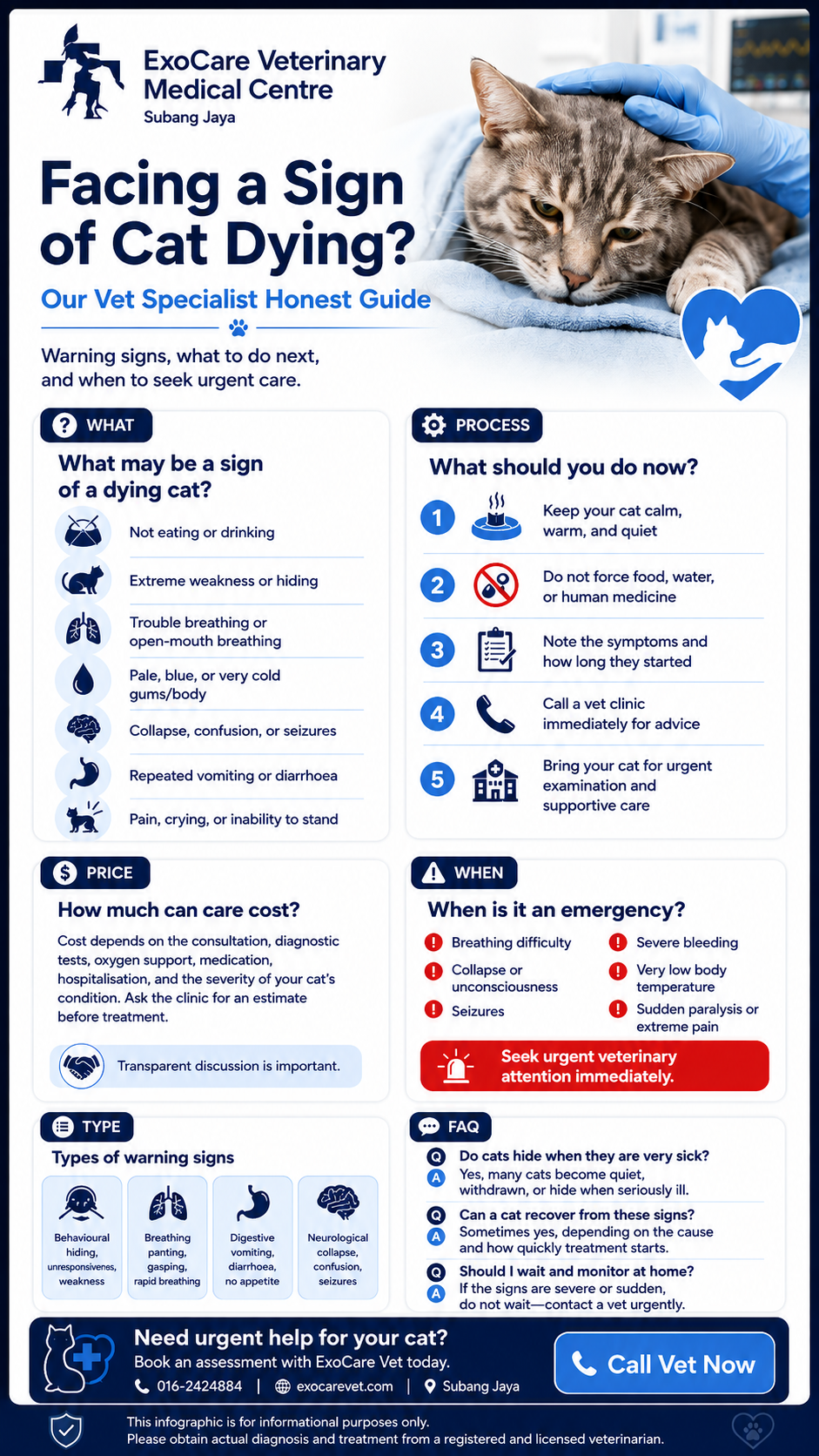
  • Facing a Sign of Cat Dying? Our Vet Specialist Honest Guide

    Facing a Sign of Cat Dying? Our Vet Specialist Honest Guide

    • The signs of a cat dying include profound weakness, hiding, refusing food and water, a drop in body temperature, pale gums & laboured breathing.
    • Some of these signs mean a cat is truly at the end of life, but many identical signs are reversible emergencies that a vet can still treat.
    • Owners either panic and lose precious time, or assume nothing can be done and let a treatable cat suffer or die needlessly.
    • An honest clinical assessment tells you the truth, whether to fight for recovery, or to focus on pain-free passing.
    • If your cat is showing these signs, contact ExoCare Vet Medical Centre, Subang Jaya, now.

    Noticing a potential sign of cat dying is one of the most heartbreaking experiences any pet owner can face. When a beloved feline suddenly hides in dark corners, refuses food and water, becomes unresponsive, or struggles to breathe, panic and grief naturally set in.

    However, as veterinarians, one of our most crucial responsibilities is helping owners distinguish between a cat that is truly in its final stages of life and one experiencing an acute, fully reversible emergency that merely looks like dying.

    At ExoCare Vet Medical Centre in Subang Jaya, we provide clear, compassionate, and clinically objective assessments to ensure your cat receives the exact care they need, whether that means fighting for recovery or ensuring a peaceful, pain-free passing.

    What Clinical Signs Suggest a Cat Is Declining?

    sign of cat dying

    Cats are master disguisers of illness, a natural survival instinct inherited from their wild ancestors. By the time physical symptoms become obvious, their body is often under severe physiological stress.

    Recognizing a critical sign of cat dying or medical collapse involves watching for these core physical changes:

    • Loss of Mobility or Sudden Paralysis: Inability to stand, unsteadiness, or sudden paralysis of the hind legs.
    • Pale, Grey, or Blue-Tinted Gums: Indicating poor oxygenation, severe internal bleeding, or cardiovascular collapse.
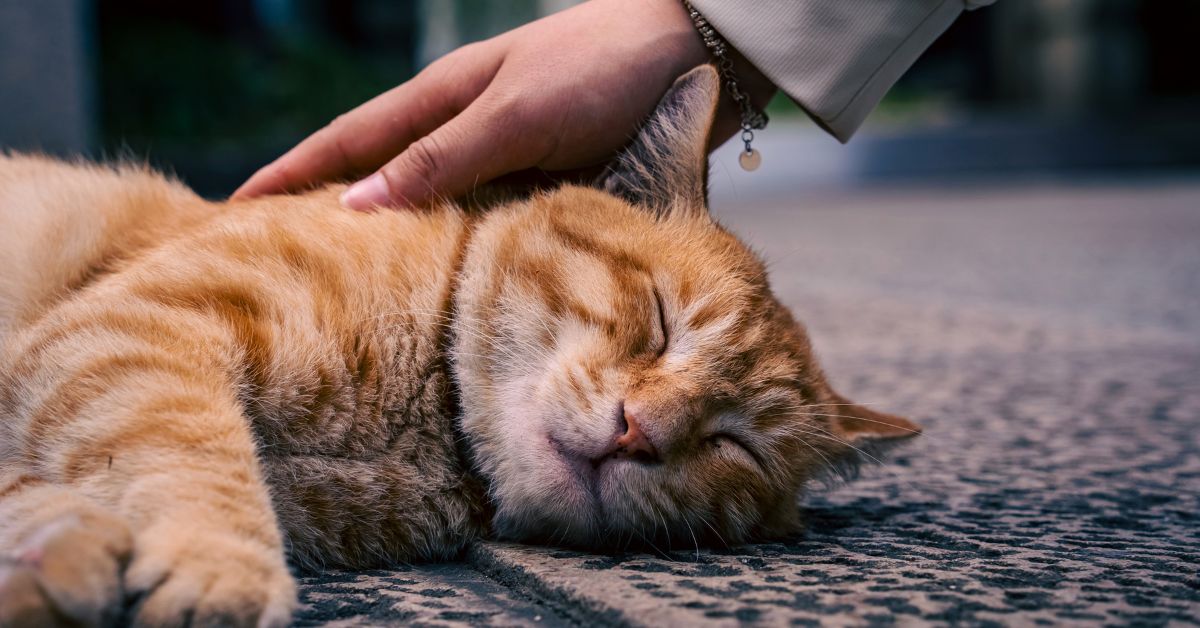
    • Extreme Lethargy & Unresponsiveness: Lying motionless, failing to react to family members, or hiding deep under furniture.
    • Laboured or Open-Mouth Breathing (Dyspnoea): Breathing with an open mouth, heavy abdominal lifting, or rapid, shallow gasps.
    • Severe Drop in Body Temperature (Hypothermia): Ears, paws, and tail feel noticeably cold to the touch as blood circulation slows down.
    • Total Inappetence & Dehydration: Complete refusal of food and water for more than 24–48 hours, leading to sunken eyes and skin that stays tented when lifted.


    Is It End-of-Life, or a Reversible Crisis?

    Many acute medical conditions mimic the final stages of life. Before assuming there is no hope, it is vital to rule out treatable conditions:

    1. Urethral Obstruction (Blocked Cat)

    Common in male cats, a physical plug in the urethra prevents urination. Within 24 hours, toxins and potassium build up in the bloodstream, causing collapse, slow heart rates, and low body temperature. Once unblocked, these cats can make a complete recovery.

    2. Acute Heatstroke & Tropical Dehydration

    In Malaysia’s hot and humid climate, heat exhaustion can rapidly cause panting, collapse, and weakness. Dehydration thickens the blood, accelerating organ distress in a way that looks like natural decline but responds dramatically to IV fluid therapy and cooling protocols.

    3. Feline Hypertrophic Cardiomyopathy (HCM) & Saddle Thrombus

    A heart condition can cause a sudden blood clot to lodge in the aortic junction, paralyzing the back legs and causing sudden crying and respiratory distress. Emergency intervention is critical to manage pain and circulation.

    4. Severe Anaemia or Diabetic Ketoacidosis

    Infections from blood parasites (Mycoplasma haemofelis), retroviruses (FeLV/FIV), or unregulated diabetes can cause a sudden crash that mimics dying, yet stabilizes with blood products, oxygen, and targeted medical care.

    Evaluating Quality of Life: The HHHHHMM Scale

    sign of cat dying

    When a cat truly does have an advanced, non-reversible condition, end-stage Chronic Kidney Disease, or terminal cancer, the goal shifts entirely to comfort and dignity. To help families make an unrushed, informed decision, we use the HHHHHMM Quality of Life Scale, developed by veterinary oncologist Dr. Alice Villalobos.

    Each of seven factors is scored from 1 to 10; a score above 5 in each, or an overall total above 35, generally suggests quality of life is still acceptable.

    1. Hurt: is pain well controlled, and is breathing comfortable?
    2. Hunger: can the cat eat willingly, or accept gentle hand-feeding without nausea?
    3. Hydration: is dehydration causing sluggishness or discomfort?
    4. Hygiene: can the cat stay clean and groomed, free of urine or faecal soiling?
    5. Happiness: does the cat still interact, purr, and respond or seem withdrawn and anxious?
    6. Mobility: can the cat get up, reach the litter box, and move without distress?
    7. More good days than bad: when the bad days start to outnumber the good, quality of life is slipping.


    Debunking Myths About Cat End-of-Life Care

    Myth 1: “My cat is hiding, so it wants to be left alone to die.”

    Fact: hiding is a response to pain, weakness and feeling vulnerable not a conscious wish to slip away. Leaving a sick cat tucked away without a vet check simply prolongs unmanaged suffering from dehydration, nausea or pain.

    Myth 2: “A natural death at home is always peaceful.”

    Fact: without medical support, an unmanaged natural death can involve breathing distress, seizures, or prolonged pain. Palliative veterinary care exists precisely to remove that distress.

    Myth 3: “Choosing euthanasia means giving up on my cat.”

    Fact: humane euthanasia is a compassionate medical act to prevent terminal suffering when recovery is no longer possible, a peaceful, pain-free passing, given with dignity. It is a final kindness, not a failure.

    What to Do If You Notice Critical Symptoms

    1. Keep them warm and calm. Wrap your cat in a soft, warm blanket. Do not force food or water, it can be aspirated into the lungs.
    2. Transport safely. Use a secure, padded carrier and keep the car quiet and comfortably cool.
    3. Get immediate evaluation. Call an emergency veterinary centre ahead so the team can have oxygen, warmth and diagnostics ready before you arrive.


    Our Experience at ExoCare Vet Medical Centre (Subang Jaya)

    According to ExoCare’s medical protocols, a collapsing cat is triaged immediately, because minutes can decide whether recovery is possible. Our clinical team has observed a painful pattern: many owners wait at home hoping a cat will “pull through,” only to lose a window in which the cat could have been saved or, just as sadly, could have been spared hours of avoidable suffering. Honesty, delivered with compassion, is what we owe every family.

    When a cat can be treated, we act decisively with fluids, warmth, pain control, and where sedation or procedures are needed, precision dosing and continuous monitoring during anaesthesia.

    When a cat cannot recover, we help families assess quality of life honestly, using structured measures of pain, appetite, hydration, mobility, and the balance of good days versus bad. Our role is not to push a single answer, but to give you the truth clearly enough to choose well for your cat.

    “Families do not need false hope, and they do not need to be told to give up too soon. They need the truth, delivered gently. I have seen ‘dying’ cats walk out days later, and I have helped others pass in peace when fighting on would only have meant suffering. Both are acts of care. If you are seeing these signs, please let us look — so your next decision is an informed one, not a guess made in fear.”

    — Dr. Asma Farihah (Lead Veterinarian & Co-Founder, ExoCare Vet Medical Centre)


    When to See a Vet? 

    sign of cat dying

    Seek veterinary care without delay if your cat shows any of these:

    • Collapse, inability to stand, or sudden paralysis of the back legs
    • Pale, white, grey, or bluish gums
    • Laboured, open-mouth, or irregular breathing
    • A body that feels cold, with total refusal of food and water
    • Seizures, unresponsiveness, or crying out in apparent pain

    Operating hours: ExoCare Vet Medical Centre is open Monday and Wednesday to Sunday, 11:00 AM – 7:00 PM, and closed on Tuesdays. For guidance on acting fast, see our resources on pet emergency symptoms you cannot ignore and the emergency vet in Subang Jaya.

    What to bring: your cat wrapped warmly in a secure carrier, any previous medical records, and a list of current medications. Keep the cat calm, warm, and quiet during transport, and do not force food or water.


    Frequently Asked Questions

    1. How do I know if my cat is truly dying or just very sick?

    Honestly, you often cannot tell at home and that is not a failing. Reversible emergencies such as a urinary blockage, heatstroke, or a heart crisis can look identical to end-of-life decline. A clinical examination with bloodwork and imaging is the only reliable way to know. When in doubt, have your cat assessed rather than assume the worst.

    2. How do vets decide it is time for euthanasia?

    We assess quality of life across pain, appetite, hydration, hygiene, mobility, and whether the cat still has more good days than bad. When suffering cannot be relieved and comfort is no longer possible, humane euthanasia prevents further pain. It is a shared, unrushed decision made with the family, not imposed on them.

    3. What does end-of-life or palliative care for a cat involve?

    For cats not being actively treated for cure, palliative care focuses on comfort: effective pain relief, fluids for hydration, warmth, and a calm environment. Diagnostic fees for the initial assessment are non-waivable, because an accurate picture is what allows us to keep your cat genuinely comfortable rather than guessing.


    Conclusion

    Seeing a sign of your cat dying is one of the hardest moments an owner can face and it deserves the truth, not a guess. Some of these signs mark a genuine end of life, where comfort and a peaceful passing become the kindest path. Many others are reversible emergencies where a cat can still recover. You should not have to carry that uncertainty alone.

    If your cat is showing these signs, contact ExoCare Vet Medical Centre in Subang Jaya now. Our expert clinical team will give you an honest, compassionate assessment and whether the answer is treatment or a gentle goodbye, your cat will be cared for with dignity.


    References

    VCA Animal Hospitals, “Quality of Life at the End of Life for Your Cat.” Accessed at: https://vcahospitals.com/know-your-pet/quality-of-life-at-the-end-of-life-for-your-cat

    Villalobos, A. E., “Quality of Life Scale (HHHHHMM Scale).” Accessed at: https://caringpathways.com/wp-content/uploads/2018/02/QualityofLifeScale.pdf

    Merck Veterinary Manual, “Providing a Good Death (Euthanasia) / End-of-Life Care.” Accessed at: https://www.merckvetmanual.com/

    Malaysian Veterinary Council (MVC). Accessed at: https://www.mvc.gov.my/

    Department of Veterinary Services Malaysia (DVS / Jabatan Veterinar). Accessed at: https://www.dvs.gov.my/


    This article has been medically reviewed based on clinical protocols by:

    Dr. Asma Fariha (MVC No. 3362) (Malaysian Veterinary Council).

    Senior Veterinary Specialist, ExoCare Vet Medical Centre, Subang Jaya.

    ExoCare is a referral veterinary medical center specializing in the medical, surgical, and critical care of small animals, exotic pets, avian species, reptiles, rodents, and amphibians in Malaysia.
    sign of cat dying

  • ExoCare’s Cat Blood Bank: How We Save Felines Save Lives

    ExoCare’s Cat Blood Bank: How We Save Felines Save Lives

    • A cat blood bank is a screened, typed supply of feline blood products such as whole blood, packed red cells & plasma.
    • Cats cannot receive human or canine blood, and there are no universal feline donors.
    • Feline blood is critically scarce in Malaysia; when a cat haemorrhages or crashes from severe anaemia, families are often told there is simply no blood available.
    • ExoCare runs a structured donor programme with rigorous health screening, blood typing & crossmatching to deliver safe transfusions.
    • If you have a healthy, calm cat, enrol as a donor or if your cat needs a transfusion, contact us today.

    Some of the hardest cases we handle at ExoCare arrive without warning. A cat is hit by a car on the way home, or an owner finds their pet suddenly weak with gums the colour of paper. In moments like these, medicine and fluids alone are not always enough. When a cat has lost a critical volume of red blood cells, what it needs is blood itself, and it needs it fast.

    That is the whole reason we run a feline blood donor programme at our centre in Subang Jaya. Finding blood in a cat’s vomit, stool or urine, or watching one bleed internally after trauma, is terrifying and in severe cases, from rat-poison toxicity to blood parasites, a cat’s red cell count can crash within hours.

    A ready pool of screened, typed and crossmatched donors is often the difference between a hopeless night and a cat that walks out a few days later.

    What is a Cat Blood Bank 

    A cat blood bank is far more than a fridge of stored blood. It is a clinical system for recruiting healthy feline donors, screening them for infectious disease, determining their blood type, collecting blood safely, and processing it into usable components.

    Those components include whole blood, packed red blood cells (concentrated oxygen-carrying cells for anaemic patients), and fresh frozen plasma (clotting factors and proteins for bleeding disorders and toxicities).

    The reason a dedicated feline supply matters comes down to species biology. A cat can only receive cat blood, never human or dog blood and unlike some species, cats possess naturally occurring alloantibodies. This means a mismatched transfusion can trigger a fatal reaction on the very first attempt.

    There is no such thing as a universal feline donor. A blood bank exists precisely to guarantee that the right blood, of the right type, is available at the right moment for your cat.


    Why Feline Blood Transfusions Demand Extreme Precision

    People sometimes assume a transfusion is a transfusion. In cats it is anything but. Feline circulatory physiology leaves almost no margin for error, and two facts in particular make the difference between saving a life and ending one.

    Cats Have No Universal Donor

    cat blood bank

    There is no feline equivalent of the universal O-negative donor. Cat blood falls into three types under the AB system:

    • Type A: by far the most common in domestic cats, and almost universal in Siamese and related breeds.
    • Type B: much less common overall, but concentrated in certain breeds like British Shorthair, Devon Rex, Cornish Rex, and Turkish Van and Angora cats can run above 30%.
    • Type AB: genuinely rare, carrying both A and B antigens.


    A Fatal Reaction Can Happen on the Very First Transfusion

    Here is what makes cats so unforgiving. They carry strong, naturally occurring alloantibodies against the blood type they do not have, present from kittenhood, with no prior exposure needed. A Type B cat has powerful anti-A antibodies.

    Give that cat Type A blood and its immune system attacks the transfused red cells on contact, triggering a severe, potentially fatal acute hemolytic reaction. As little as 1 mL of mismatched blood can cause serious clinical signs and this can happen on a cat’s very first transfusion.

    This is exactly why a proper blood bank never shortcuts the workup. We blood-type both patient and donor, and we crossmatch their samples directly against each other, before a single drop goes in.

    Also Read: What Happens During a Pet Blood Donation? Step-by-Step


    When Does a Cat Need the Blood Bank?

    cat blood bank

    Emergency transfusions come into play when a cat is losing blood fast or has become suddenly, severely anaemic. The causes I see most often are:

    • Toxin ingestion: anticoagulant rodenticides (rat poison) that disable normal blood clotting.
    • Trauma: massive internal or external blood loss after road accidents or high falls (common for outdoor cats).
    • Viral disease: advanced anaemia from Feline Leukaemia Virus (FeLV) or Feline Immunodeficiency Virus (FIV).
    • Blood-borne parasites: Mycoplasma haemofelis (feline infectious anaemia), spread by fleas in our warm climate, destroys red cells rapidly.
    • Heavy gastrointestinal or urinary bleeding: active blood in the stool (melena or haematochezia) or urine from severe ulceration, clotting disorders, or trauma.


    What Makes a Cat Eligible to Be a Blood Donor?

    cat blood bank

    To keep our stored blood safe and to protect our donors, we hold every candidate to strict screening. An ideal feline donor is:

    • Age & weight: between 1 and 8 years old, at least 4.5 kg of healthy lean body mass.
    • Lifestyle: fully vaccinated, indoor-only, and calm enough to donate with minimal stress.
    • Health status: free of infectious disease (FeLV/FIV negative) and vector-borne blood parasites.
    • Medical history: no previous blood transfusion.

    Every donor undergoes a full physical exam, a complete blood count (CBC), and a blood-parasite screen before we collect anything. The volume drawn is calculated from the cat’s body weight so that a healthy donor recovers smoothly and comfortably.


    Common Care Myths

    Common Myth The Clinical Fact
    There is a universal cat blood donor. No universal feline donor exists; typing and crossmatching are mandatory.
    Donation seriously weakens the donor cat. Volume is weight-calculated; healthy screened donors recover well.
    Only sick cats are involved with blood banks. Healthy, calm cats are the heroes, they are the donors.
    Human blood substitutes work fine for cats. Cats need typed feline blood products; substitutes are not equivalent.
    My indoor cat has nothing to offer. Indoor, vaccinated cats are often the best candidates.

    Our Experience at ExoCare Vet Medical Centre (Subang Jaya)

    According to ExoCare’s medical protocols, feline donors are typically calm, fully vaccinated indoor cats within a healthy weight and age range, screened clear of infectious disease.

    Where mild sedation is needed to keep a donor still and stress-free, we apply precision dosing and continuous cardiac monitoring during anaesthesia, the same critical-care standard we hold for every patient. Donor welfare is never traded for speed.

    Our clinical team has observed that many owners only learn a cat blood bank exists at the moment their own cat needs one, when it is almost too late to help. That is why we encourage enrolment while your cat is healthy, and why we treat baseline health screening at the first visit as foundational.

    Knowing a cat’s normal blood values and type in advance means we can act in seconds, not hours, when a crisis arrives.

    “Every feline blood donor in Malaysia is quietly saving a life most will never meet. The hardest conversation I have is telling a family we cannot find compatible blood in time. It is entirely preventable if you have a healthy, calm cat, please consider enrolling. One donation can rescue a cat bleeding out after an accident, and there is no substitute for it.”

    — Dr. Asma Farihah (Lead Veterinarian & Co-Founder, ExoCare Vet Medical Centre)


    Contact ExoCare Vet Medical Centre

    Having a registered pool of blood donors turns a hopeless crisis into a manageable recovery. If your cat is healthy and meets the criteria, enrolling them in a cat blood bank donor programme can help save a life in an emergency.

    Operating hours: ExoCare Vet Medical Centre is open Monday and Wednesday to Sunday, 11:00 AM – 7:00 PM, and closed on Tuesdays. 

    What to bring: for an emergency, your cat’s previous medical records (including any prior blood type on file) and a secure carrier. For donor enrolment, bring vaccination records and any history of past illness or travel.


    Frequently Asked Questions

    Is donating blood safe for my cat?

    Yes. Donation follows strict clinical protocols. The volume collected is calculated from your cat’s body weight, and donors are monitored closely before, during and after. Only healthy, screened cats within our criteria are accepted.

    Which cats can become blood donors?

    Ideal donors are healthy, calm, fully vaccinated indoor cats within a suitable weight and age range, with no history of prior transfusion and a clear infectious-disease screen. Final eligibility is confirmed only after a physical examination and laboratory testing. This screening is non-waivable, because it protects both the donor and the recipient.

    How do I know my cat’s blood type?

    A simple in-clinic blood-typing test tells us whether your cat is Type A, B or AB. Knowing this in advance is especially valuable for the higher-Type-B breeds, and it speeds up care enormously if an emergency ever arises.


    Conclusion

    A cat blood bank turns a helpless emergency into a survivable one. Because cats can only receive typed, compatible feline blood and because donors are scarce in Malaysia, every healthy enrolled cat strengthens a safety net that any feline family may one day depend on. ExoCare’s donor programme is built on rigorous screening, accurate typing, and careful collection, so that when a cat crashes, the right blood is ready.

    If your cat is healthy and calm, enrol in ExoCare’s cat blood bank donor programme today, or if your cat needs urgent care, contact ExoCare Vet Medical Centre in Subang Jaya now and let our expert clinical team act fast.


    References

    Merck Veterinary Manual, “Blood Groups and Blood Transfusions in Cats.” Accessed at: https://www.merckvetmanual.com/cat-owners/blood-disorders-of-cats/blood-groups-and-blood-transfusions-in-cats

    dvm360, “Feline blood types: What you need to know and why.” Accessed at: https://www.dvm360.com/view/feline-blood-types-what-you-need-know-and-why-proceedings

    American Veterinary Medical Association (AVMA), Pet Owner Resources. Accessed at: https://www.avma.org/resources-tools/pet-owners

    Malaysian Veterinary Council (MVC). Accessed at: https://www.mvc.gov.my/

    Department of Veterinary Services Malaysia (DVS / Jabatan Veterinar). Accessed at: https://www.dvs.gov.my/


    This article has been medically reviewed based on clinical protocols by:

    Dr. Asma Fariha (MVC No. 3362) (Malaysian Veterinary Council).

    Senior Veterinary Specialist, ExoCare Vet Medical Centre, Subang Jaya.

    ExoCare is a referral veterinary medical center specializing in the medical, surgical, and critical care of small animals, exotic pets, avian species, reptiles, rodents, and amphibians in Malaysia.

    cat blood bank

  • Spot Blood in Cat Urine? Dr. Asma Fariha Explains Your Next Steps

    Spot Blood in Cat Urine? Dr. Asma Fariha Explains Your Next Steps

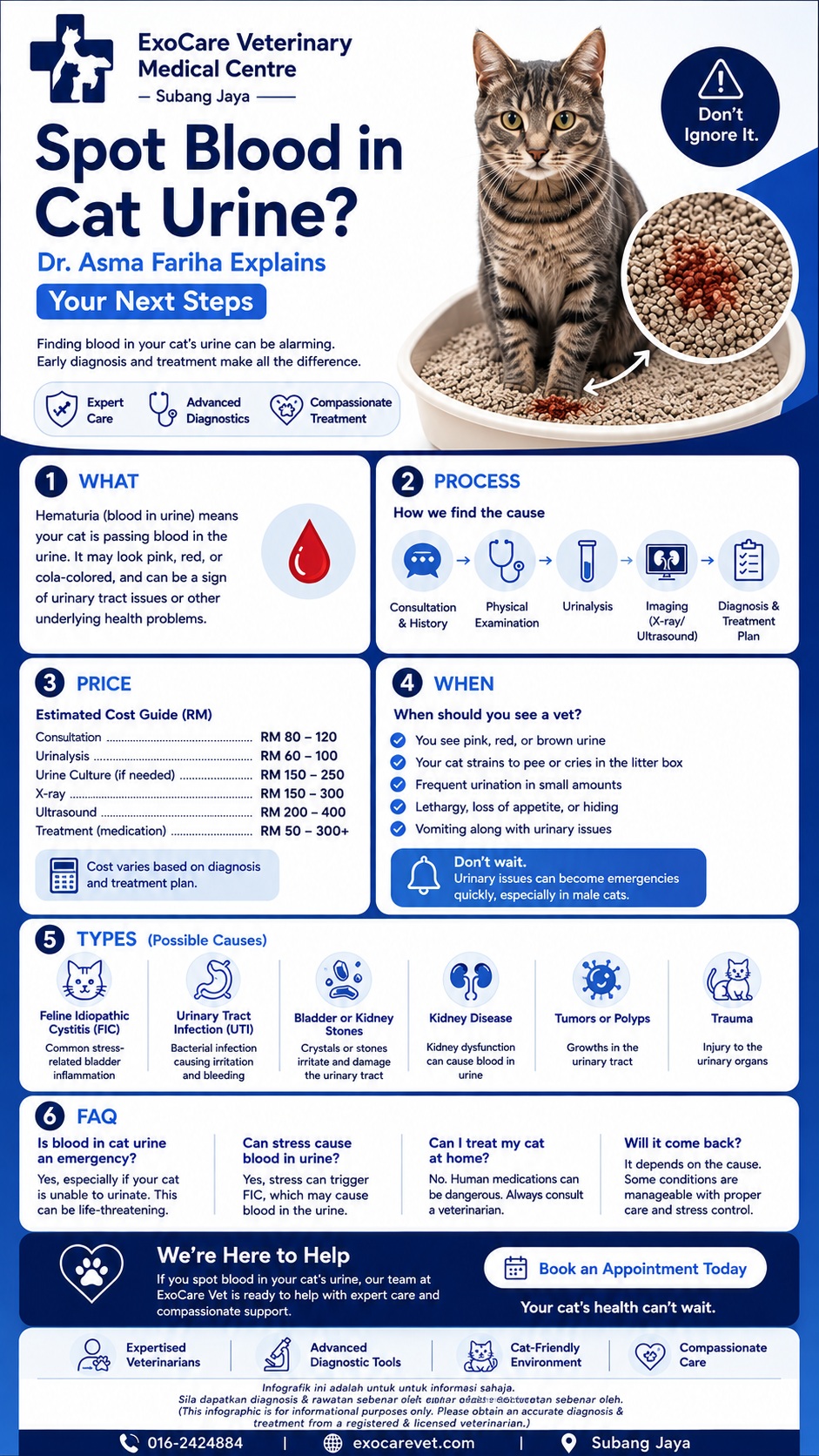
    • Blood in cat urine is visible pink, red, or brown urine or blood detected only under the microscope & it is a clinical sign.
    • This is most often signals Feline Lower Urinary Tract Disease (FLUTD) & in male cats it can precede a fatal urethral obstruction within 24–48 hours.
    • Owners frequently wait, assume it is a simple “infection,” or try human remedies.
    • Rapid clinical assessment with in-house urinalysis, digital radiography & ultrasound pinpoints the true cause.
    • If your cat is straining, crying in the litter box, or passing bloody urine, contact us immediately

    Few things send a cat owner into a panic faster than spotting blood in the litter box. I see it in the waiting room almost every week, someone holding a scoop of clumped litter with a pink stain, or describing dark reddish-brown drops they found on the cool bathroom tiles that morning.

    Whatever the shade, whether it is a faint tint or an actual clot, the message from your cat’s body is the same: something along the urinary tract is inflamed, irritated, or bleeding and it needs to be looked at properly.

    At ExoCare Vet Medical Centre in Subang Jaya, bloody urine is one of the most common reasons cats are rushed to us. Many owners arrive convinced their cat has a simple “urinary tract infection”, the way a person might. In cats, the reality is usually quite different and getting the diagnosis right is what separates a cat that recovers in days from one that ends up in an emergency.


    What Does Blood in Cat Urine Actually Mean?

    blood in cat urine

    In veterinary medicine we call blood in the urine haematuria. It is a symptom, not a diagnosis. It tells us there is a problem somewhere along the urinary tract, the bladder and urethra most often, but on its own it does not tell us why.

    In most cats, bloody urine shows up alongside a cluster of other lower urinary tract signs. When I take a history, these are the ones I ask about specifically:

    • Frequent tiny trips (pollakiuria): in and out of the box, passing only a few drops each time.
    • Vocalising or over-grooming: crying while trying to pass urine, or licking the genital area raw.
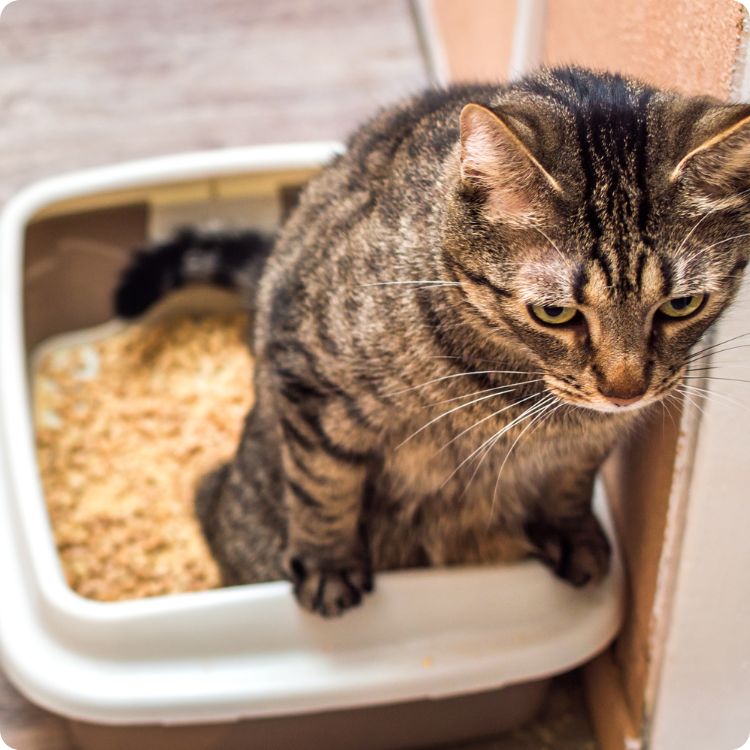
    • Straining to urinate (stranguria): long, uncomfortable sessions in the box with little to show for it.
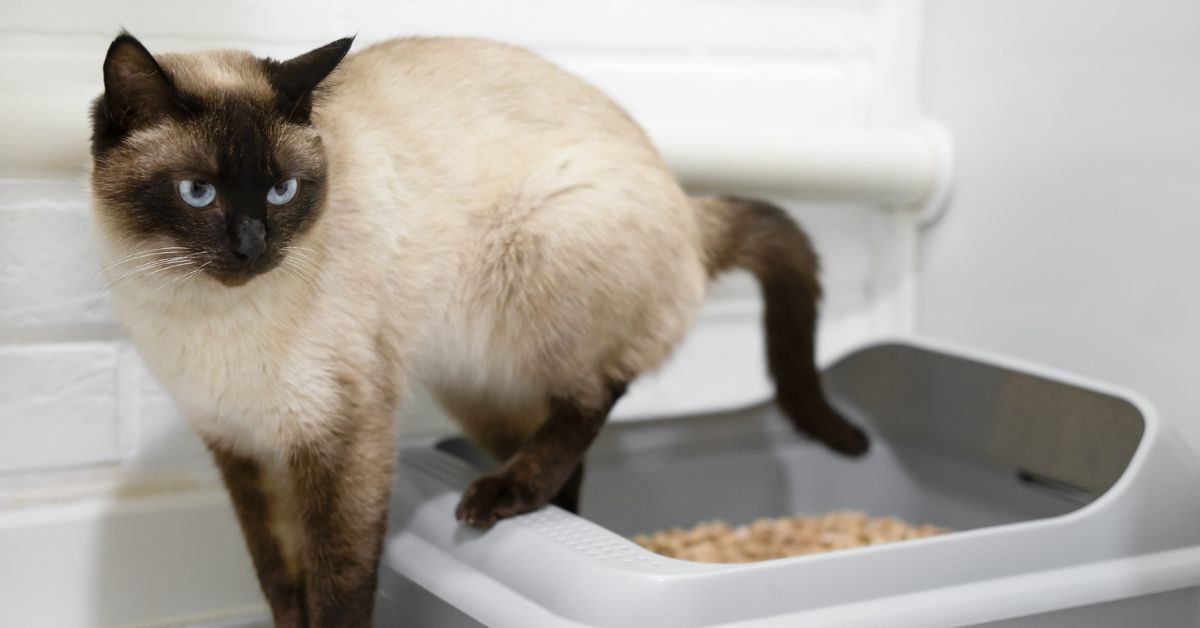
    • Going outside the box (periuria): seeking out cool, smooth surfaces likes tiles, the bathtub, a laundry basket.

    When these signs travel together, we group them under an umbrella term: Feline Lower Urinary Tract Disease (FLUTD). FLUTD is not one disease, it is a family of distinct bladder and urethral conditions that happen to look alike from the outside. That is exactly why we investigate rather than reach straight for antibiotics.


    Common Causes of Bloody Urine in Cats

    blood in cat urine

    To treat the problem, we first have to find what is irritating the bladder wall or urethra. These are the causes I see most often, roughly in order of frequency.

    1. Feline Idiopathic Cystitis (FIC)

    In cats under ten, FIC is the single most common cause of bloody urine, it accounts for well over half of all FLUTD cases in this age group. “Idiopathic” means the bladder is inflamed with no bacterial infection and no stone to blame.

    What we do know is that FIC is tightly linked to stress: a new pet, a house move, renovations, tension between cats in a shared home, or simply a cat that does not drink enough. In Malaysia, I often see flare-ups after the family travels for the holidays and the cat’s routine is upended.

    2. Bladder Stones (Urolithiasis)

    blood in cat urine

    Microscopic crystals in the urine can clump together over time into stones. The two we see most are struvite and calcium oxalate, together they make up the large majority of feline bladder stones. As these stones shift around inside the bladder, they scrape the delicate lining, and that abrasion is what turns the urine bloody.

    3. Urethral Obstruction 

    This is the one that keeps vets up at night, and it is almost always male cats. Their urethra is long and narrow, so crystals, mucus and inflammatory protein can weld together into a plug that blocks the flow completely. Once a cat is truly blocked, urine has nowhere to go.

    Waste products and potassium climb in the bloodstream, the kidneys begin to fail, and dangerously high potassium can throw the heart into a fatal rhythm.

    4. Bacterial Urinary Tract Infections (UTIs)

    blood in cat urine

    Here is where cats surprise people. A true, primary bacterial UTI is actually uncommon in young, otherwise healthy cats, it accounts for only a small fraction of FLUTD cases in that group.

    Bacterial infections become far more likely in senior cats (ten years and older) and in those with an underlying condition such as chronic kidney disease, diabetes, or hyperthyroidism. This is precisely why we do not hand out antibiotics on assumption: in a young cat, they usually treat nothing.

    How We Diagnose the Root Cause

    Because antibiotics will not calm a sterile inflammation or dissolve a stone, the diagnosis has to come first. Our workup is systematic, and we usually stage it based on how the cat presents on the day.

    Urinalysis and In-House Cytology

    We measure urine concentration (specific gravity) and pH, then put the sediment under the microscope to look for crystals, red blood cells and bacteria. This single test often points us in the right direction within minutes.

    Digital Radiography (X-rays)

    X-rays reveal dense bladder stones and let us assess the size and position of the bladder, important information if we suspect a blockage.

    Abdominal Ultrasound

    Ultrasound gives us a live view of the bladder wall thickness, blood clots, and any soft-tissue mass that an X-ray might miss entirely.

    Blood Biochemistry

    If a urethral obstruction is on the table, bloodwork is non-negotiable. It tells us how the kidneys are coping and, critically, whether potassium has risen to a level that threatens the heart.


    Prevention Care That Actually Work

    Active bleeding always needs a vet. But once your cat is stable, long-term care is mostly about protecting the bladder and a lot of it happens at home.

    • Get more water into them. Cats have a famously low thirst drive. Wet food and a pet water fountain both encourage drinking, which dilutes the urine and gives crystals less chance to form, especially useful in our hot, humid climate.
    • Lower the household stress. Keep routines predictable, provide enough scratching posts and hiding spots, and follow the litter-box rule: one more box than the number of cats (three boxes for two cats).
    • Do not self-medicate. Please skip the human urinary supplements and cranberry products. They do nothing for feline stones or blockages, and worse, they can delay the care your cat actually needs.


    Common Care Myths 

    “Blood in the urine is always a urinary tract infection.”

    In young cats, true bacterial UTI is actually rare. The majority of cases are sterile idiopathic cystitis, meaning antibiotics alone will not resolve the problem and may delay correct treatment.

    “My cat is just constipated, he keeps straining but nothing comes out.”

    A male cat straining with little or no urine is a medical emergency until proven otherwise. This is often urethral obstruction, not constipation, and it is fatal if untreated.

    “Only male cats get urinary problems.”

    Both sexes develop FLUTD and haematuria. Males are at higher risk of obstruction due to their narrower urethra, but females absolutely still develop cystitis and stones.

    Common Myth The Clinical Fact
    Blood in urine will clear up on its own. Underlying stones or obstruction worsen without treatment; delay can be fatal.
    A UTI is the usual cause. Sterile Feline Idiopathic Cystitis is the leading cause in cats under 10.
    Human cranberry or urinary supplements will fix it. These do not treat feline stones or obstruction and can mask worsening signs.
    Straining with no urine means constipation. In male cats this is often a life-threatening urethral blockage.
    Only overweight, older cats are affected. Stress-linked FIC frequently strikes young, indoor cats.

    Our Experience at ExoCare Vet Medical Centre (Subang Jaya)

    According to ExoCare’s medical protocols, a cat presenting with blood in the urine is triaged as urgent on arrival, and any male cat suspected of obstruction is treated as a critical emergency.

    Our clinical team has observed a recurring pattern: many owners wait until the cat has stopped urinating entirely and become lethargic before seeking help to the point at which kidney values and potassium are already dangerously high.

    Where obstruction is confirmed, we prioritise gentle decompression, intravenous fluid therapy to correct electrolyte imbalances, and pain management. For patients requiring sedation to place a urinary catheter, we use precision dosing and continuous cardiac monitoring during anaesthesia, because a compromised kidney patient tolerates far less margin for error.

    For recurrent idiopathic cystitis, our approach extends beyond the emergency, we build a long-term plan around hydration, diet, and stress reduction. This is also why we emphasise baseline health screening at a cat’s first visit: knowing a patient’s normal kidney values before a crisis lets us act decisively during one.

    “In Malaysia’s heat, I regularly see cats whose bloody urine was dismissed for days as a minor infection. By the time they reach us, a simple case of cystitis has sometimes become a blocked, azotaemic patient fighting for its life. Blood in the urine is your cat’s clearest cry for help and with a male cat straining to pass even a drop, you are counting hours, not days. Please do not wait it out.”

    — Dr. Asma Farihah (Lead Veterinarian & Co-Founder, ExoCare Vet Medical Centre)


    When to See a Vet? 

    Treat the following as emergency red flags and seek care immediately:

    • Straining in the litter box with little or no urine produced (especially male cats)
    • Crying or vocalising while attempting to urinate
    • Frequent trips to the litter box producing only drops of bloody urine
    • A firm, painful abdomen or a distended bladder
    • Lethargy, vomiting, refusing food, or hiding : signs the problem has become systemic (see our guide to pet emergency symptoms you cannot ignore)

    Operating hours: ExoCare Vet Medical Centre is open Monday and Wednesday to Sunday, 11:00 AM – 7:00 PM, and closed on Tuesdays.

    What to bring: your cat’s previous medical records, a secure carrier, and if you can safely collect one without delaying travel, a fresh urine sample. Do not withhold water from a cat you suspect is blocked.


    Frequently Asked Questions

    Is blood in cat urine always a medical emergency?

    Any blood in the urine warrants a prompt vet check. It becomes a same-day, life-threatening emergency when your cat particularly a male, is straining but unable to pass any urine, because that points to a urethral blockage.

    Can blood in cat urine clear up on its own?

    The signs of FIC can settle for a while, which is why owners sometimes think the problem has resolved. But the underlying inflammation or crystals are still there. Without addressing the root cause, flare-ups tend to return — often worse, and sometimes progressing to a dangerous blockage.

    My cat is drinking normally but there is still blood. Should I still come in?

    Yes. A cat that is still eating, drinking and passing urine is reassuring, but blood means the bladder or urethra is inflamed and we should find out why. Early evaluation is also the best way to catch a stone before it becomes a blockage.


    Conclusion

    Blood in your cat’s urine is one of the clearest warnings in feline medicine. It is never “just an infection” to wait out, and in Malaysia’s climate the risks compound quickly. The good news is that with sharp, on-site diagnostics such as urinalysis, digital radiography, ultrasound, and full bloodwork, the true cause can be identified fast, and your cat’s pain stopped safely.

    If you have spotted blood in your cat’s urine, or your cat is straining to urinate, do not wait for it to pass. Contact ExoCare Vet Medical Centre in Subang Jaya today and let our expert clinical team give your cat the precise, decisive care it needs.


    References

    Merck Veterinary Manual, “Lower Urinary Tract Disease in Cats.” Accessed at: https://www.merckvetmanual.com/urinary-system/noninfectious-diseases-of-the-urinary-system-in-small-animals/lower-urinary-tract-disease-in-cats

    American Veterinary Medical Association (AVMA), “Feline Lower Urinary Tract Disease (FLUTD).” Accessed at: https://www.avma.org/resources-tools/pet-owners/petcare/feline-lower-urinary-tract-disease

    Today’s Veterinary Practice, “Diagnosing and Managing Feline Lower Urinary Tract Disease.” Accessed at: https://todaysveterinarypractice.com/urology-renal-medicine/diagnosing-and-managing-feline-lower-urinary-tract-disease/

    Today’s Veterinary Practice, “Current Thoughts on Pathophysiology and Treatment of Feline Idiopathic Cystitis.” Accessed at: https://todaysveterinarypractice.com/urology-renal-medicine/current-thoughts-on-pathophysiology-treatment-of-feline-idiopathic-cystitis/

    Malaysian Veterinary Council (MVC). Accessed at: https://www.mvc.gov.my/

    Department of Veterinary Services Malaysia (DVS / Jabatan Veterinar). Accessed at: https://www.dvs.gov.my/


    This article has been medically reviewed based on clinical protocols by:

    Dr. Asma Fariha (MVC No. 3362) (Malaysian Veterinary Council).

    Senior Veterinary Specialist, ExoCare Vet Medical Centre, Subang Jaya.

    ExoCare is a referral veterinary medical center specializing in the medical, surgical, and critical care of small animals, exotic pets, avian species, reptiles, rodents, and amphibians in Malaysia.
    blood in cat urine