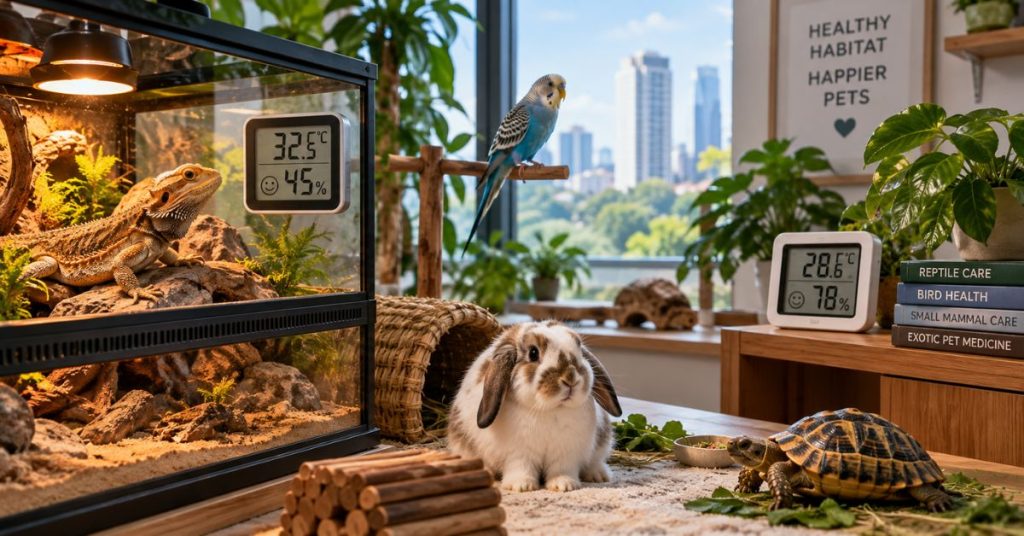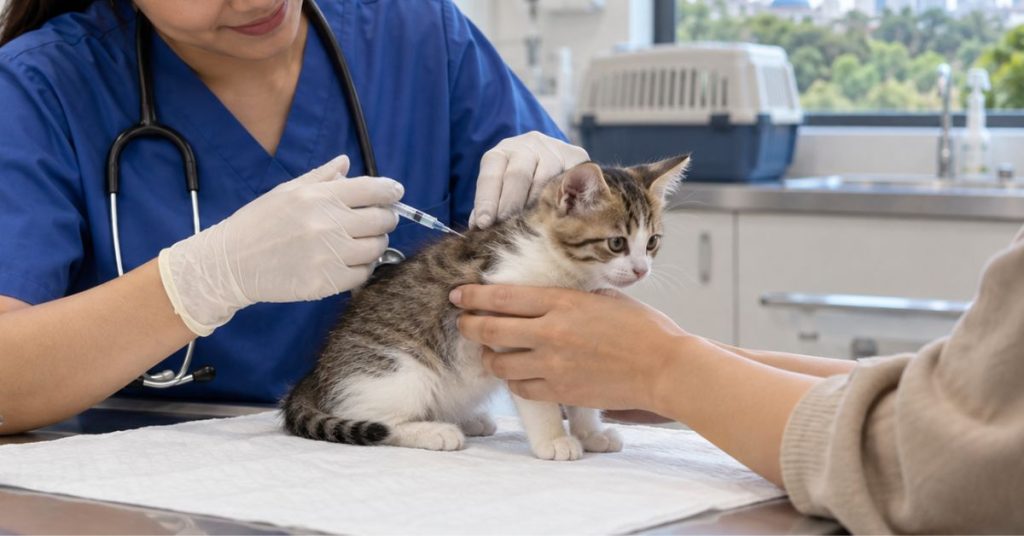

When I tell an owner their pet needs anaesthesia, the same fear usually crosses their face before they say it: what if he doesn’t wake up? It’s a reasonable worry. The honest answer is that modern veterinary anaesthesia is remarkably safe when properly planned, but the risk is not zero and it is not the same for every animal. Understanding where the risk actually comes from is what turns fear into informed confidence.
- A controlled, reversible loss of consciousness and pain sensation, a carefully titrated drug state, not “sleep.”
- The large peer-reviewed CEPSAF study puts anaesthetic-related death at roughly 1 in 1,849 for a healthy dog and 1 in 895 for a healthy cat. In sick animals it rises sharply, to about 1 in 75 (dogs) and 1 in 71 (cats).
- Risk climbs in sick, elderly, obese, or flat-faced pets, and is naturally higher in exotics like rabbits (≈1.39% mortality) whose bodies have almost no margin.
- Pre-anaesthetic bloodwork, ASA risk grading, precise weight-based dosing, airway control, active warming, and monitoring through recovery.
What anaesthesia actually is
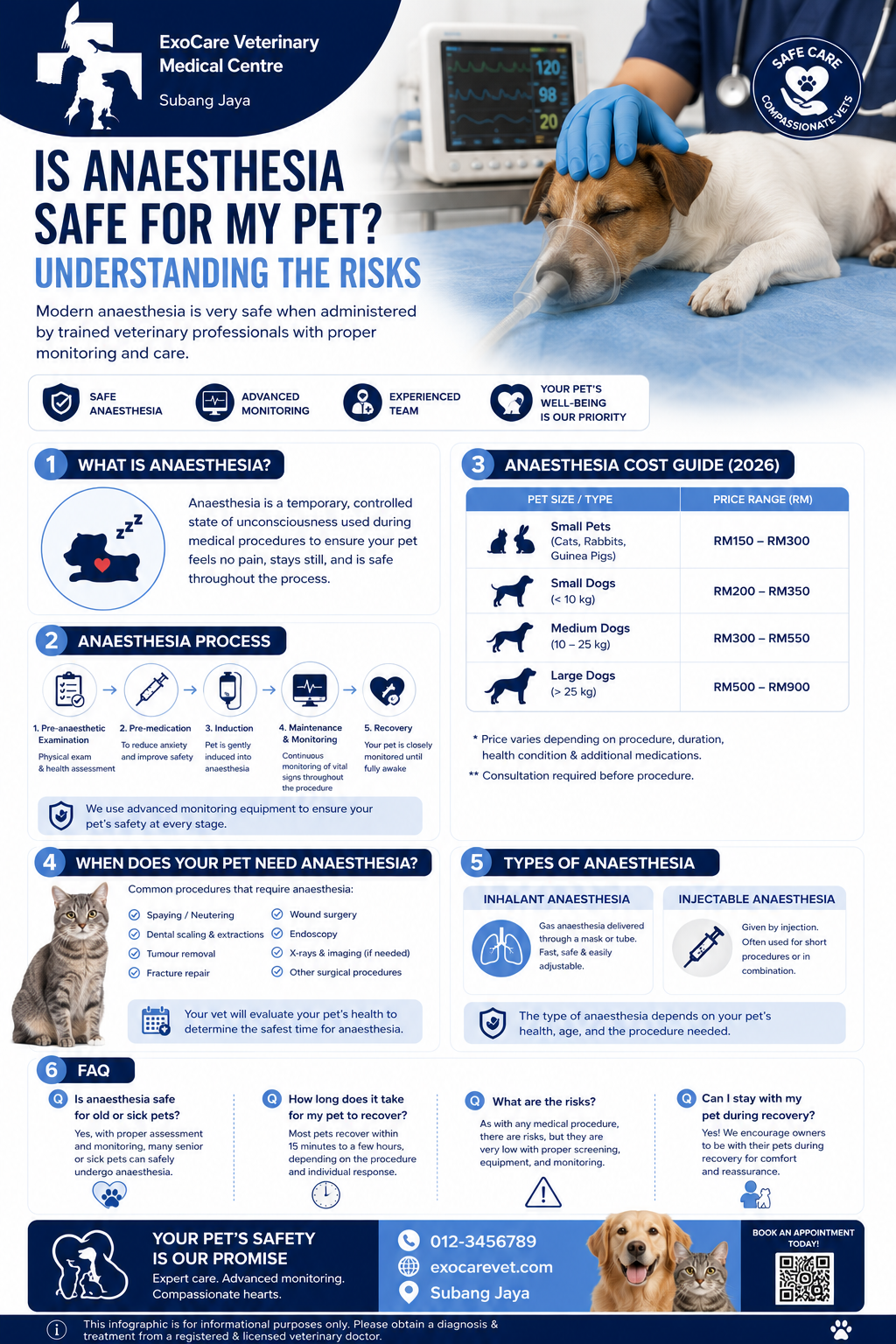
Anaesthesia holds three things at once, unconsciousness, loss of pain sensation, and muscle relaxation, inside a narrow window. Too light and the patient feels pain; too deep and blood pressure and breathing are dangerously suppressed. We distinguish sedation (depressed but rousable) from general anaesthesia (fully unconscious, with us controlling the airway).
A general anaesthetic runs through four phases, each with its own risks: pre-anaesthesia, induction, maintenance (an inhaled agent like isoflurane delivered through a breathing tube, adjustable breath by breath), and recovery. That’s why we monitor all four, not just the moment of going under.
The climate factor most protocols ignore
Once anaesthetised, an animal can’t regulate its own temperature, and the bigger threat isn’t overheating but hypothermia: a sedated patient can’t shiver, and heat drains fast into a cold table and an air-conditioned theatre even in the tropics. Hypothermia is one of the most common causes of anaesthetic death in small mammals, and a cold body clears drugs more slowly, prolonging recovery.
The opposite problem arrives at the door: patients already heat-stressed and dehydrated (common in flat-faced dogs and rabbits transported in hot cars) start with depleted reserves and less buffer against the blood-pressure dip anaesthetics cause. Humidity also raises hidden respiratory infection in rabbits and birds. So transport, hydration, and respiratory status factor into every assessment we do.
Where the danger actually lives
Complications rarely come from the drugs alone; they emerge from how the drugs meet an animal’s underlying condition. The liver metabolises most anaesthetic agents and the kidneys clear them, so undiagnosed liver or kidney disease lets drugs accumulate to over-deep levels. Heart disease, common and often silent in senior cats, limits the heart’s ability to compensate for the natural drop in blood pressure.
In exotics, anatomy compounds it: rabbits and rodents lose heat extremely fast, are obligate nasal breathers with delicate airways, and have a gut that can shut down (ileus) after minor stress, which is why rabbit peri-operative mortality (~1.39%) runs five to eight times higher than dogs and cats. The unifying, reassuring point: most anaesthetic deaths are preventable and trace to an unrecognised patient factor, not to anaesthesia being inherently unsafe.
Also Read: Pet Insurance & Vet Fees in Malaysia: What Owner Should Know
Catching risk before it happens
The most valuable safety step happens in the consult room, not theatre. A pre-anaesthetic work-up typically includes:
- Full serum biochemistry: liver enzymes, kidney values, protein, glucose; confirms the organs that process and clear the drugs work normally.
- Complete blood count: screens for anaemia, hidden infection, and low platelets (a bleeding risk).
- ASA grading (I–V): turns exam and bloodwork into a defined risk category that dictates the drug protocol and monitoring intensity.
- Imaging where indicated: X-ray and ultrasound catch heart enlargement, lung fluid, or abdominal disease a stethoscope can’t.
This isn’t an upsell. In one retrospective study, comprehensive pre-anaesthetic assessment led to about 16% of scheduled surgeries being postponed or cancelled after bloodwork or imaging revealed problems a physical exam had missed. Catching that before induction is the whole point.
The myths I hear most
| The myth | The clinical fact |
|---|---|
| “Healthy pets don’t need pre-anaesthetic bloodwork.” | It detects silent liver, kidney, and clotting problems that change drug handling and don’t show on exam, and sets a baseline. |
| “Old age makes anaesthesia unsafe.” | Age is a factor, not a contraindication. A managed senior is often at lower net risk than one left with an untreated painful condition. |
| “Small exotics just need a gas mask.” | Small size demands more precision. A dose trivial in a 20kg dog can be lethal in a 200g hamster; their risk is higher, not lower. |
| “Recovery is the safe part.” | The post-op period is the highest-risk window, behind most anaesthetic deaths in cats and rabbits. |
How we build safety into every phase
For exotics we use weight-based dosing calculated to the gram, because the tiny total volumes leave no room for the rounding that’s harmless in a large dog. Every general anaesthetic patient gets active thermal support against hypothermia. Throughout the procedure and into recovery we run continuous monitoring: capnography (to confirm the airway and ventilation), ECG, pulse oximetry, and blood pressure.
A senior cat once came in for a routine dental, and pre-anaesthetic bloodwork quietly flagged early kidney changes we’d never have caught on exam. We adjusted the fluids and drug choices around it, and the dental went ahead safely. Without that one test, the same anaesthetic could have gone very differently.
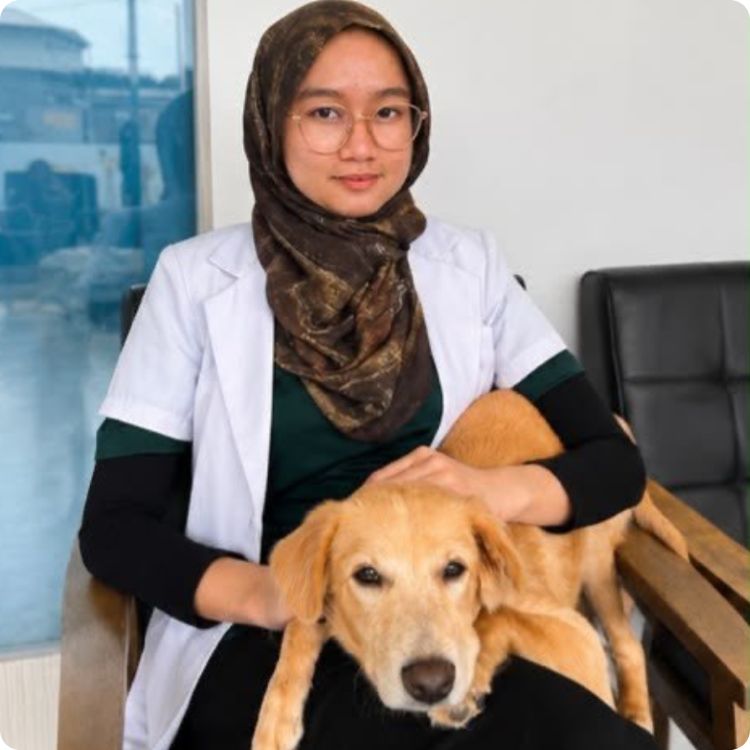
“Owners often ask me to promise anaesthesia is completely without risk. I won’t, because that would be dishonest. What I will promise is that the risk is understood, measured, and actively managed for every patient. The danger is almost never the drug itself, it’s the undiagnosed heart or kidney problem we didn’t look for. A safe anaesthetic is a planned anaesthetic.” — Dr. Asma Farihah
After the procedure: what to watch
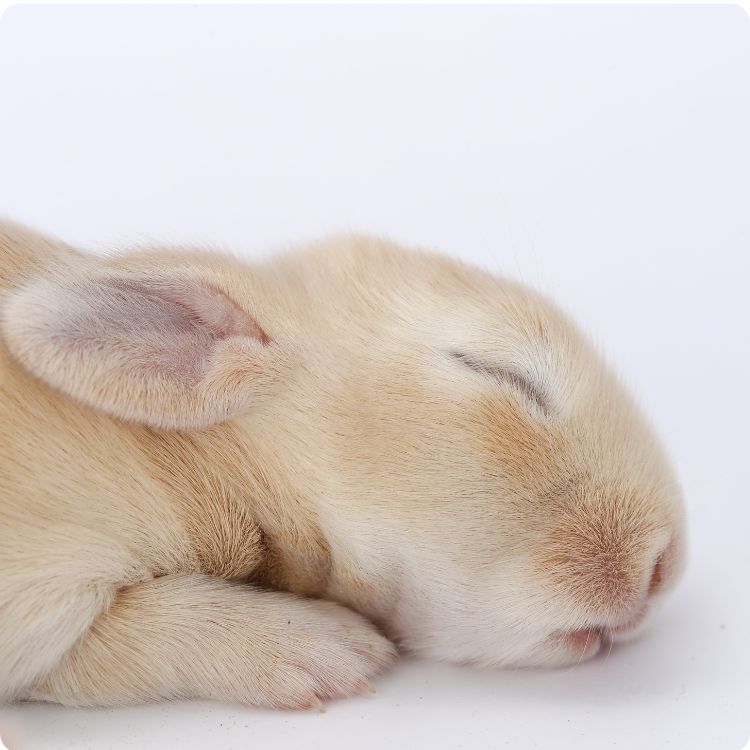
The recovery period at home is statistically the highest-risk window. Call urgently if you see:
- Failure to fully wake, or deep drowsiness hours after discharge (delayed drug clearance, low temperature, or low blood sugar).
- Pale, blue, or grey gums, or laboured, open-mouth breathing (inadequate oxygen, an immediate emergency).
- Repeated vomiting, or in rabbits/rodents, refusing to eat or pass droppings (gut stasis).
- Uncontrolled bleeding, swelling, or discharge from the surgical site.
- Collapse, seizures, or a body that feels abnormally cold.
Our hours: Monday, and Wednesday to Sunday, 11:00am–7:00pm. Closed Tuesdays. Bring previous records and prior bloodwork (for baseline comparison), your pet in a secure carrier, and for exotics a fresh faecal sample.
Conclusion
Modern veterinary anaesthesia is genuinely safe when it’s genuinely planned: assessed with bloodwork, graded with ASA, dosed with precision, warmed against hypothermia, and monitored from induction all the way through recovery. The numbers back this up, roughly 1 in 1,849 for a healthy dog and 1 in 895 for a healthy cat, and the rare tragedies almost always trace back to a patient factor nobody looked for, not to the drug itself.
Book a pre-anaesthetic consultation with our team at ExoCare Vet Medical Centre in Subang Jaya, and we’ll assess your pet’s age, species, and health, run the bloodwork, and build an anaesthetic protocol around your individual animal rather than a one-size-fits-all plan. Call us during our hours, Monday and Wednesday to Sunday, 11:00am–7:00pm (closed Tuesdays).
FAQ
How long does full recovery take?
Most healthy cats and dogs are alert within a few hours, but full drug clearance takes 24–48 hours, during which mild grogginess and reduced appetite are normal. Small mammals and seniors take longer. Keep your pet warm, quiet, and observed during this window.
Why is the bloodwork a separate charge, and is it compulsory?
It’s a safety requirement, because it determines whether a protocol is safe for your individual pet. It reflects real lab work that changes decisions, and in a meaningful share of cases uncovers a hidden problem. Skipping it removes the one check designed to catch a crisis first.
Is anaesthesia really riskier for my rabbit?
Yes, measurably. Rabbit anaesthetic-related death sits around 1.39%, several times higher than dogs and cats, driven by fast heat loss, sensitive airways, and a stress-sensitive gut. That’s why we apply species-specific dosing, warming, and intensive monitoring.
References
- Brodbelt DC, et al. The risk of death: the confidential enquiry into perioperative small animal fatalities (CEPSAF). Vet Anaesth Analg, 2008. https://pubmed.ncbi.nlm.nih.gov/18466167/
- Grubb T, et al. 2020 AAHA Anesthesia and Monitoring Guidelines for Dogs and Cats. https://www.aaha.org/resources/2020-aaha-anesthesia-and-monitoring-guidelines-for-dogs-and-cats/
- AVMA. AAHA updates guidelines on anesthesia for dogs and cats, 2020. https://www.avma.org/javma-news/2020-05-01/aaha-updates-guidelines-anesthesia-dogs-and-cats
- Influence of Comprehensive Pre-Anaesthetic Assessment on ASA Classification and Surgical Cancellations. PMC, 2025. https://www.ncbi.nlm.nih.gov/pmc/articles/PMC12298058/
- Malaysian Veterinary Council (MVC). https://www.mvc.gov.my/
This article has been medically reviewed based on clinical protocols by:
Dr. Asma Fariha (MVC No. 3362).
Senior Veterinary Specialist, ExoCare Vet Medical Centre, Subang Jaya.
ExoCare is a referral veterinary medical center specializing in the medical, surgical, and critical care of small animals, exotic pets, avian species, reptiles, rodents, and amphibians in Malaysia.