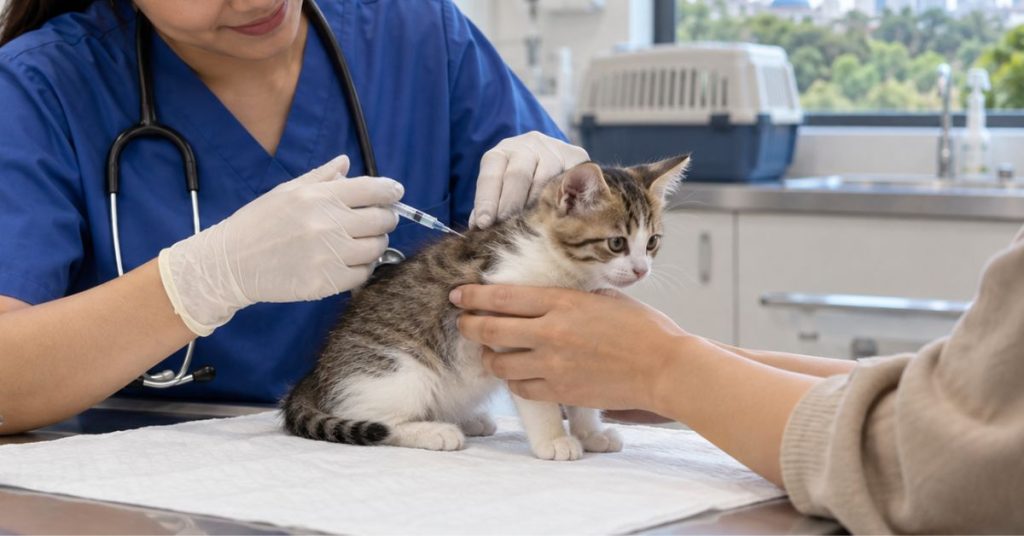

- A Malaysian owner’s guide to spaying (females) and neutering (males) cats, the best age, what it costs & how to manage recovery.
- Sterilisation prevents unwanted litters, reduces roaming and spraying, and lowers the risk of serious conditions like pyometra & mammary tumours.
- A cat can become pregnant before the traditional “6 months” mark, and delaying raises certain health risks.
- Current guidelines support spay/neuter by 5 months of age (“Fix by Five”), with a safe anaesthetic protocol and structured recovery.
- Book a pre-surgical consultation at ExoCare Vet Medical Centre, Subang Jaya, to plan your cat’s procedure safely.
Deciding to sterilize your cat is one of the most impactful choices you can make for their long-term health and wellbeing. Whether you have a playful young kitten or a newly adopted adult, having a neutered cat leads to a calmer, healthier pet while preventing unplanned litters.
Sterilization surgery is a routine, low-risk procedure when managed with proper pre-surgical care and modern anaesthetic monitoring.
What Do Spaying and Neutering Involve?
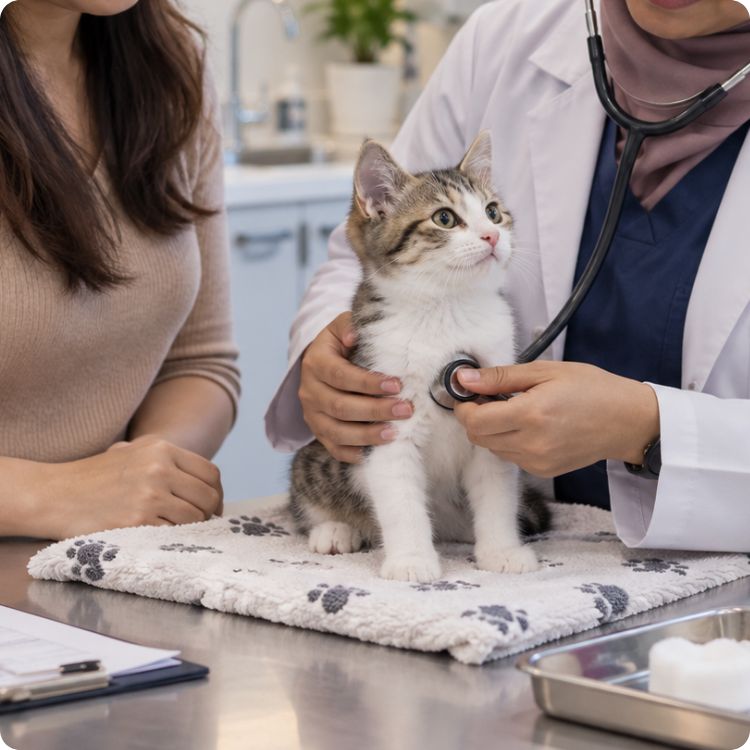
While often referred to under the general term “neutering,” the procedures differ between male and female cats:
-
Spaying (Female Cats): A minor abdominal soft-tissue surgery (ovariohysterectomy) to remove the ovaries and uterus. Spaying completely eliminates the risk of pyometra—a severe, life-threatening uterine infection and significantly reduces the risk of malignant mammary (breast) tumors.
-
Neutering / Castration (Male Cats): A quick, minimally invasive procedure to remove the testicles. A neutered cat is far less likely to spray urine indoors, roam away from home, fight with other neighborhood cats, or contract serious blood-borne viral infections like FeLV and FIV.
When Is the Best Age to Spay or Neuter Your Cat?

The traditional recommendation of waiting until six months of age has shifted in modern veterinary medicine. Major veterinary organizations now support the “Fix by Five” initiative, recommending sterilization before a cat reaches 5 months of age.
Why Sterilize Before 5 Months?
-
Prevents Early Pregnancies: Female cats can reach sexual maturity and become pregnant as early as 4 months old.
-
Maximizes Cancer Protection: Spaying before a female cat’s first heat cycle provides the highest level of protection against mammary cancer later in life.
-
Prevents Behavioral Issues: Neutering male kittens before they start spraying or territorial wandering helps prevent these habits from forming altogether.
Also Read: Cat Vaccination & FIP/FeLV Test: Schedule & Cost (Malaysia)
Managing Recovery in Malaysia’s Tropical Climate
Malaysia’s warm and humid environment requires a few extra precautions during the post-surgery healing phase:
-
Keep Recovery Indoors: Ambient humidity and dust can increase the risk of surgical site infections. Keep your recovering cat inside a clean, quiet, and well-ventilated room.
-
Prevent Wound Licking: Heat and humidity can make surgical incisions itchy. Always use an e-collar (recovery cone) or a surgical recovery suit for 10 to 14 days to prevent your cat from licking their stitches.
-
Limit Active Jumping: Keep your cat calm and prevent them from jumping on high furniture during the first few days to allow abdominal tissue to heal smoothly.
Addressing Anaesthesia Safety
It is completely natural for owners to feel nervous about general anaesthesia. Modern feline anaesthesia is exceptionally safe when supported by proper clinical protocols:
-
Pre-Surgical Health Screening: Bloodwork evaluates kidney and liver function prior to surgery to ensure your cat can process anaesthetic medications smoothly.
-
Tailored Anaesthetic Dosing: Doses are precisely calibrated to your cat’s weight and age.
-
Continuous Vital Monitoring: Heart rate, breathing, oxygen levels, and body temperature are monitored continuously throughout the procedure.
Debunking Common Myths About Sterilization
Myth 1: “Female cats should have one litter before being spayed.”
Fact: There is no medical or health benefit to letting a cat have a litter first. Spaying before the first heat cycle provides the strongest protection against uterine infection and mammary tumors.
Myth 2: “Neutering will automatically make my cat fat and lazy.”
Fact: While metabolic rate drops slightly after sterilization, weight gain is caused by overfeeding and lack of play. Adjusting food portions slightly keeps a neutered cat lean and energetic.
Myth 3: “Indoor cats do not need to be neutered.”
Fact: Indoor cats still experience heat cycles, vocal distress, territorial anxiety, and risks of reproductive diseases like pyometra. Sterilization keeps indoor pets comfortable and stress-free.
What to Expect Regarding Costs and Recovery
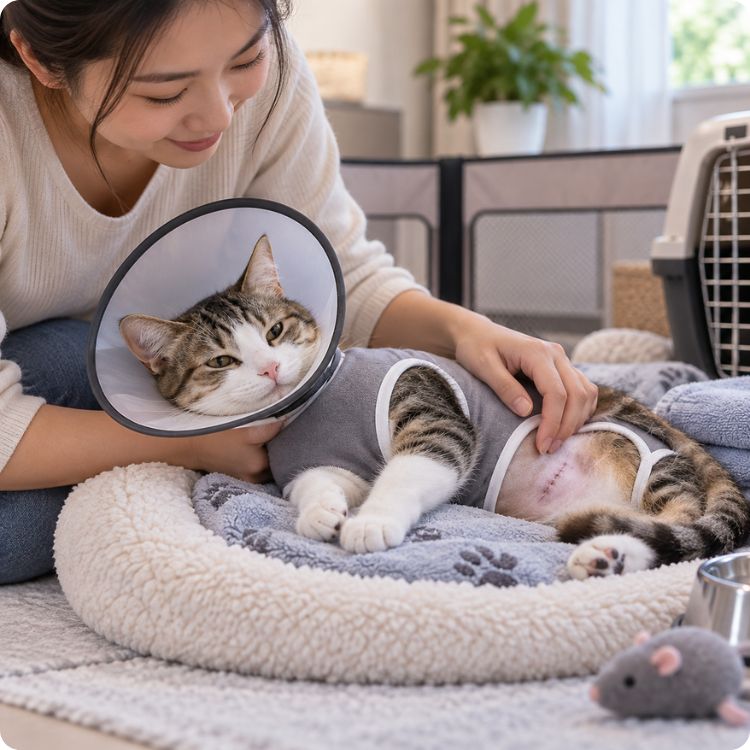
Sterilization costs in Malaysia vary depending on your cat’s gender (female spays involve abdominal surgery and are slightly more involved than male neuters), age, and whether pre-anaesthetic blood testing is included.
Post-Surgery Timeline:
-
First 24 to 48 Hours: Your cat may feel sleepy as the anaesthesia wears off. Offer small, light meals and keep them resting in a warm, quiet spot.
-
Days 3 to 7: Energy levels will return, but continue keeping them indoors and wearing their recovery cone. Check the incision daily to ensure it remains dry and clean.
-
Days 10 to 14: Final vet check-up for stitch inspection or removal (if non-absorbable sutures were used).
“I have operated on too many older unspayed cats with pyometra, a uterus full of infection, when a routine spay years earlier would have prevented it entirely. Fix by five months. With modern anaesthesia and continuous monitoring, the risk of a planned sterilisation is very low, and the lifelong benefits are substantial.”
— Dr. Asma Farihah (Senior Veterinary Specialist, ExoCare Vet Medical Centre)
When to Contact Your Vet During Recovery
Contact your veterinary clinic if you notice any of these recovery warning signs:
-
Redness, swelling, bleeding, or fluid discharge around the surgical incision.
-
Total refusal to eat or drink for more than 24 hours post-surgery.
-
Persistent vomiting, extreme lethargy, or pale gums.
-
Signs of unmanaged pain or an opened surgical wound.
ExoCare Vet Medical Centre (Subang Jaya)
-
Operating Hours: Monday & Wednesday – Sunday: 11:00 AM – 7:00 PM (Closed Tuesdays).
-
Location: Subang Jaya, Selangor.
-
What to Bring: Follow pre-surgical fasting instructions provided at booking, and transport your cat in a secure, comfortable carrier.
Frequently Asked Questions
How much does it cost to spay or neuter a cat in Malaysia?
Neutering a male is generally less expensive than spaying a female, because spaying is a more involved abdominal surgery. Total cost depends on the cat’s age and size, pre-anaesthetic blood work, pain medication and any recovery items. Some pre-surgical diagnostics carry non-waivable fees. Contact ExoCare reception for current price ranges so you can budget accurately before booking.
How long is the recovery after spaying or neutering?
Most cats are noticeably brighter within 24–48 hours. The incision typically needs about 10–14 days to heal, during which the cat should be kept calm, confined, and prevented from licking the wound with an e-collar or recovery suit. Neutered males usually recover faster than spayed females. Follow the recheck schedule we provide.
Is it safe to spay my cat during Malaysia’s hot season?
Yes, surgery is performed in a climate-controlled clinic. The climate matters mainly for recovery: keep your cat indoors in a cool, clean space, and monitor the incision closely, since heat and humidity can encourage wound interference and infection if hygiene lapses.
Conclusion
Spaying and neutering is one of the most valuable decisions you can make for your cat’s long-term health and behaviour and for reducing Malaysia’s population of unwanted kittens. Aim to fix by five months, choose a clinic with rigorous anaesthetic monitoring, and commit to a proper two-week recovery. If you are unsure about timing or anaesthesia for your individual cat, a pre-surgical consultation will give you clear, personalised answers.
References
AAHA, “The ‘Fix by Five’ Initiative: Feline Spay/Neuter by 5 Months of Age Becomes the Accepted Norm”. Accessed at: https://www.aaha.org/trends-magazine/publications/the-fix-by-five-initiative/
AAHA, “When Should I Spay or Neuter My Dog or Cat? Age & Timing Guide”. Accessed at: https://www.aaha.org/resources/spay-or-neuter/
United Spay Alliance / Feline Fix by Five, “At what age should I spay or neuter my cats?”. Accessed at: https://www.unitedspayalliance.org/feline-fix-by-five/get-involved/learning-library/at-what-age-should-i-spay-or-neuter-my-cats/
Malaysian Veterinary Council (MVC). Accessed at: https://www.mvc.gov.my/
This article has been medically reviewed based on clinical protocols by:
Dr. Asma Fariha (MVC No. 3362).
Senior Veterinary Specialist, ExoCare Vet Medical Centre, Subang Jaya.
ExoCare is a referral veterinary medical center specializing in the medical, surgical, and critical care of small animals, exotic pets, avian species, reptiles, rodents, and amphibians in Malaysia.