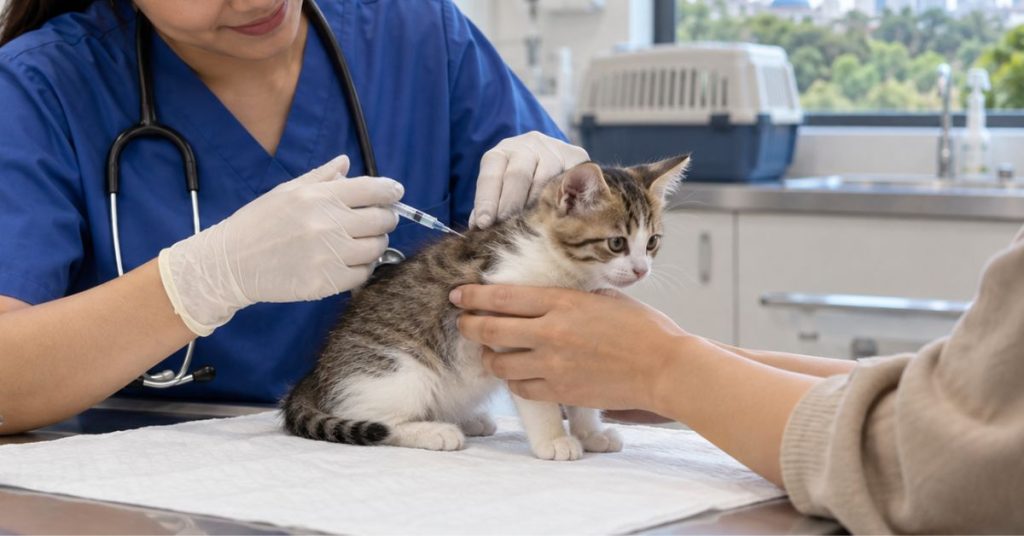

- A cat blood bank is a screened, typed supply of feline blood products such as whole blood, packed red cells & plasma.
- Cats cannot receive human or canine blood, and there are no universal feline donors.
- Feline blood is critically scarce in Malaysia; when a cat haemorrhages or crashes from severe anaemia, families are often told there is simply no blood available.
- ExoCare runs a structured donor programme with rigorous health screening, blood typing & crossmatching to deliver safe transfusions.
- If you have a healthy, calm cat, enrol as a donor or if your cat needs a transfusion, contact us today.
Some of the hardest cases we handle at ExoCare arrive without warning. A cat is hit by a car on the way home, or an owner finds their pet suddenly weak with gums the colour of paper. In moments like these, medicine and fluids alone are not always enough. When a cat has lost a critical volume of red blood cells, what it needs is blood itself, and it needs it fast.
That is the whole reason we run a feline blood donor programme at our centre in Subang Jaya. Finding blood in a cat’s vomit, stool or urine, or watching one bleed internally after trauma, is terrifying and in severe cases, from rat-poison toxicity to blood parasites, a cat’s red cell count can crash within hours.
A ready pool of screened, typed and crossmatched donors is often the difference between a hopeless night and a cat that walks out a few days later.
What is a Cat Blood Bank
A cat blood bank is far more than a fridge of stored blood. It is a clinical system for recruiting healthy feline donors, screening them for infectious disease, determining their blood type, collecting blood safely, and processing it into usable components.
Those components include whole blood, packed red blood cells (concentrated oxygen-carrying cells for anaemic patients), and fresh frozen plasma (clotting factors and proteins for bleeding disorders and toxicities).
The reason a dedicated feline supply matters comes down to species biology. A cat can only receive cat blood, never human or dog blood and unlike some species, cats possess naturally occurring alloantibodies. This means a mismatched transfusion can trigger a fatal reaction on the very first attempt.
There is no such thing as a universal feline donor. A blood bank exists precisely to guarantee that the right blood, of the right type, is available at the right moment for your cat.
Why Feline Blood Transfusions Demand Extreme Precision
People sometimes assume a transfusion is a transfusion. In cats it is anything but. Feline circulatory physiology leaves almost no margin for error, and two facts in particular make the difference between saving a life and ending one.
Cats Have No Universal Donor
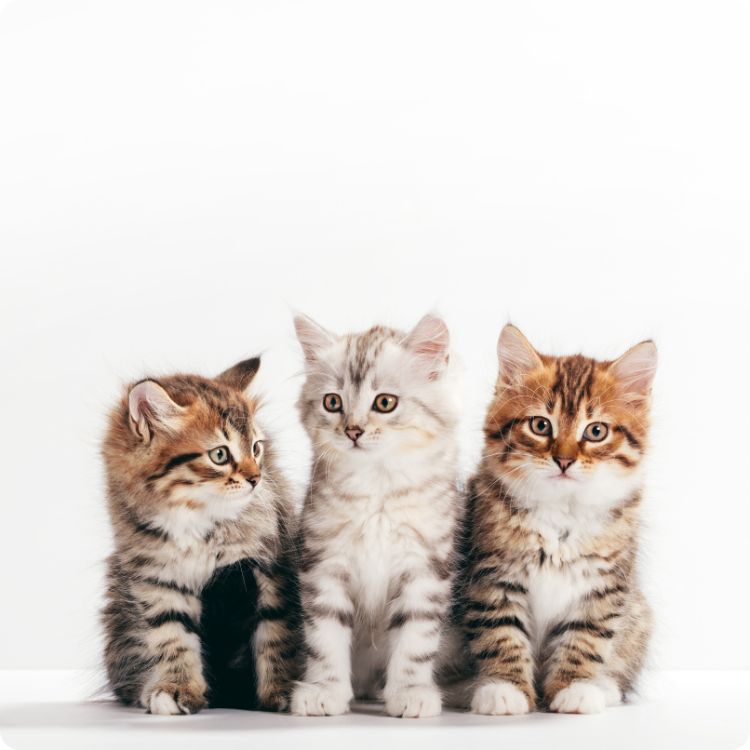
There is no feline equivalent of the universal O-negative donor. Cat blood falls into three types under the AB system:
- Type A: by far the most common in domestic cats, and almost universal in Siamese and related breeds.
- Type B: much less common overall, but concentrated in certain breeds like British Shorthair, Devon Rex, Cornish Rex, and Turkish Van and Angora cats can run above 30%.
- Type AB: genuinely rare, carrying both A and B antigens.
A Fatal Reaction Can Happen on the Very First Transfusion
Here is what makes cats so unforgiving. They carry strong, naturally occurring alloantibodies against the blood type they do not have, present from kittenhood, with no prior exposure needed. A Type B cat has powerful anti-A antibodies.
Give that cat Type A blood and its immune system attacks the transfused red cells on contact, triggering a severe, potentially fatal acute hemolytic reaction. As little as 1 mL of mismatched blood can cause serious clinical signs and this can happen on a cat’s very first transfusion.
This is exactly why a proper blood bank never shortcuts the workup. We blood-type both patient and donor, and we crossmatch their samples directly against each other, before a single drop goes in.
Also Read: What Happens During a Pet Blood Donation? Step-by-Step
When Does a Cat Need the Blood Bank?
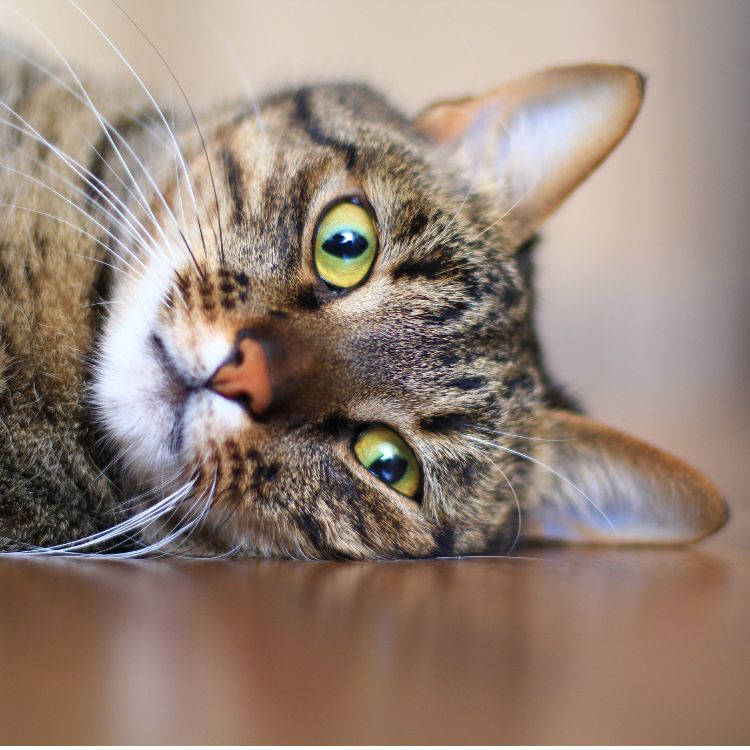
Emergency transfusions come into play when a cat is losing blood fast or has become suddenly, severely anaemic. The causes I see most often are:
- Toxin ingestion: anticoagulant rodenticides (rat poison) that disable normal blood clotting.
- Trauma: massive internal or external blood loss after road accidents or high falls (common for outdoor cats).
- Viral disease: advanced anaemia from Feline Leukaemia Virus (FeLV) or Feline Immunodeficiency Virus (FIV).
- Blood-borne parasites: Mycoplasma haemofelis (feline infectious anaemia), spread by fleas in our warm climate, destroys red cells rapidly.
- Heavy gastrointestinal or urinary bleeding: active blood in the stool (melena or haematochezia) or urine from severe ulceration, clotting disorders, or trauma.
What Makes a Cat Eligible to Be a Blood Donor?

To keep our stored blood safe and to protect our donors, we hold every candidate to strict screening. An ideal feline donor is:
- Age & weight: between 1 and 8 years old, at least 4.5 kg of healthy lean body mass.
- Lifestyle: fully vaccinated, indoor-only, and calm enough to donate with minimal stress.
- Health status: free of infectious disease (FeLV/FIV negative) and vector-borne blood parasites.
- Medical history: no previous blood transfusion.
Every donor undergoes a full physical exam, a complete blood count (CBC), and a blood-parasite screen before we collect anything. The volume drawn is calculated from the cat’s body weight so that a healthy donor recovers smoothly and comfortably.
Common Care Myths
| Common Myth | The Clinical Fact |
|---|---|
| There is a universal cat blood donor. | No universal feline donor exists; typing and crossmatching are mandatory. |
| Donation seriously weakens the donor cat. | Volume is weight-calculated; healthy screened donors recover well. |
| Only sick cats are involved with blood banks. | Healthy, calm cats are the heroes, they are the donors. |
| Human blood substitutes work fine for cats. | Cats need typed feline blood products; substitutes are not equivalent. |
| My indoor cat has nothing to offer. | Indoor, vaccinated cats are often the best candidates. |
Our Experience at ExoCare Vet Medical Centre (Subang Jaya)
According to ExoCare’s medical protocols, feline donors are typically calm, fully vaccinated indoor cats within a healthy weight and age range, screened clear of infectious disease.
Where mild sedation is needed to keep a donor still and stress-free, we apply precision dosing and continuous cardiac monitoring during anaesthesia, the same critical-care standard we hold for every patient. Donor welfare is never traded for speed.
Our clinical team has observed that many owners only learn a cat blood bank exists at the moment their own cat needs one, when it is almost too late to help. That is why we encourage enrolment while your cat is healthy, and why we treat baseline health screening at the first visit as foundational.
Knowing a cat’s normal blood values and type in advance means we can act in seconds, not hours, when a crisis arrives.
“Every feline blood donor in Malaysia is quietly saving a life most will never meet. The hardest conversation I have is telling a family we cannot find compatible blood in time. It is entirely preventable if you have a healthy, calm cat, please consider enrolling. One donation can rescue a cat bleeding out after an accident, and there is no substitute for it.”
— Dr. Asma Farihah (Lead Veterinarian & Co-Founder, ExoCare Vet Medical Centre)
Contact ExoCare Vet Medical Centre
Having a registered pool of blood donors turns a hopeless crisis into a manageable recovery. If your cat is healthy and meets the criteria, enrolling them in a cat blood bank donor programme can help save a life in an emergency.
Operating hours: ExoCare Vet Medical Centre is open Monday and Wednesday to Sunday, 11:00 AM – 7:00 PM, and closed on Tuesdays.
What to bring: for an emergency, your cat’s previous medical records (including any prior blood type on file) and a secure carrier. For donor enrolment, bring vaccination records and any history of past illness or travel.
Frequently Asked Questions
Is donating blood safe for my cat?
Yes. Donation follows strict clinical protocols. The volume collected is calculated from your cat’s body weight, and donors are monitored closely before, during and after. Only healthy, screened cats within our criteria are accepted.
Which cats can become blood donors?
Ideal donors are healthy, calm, fully vaccinated indoor cats within a suitable weight and age range, with no history of prior transfusion and a clear infectious-disease screen. Final eligibility is confirmed only after a physical examination and laboratory testing. This screening is non-waivable, because it protects both the donor and the recipient.
How do I know my cat’s blood type?
A simple in-clinic blood-typing test tells us whether your cat is Type A, B or AB. Knowing this in advance is especially valuable for the higher-Type-B breeds, and it speeds up care enormously if an emergency ever arises.
Conclusion
A cat blood bank turns a helpless emergency into a survivable one. Because cats can only receive typed, compatible feline blood and because donors are scarce in Malaysia, every healthy enrolled cat strengthens a safety net that any feline family may one day depend on. ExoCare’s donor programme is built on rigorous screening, accurate typing, and careful collection, so that when a cat crashes, the right blood is ready.
If your cat is healthy and calm, enrol in ExoCare’s cat blood bank donor programme today, or if your cat needs urgent care, contact ExoCare Vet Medical Centre in Subang Jaya now and let our expert clinical team act fast.
References
Merck Veterinary Manual, “Blood Groups and Blood Transfusions in Cats.” Accessed at: https://www.merckvetmanual.com/cat-owners/blood-disorders-of-cats/blood-groups-and-blood-transfusions-in-cats
dvm360, “Feline blood types: What you need to know and why.” Accessed at: https://www.dvm360.com/view/feline-blood-types-what-you-need-know-and-why-proceedings
American Veterinary Medical Association (AVMA), Pet Owner Resources. Accessed at: https://www.avma.org/resources-tools/pet-owners
Malaysian Veterinary Council (MVC). Accessed at: https://www.mvc.gov.my/
Department of Veterinary Services Malaysia (DVS / Jabatan Veterinar). Accessed at: https://www.dvs.gov.my/
This article has been medically reviewed based on clinical protocols by:
Dr. Asma Fariha (MVC No. 3362) (Malaysian Veterinary Council).
Senior Veterinary Specialist, ExoCare Vet Medical Centre, Subang Jaya.
ExoCare is a referral veterinary medical center specializing in the medical, surgical, and critical care of small animals, exotic pets, avian species, reptiles, rodents, and amphibians in Malaysia.