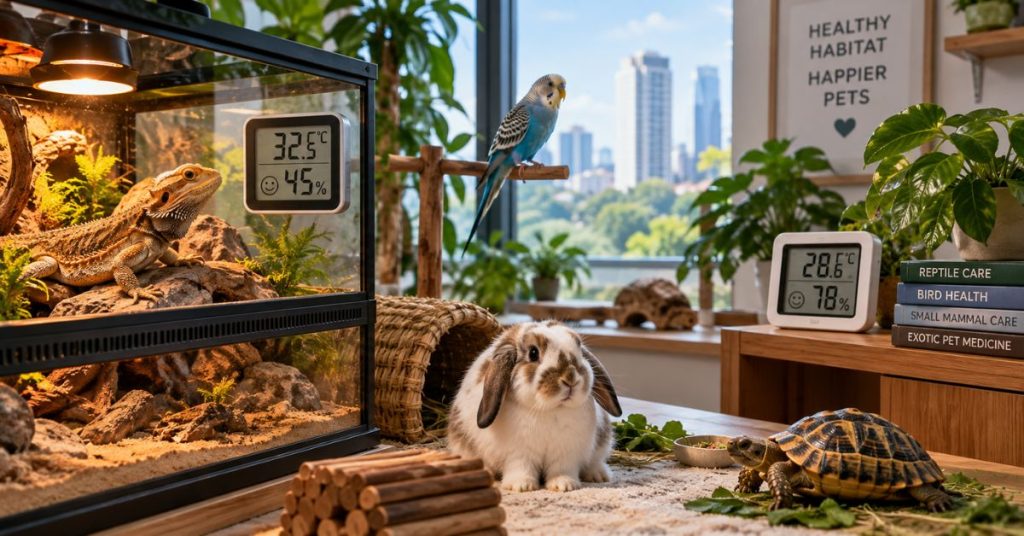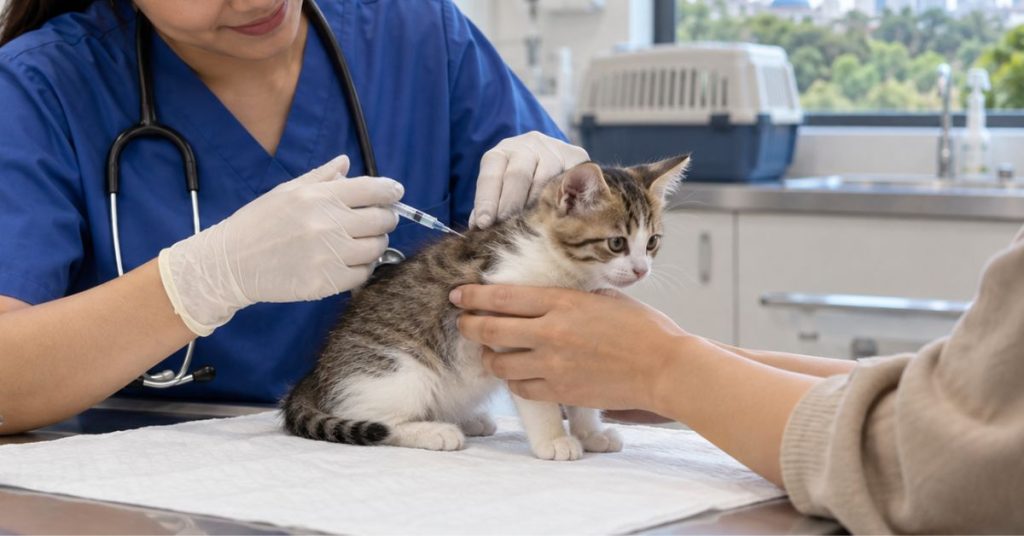

- A clinical guide to protecting exotic pets such as reptiles, birds, small mammals from Malaysia’s persistent heat and humidity.
- Heatstroke and humidity-driven respiratory and skin infections are among the most common climate-related emergencies our team treats.
- A home comfortable for humans can be lethal for a rabbit, or too humid for a desert reptile and prey species hide the early warning signs.
- Match each species’ thermal gradient and humidity range precisely, control airflow and cooling, and monitor with instruments, not guesswork.
- If your exotic pet shows any sign of heat stress or breathing difficulty, contact ExoCare Vet Medical Centre, Subang Jaya, immediately.
For conventional pets like dogs and cats, maintaining good health usually revolves around vaccinations, nutrition, and routine check-ups. However, keeping exotic pets healthy requires something more fundamental: precise control over their daily habitat and microclimate.
Reptiles, birds, rabbits, and small rodents are sensitive to subtle changes in their environment. In Malaysia, where ambient temperatures frequently reach 30–35°C and humidity sits between 70% and 90%, managing temperature, airflow, and moisture levels is the single most important part of caring for exotic pets.
Why Climate Control Is Critical for Exotic Pets
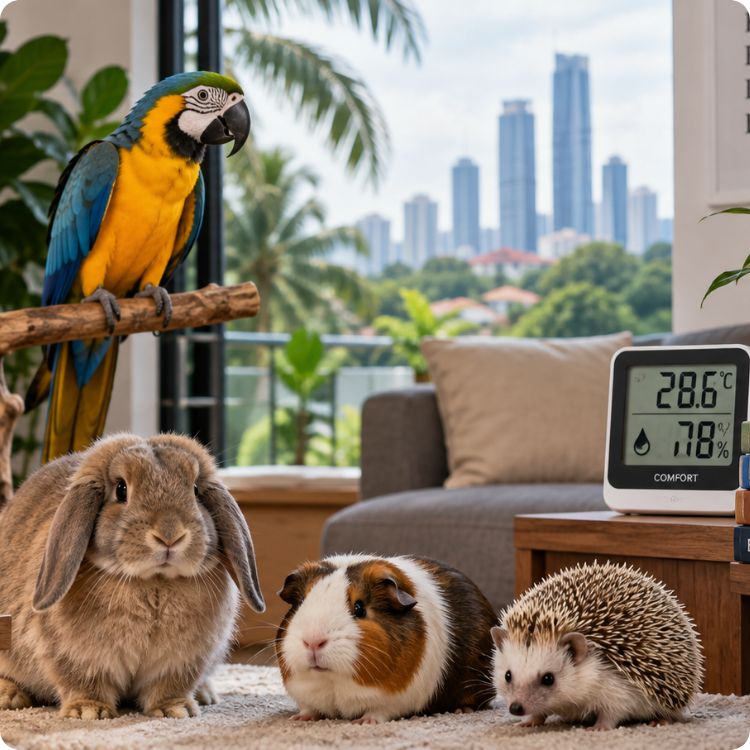
Every species of exotic pet has evolved to thrive in specific environmental conditions:
-
Reptiles (Ectothermic): Reptiles rely entirely on external heat to drive their metabolism, digestion, and immune system. Without a proper warm-to-cool heat gradient, their bodies cannot digest food or fight off illnesses effectively.
-
Birds (Sensitive Respiratory Systems): Birds possess air sacs alongside their lungs, making their breathing remarkably efficient but also extremely sensitive to airborne mold, bacteria, and heat stress.
-
Small Mammals (Low Heat Tolerance): Rabbits and guinea pigs cannot sweat efficiently to cool down. They rely mainly on their ears and shallow breathing to dissipate body heat, making them highly vulnerable to heatstroke in humid weather.
Key Climate Risks in Malaysia’s Tropical Weather
Operating an enclosure in a tropical country creates three main clinical challenges that every owner of exotic pets should monitor:
Emergency Heatstroke (Hyperthermia)
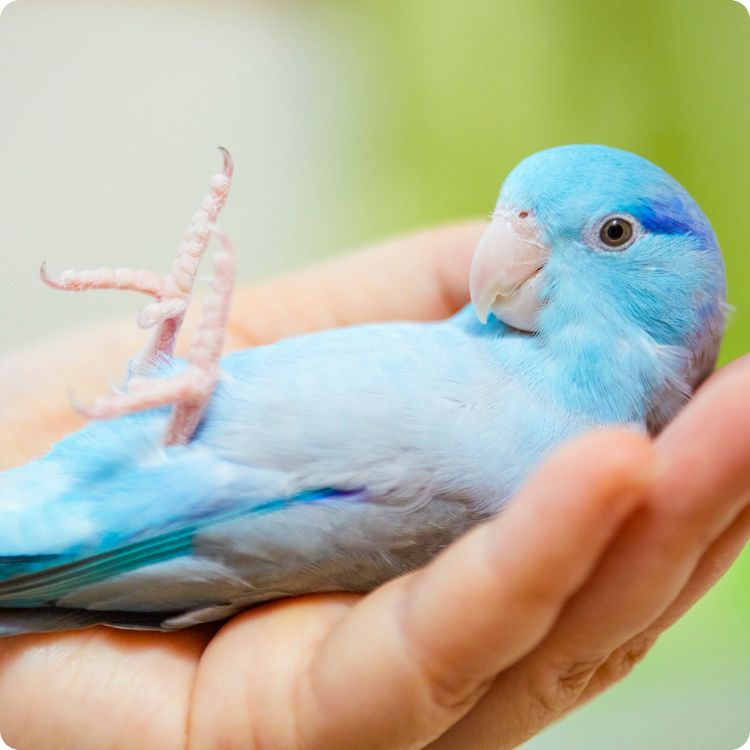
Heatstroke is a life-threatening medical emergency. For rabbits and guinea pigs housed in warm, poorly ventilated rooms during hot afternoons, body temperatures can rise to dangerous levels within hours.
Warning signs include:
-
Rapid, heavy, or open-mouth breathing.
-
Drooling and weakness.
-
Lying flat and unresponsive on the enclosure floor.
-
Wings held wide away from the body or panting (in birds).
Humidity-Driven Respiratory Infections
While tropical species appreciate high moisture, persistent high humidity paired with poor ventilation creates an ideal environment for bacteria and mold to grow. Inhaling mold spores (Aspergillus) leads to serious fungal respiratory infections in birds and reptiles.
Skin and Shell Issues in Reptiles
Humidity must match the specific species, not just the local weather:
-
Too Moist for Arid Species: Desert reptiles (like bearded dragons or leopard geckos) kept in high humidity can develop scale rot, a severe bacterial skin infection.
-
Too Dry for Tropical Species: Tropical reptiles (like crested geckos or rain-forest tortoises) kept in dry air experience dysecdysis (retained shed skin), which can constrict around toes and tail tips.
Creating the Right Home Setup
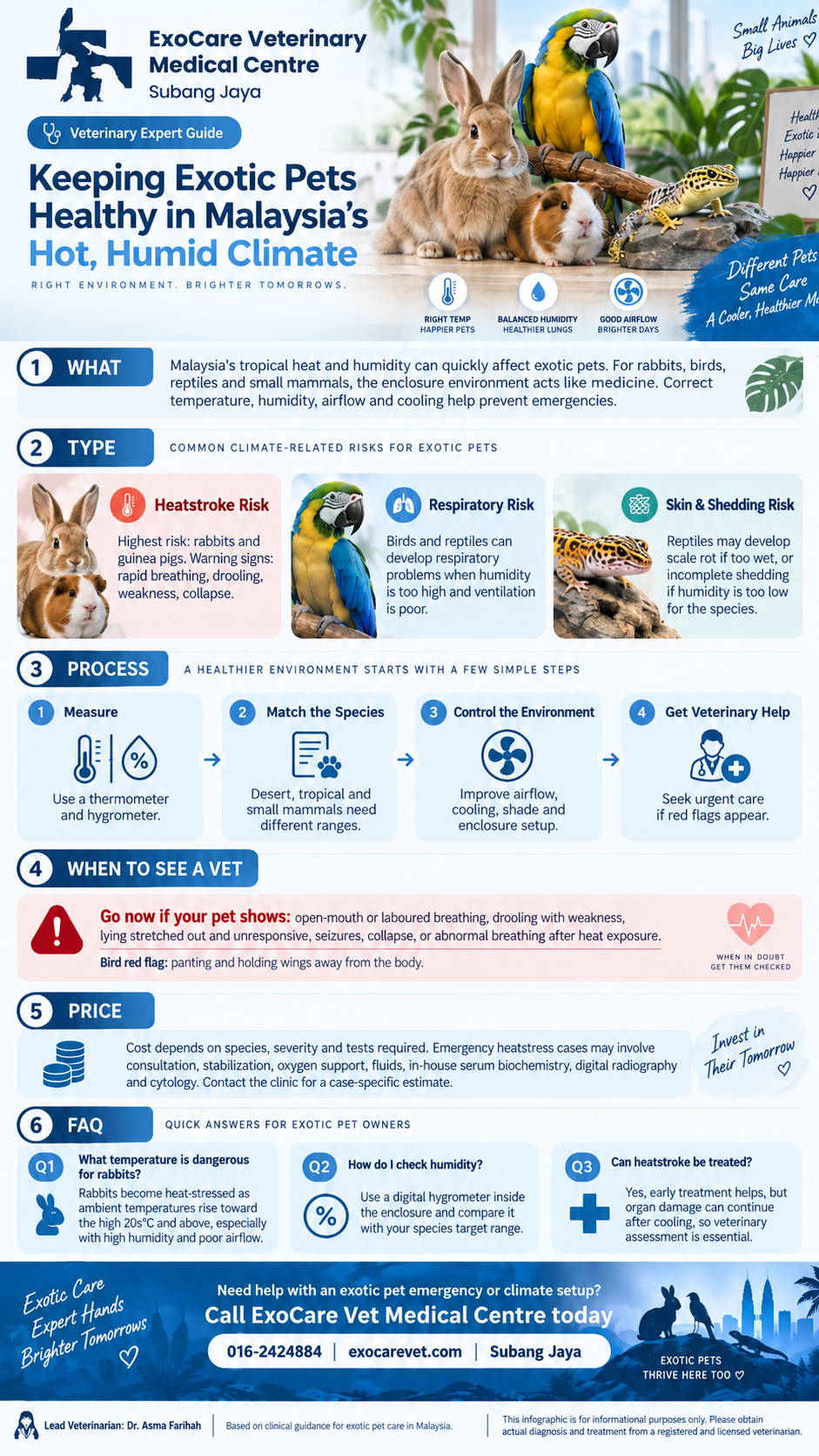
Preventing climate-related illness starts with setting up proper enclosure controls rather than guessing how the room feels:
-
Establish a Measured Thermal Gradient: For reptiles, create a distinct warm basking zone at one end and a cooler retreat at the other. Always check both zones using digital thermometers rather than relying on human perception.
-
Monitor Humidity with a Digital Hygrometer: Place a hygrometer inside the enclosure to ensure humidity stays within your pet’s ideal target range.
-
Ensure Active Airflow: Good ventilation prevents damp, stagnant air from building up. For small mammals like rabbits, ensure their living area stays cool, well-ventilated, or gently climate-controlled during peak afternoon heat.
-
Avoid Unsafe Cooling Methods: If you suspect your pet is overheating, move them to a cool, shaded area and gently dampen their ears or paws with cool (not ice-cold) water. Ice water can cause blood vessels to constrict, trapping heat inside the body.
Debunking Common Climate Myths
Myth 1: “If the room feels comfortable to me, my pet is fine.”
Fact: Humans regulate temperature through sweating, which exotic animals cannot do. A room temperature of 28°C with high humidity can easily trigger heat distress in a rabbit, even if it feels acceptable to you.
Myth 2: “All reptiles need high humidity because Malaysia is humid.”
Fact: Humidity needs depend entirely on the animal’s natural origin. Arid species need drier air inside their enclosures to prevent fungal and skin diseases.
Myth 3: “A simple desk fan is enough to cool an overheated rabbit.”
Fact: Fans move air, but they do not lower ambient temperatures. Because small mammals do not sweat, fan airflow alone will not prevent heatstroke if the room remains hot and stagnant.
“The mistake I see most often is owners applying one setting to every animal because ‘Malaysia is hot and humid.’ A desert reptile and a forest gecko can live in the same house and need completely opposite conditions. Buy a thermometer and a hygrometer before you buy the animal. Those two instruments prevent more disease than any medicine I can prescribe.”
— Dr. Asma Farihah (Senior Veterinary Specialist, ExoCare Vet Medical Centre)
When to Seek Immediate Veterinary Care
Contact an exotic veterinary clinic immediately if you notice any of these emergency red flags:
-
Collapse, unresponsiveness, or inability to stand.
-
Open-mouth breathing, loud wheezing, or heavy abdominal lifting.
-
Excessive drooling accompanied by extreme weakness (in rabbits or guinea pigs).
-
Visible skin ulcers, red patches, or stuck shed constricting the toes (in reptiles).
ExoCare Vet Medical Centre (Subang Jaya)
-
Operating Hours: Monday & Wednesday – Sunday: 11:00 AM – 7:00 PM (Closed Tuesdays).
-
Location: Subang Jaya, Selangor.
-
What to Bring: Transport your pet in a secure, well-ventilated carrier kept away from direct sunlight. Sharing details about your enclosure’s recent temperature and humidity readings helps our medical team evaluate their condition quickly.
Frequently Asked Questions
What temperature is dangerous for rabbits in Malaysia?
Rabbits are most comfortable in cooler conditions and become heat-stressed as ambient temperatures climb toward the high 20s°C and above, particularly with high humidity and poor airflow. In practice this means most Malaysian homes need active cooling or air-conditioning for rabbits during the hottest parts of the day. Watch for laboured breathing and lethargy as early warnings.
How do I know if my enclosure humidity is correct?
Use a digital hygrometer placed inside the enclosure and compare the reading against your species’ target range. Signs the humidity is wrong include incomplete shedding or retained skin (too dry) and skin ulcers or persistent respiratory signs (too wet). If unsure, bring photos of your setup to a consultation.
Can heatstroke be treated, or is it always fatal?
It can be treated, and early cases often recover but survival depends heavily on how quickly cooling and veterinary support begin. Because organ damage can continue after cooling, any suspected heatstroke should be assessed by a vet even if the animal seems to improve. Certain stabilisation and diagnostic fees are non-waivable as they involve immediate laboratory and equipment use.
Conclusion
In Malaysia, keeping an exotic pet healthy is, above all, an exercise in climate control. Match each species’ temperature and humidity needs precisely, guarantee ventilation and cooling, and use instruments to monitor rather than trusting how the room feels. Do that, and you prevent the majority of the emergencies our team sees. If your pet is showing heat stress, breathing difficulty or skin problems, don’t wait for it to worsen. A prey species that looks “a bit off” may already need help.
References
AAHA, “Heatstroke in Pets: Signs, Risks, and What to Do”. Accessed at: https://www.aaha.org/resources/heatstroke-in-pets/
Royal Veterinary College (RVC), “Heatstroke in dogs and cats — prevention, symptoms and first aid”. Accessed at: https://www.rvc.ac.uk/small-animal-vet/teaching-and-research/fact-files/heatstroke-in-dogs-and-cats
Merck Veterinary Manual, “Management and Husbandry of Reptiles”. Accessed at: https://www.merckvetmanual.com/exotic-and-laboratory-animals/reptiles/management-and-husbandry-of-reptiles
Veterinary Partner (VIN), “Hyperthermia (Heat Stroke): First Aid”. Accessed at: https://veterinarypartner.vin.com/default.aspx?pid=19239&id=4951333
This article has been medically reviewed based on clinical protocols by:
Dr. Asma Fariha (MVC No. 3362).
Senior Veterinary Specialist, ExoCare Vet Medical Centre, Subang Jaya.
ExoCare is a referral veterinary medical center specializing in the medical, surgical, and critical care of small animals, exotic pets, avian species, reptiles, rodents, and amphibians in Malaysia.