“Is this bad enough to drive to the vet now, or am I panicking?” Almost every owner has faced that question, usually late at night, hoping the issue will resolve by morning.
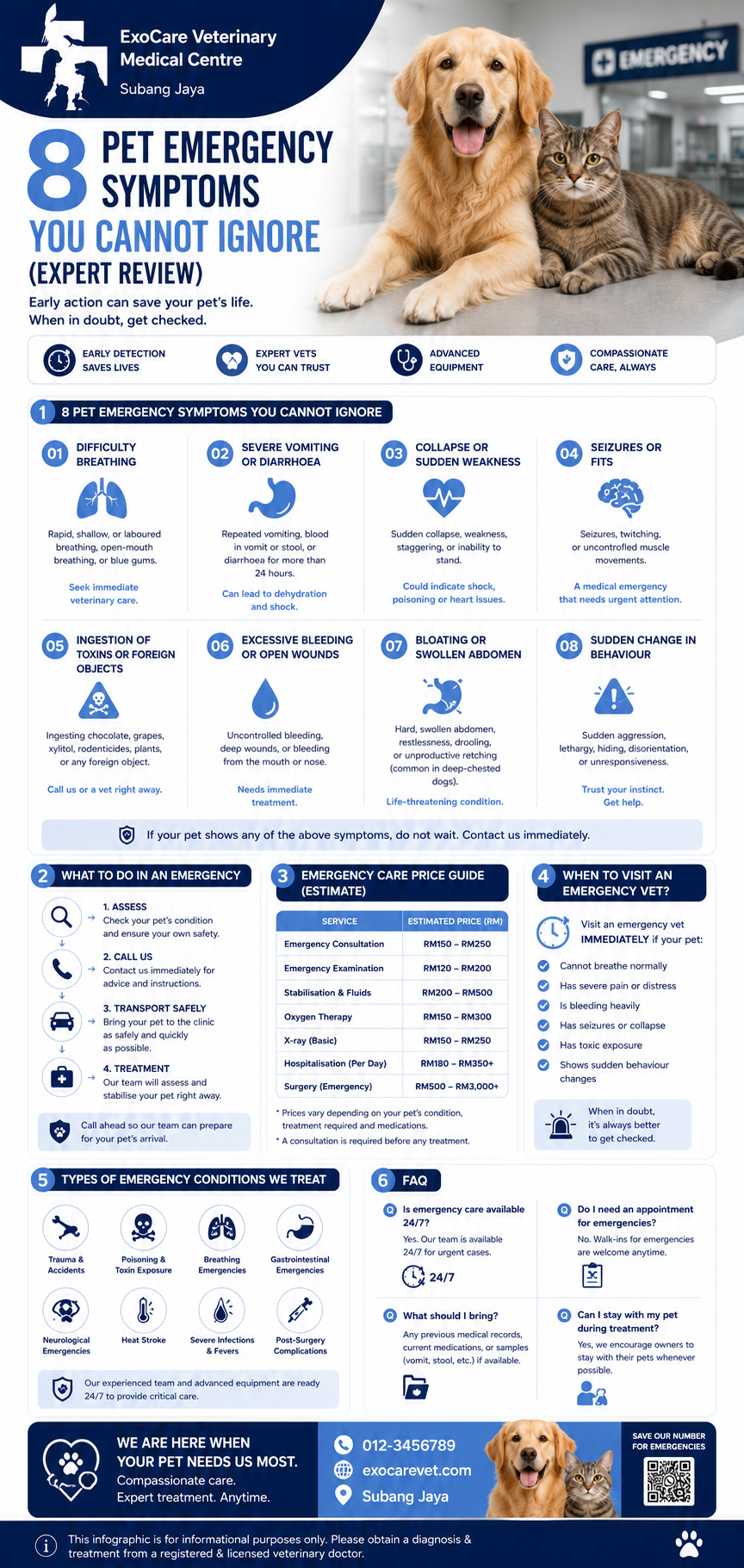
When it comes to critical pet symptoms, waiting is often the dangerous choice. Animals natural instincts drive them to hide weakness and pain, meaning by the time visible pet symptoms appear, the animal is frequently already in crisis. Below is an expert review of the eight emergency pet symptoms that require immediate veterinary triage.
- Trouble breathing or blue/grey gums, a bloated hard belly with unproductive retching, a male cat straining with no urine, seizures, sudden collapse, suspected poisoning, uncontrolled bleeding or major trauma, and pale/white gums.
- Bloat and a blocked bladder can kill within hours. There is no version where waiting helps.
- Cats and exotics hide illness by instinct, so an obvious symptom often means the animal is already in crisis.
- Save our number; if you see any of these during our hours, phone first, then drive.
Why Waiting on Pet Symptoms Can Be Fatal
Animals evolved to mask weakness to protect themselves from predators in the wild. This instinct is exceptionally strong in cats and exotic pets. Furthermore, Malaysia’s year-round heat accelerates physical decompensation. A pet that appears “a little off” may already be close to systemic failure.
8 Pet Emergency Symptoms

1. Breathing Distress or Cyanotic (Blue/Grey) Gums
Laboured breathing, open-mouth breathing in cats, or dark/purple gums mean oxygen is failing to reach tissues. Healthy cats do not pant; open-mouth breathing in felines is almost always a life-threatening emergency.
2. Hard, Swollen Belly with Unproductive Retching
Restlessness, drooling, and unproductive dry-heaving in deep-chested dogs strongly indicate bloat (GDV). The stomach fills with gas and twists, cutting off its own blood supply. Untreated, mortality approaches 100% within hours.
3. Male Cat Straining at the Litter Box
A tomcat making frequent trips to the tray, crying and passing little to no urine is likely blocked. This leads to rapid toxic buildup (hyperkalaemia) and cardiac arrest. It is often mistaken for constipation, it is not constipation.
4. Seizures and Neurological Episodes
Uncontrolled shaking, paddling limbs, or sudden loss of consciousness require immediate care. Seizures lasting longer than 5 minutes or occurring in clusters can cause severe brain damage and overheating.
5. Sudden Collapse or Weakness
An animal that suddenly drops or cannot stand may be experiencing internal haemorrhage, severe hypoglycemia, or heart failure. Even if the pet temporarily recovers, immediate diagnostic evaluation is vital.
6. Poisoning and Toxin Ingestion
Ingestion of toxic foods (chocolate, grapes, onions), lilies (fatal to cats), rodenticide, or xylitol demands treatment before heavy pet symptoms develop. Do not induce vomiting yourself, as corrosive toxins can damage the oesophagus.
7. Uncontrolled Bleeding or Physical Trauma
Wounds that continue to bleed after several minutes of firm pressure, or injuries sustained from vehicle accidents, require urgent evaluation. Internal organ damage is often hidden behind normal outward behavior initially.
8. Pale or White Gums
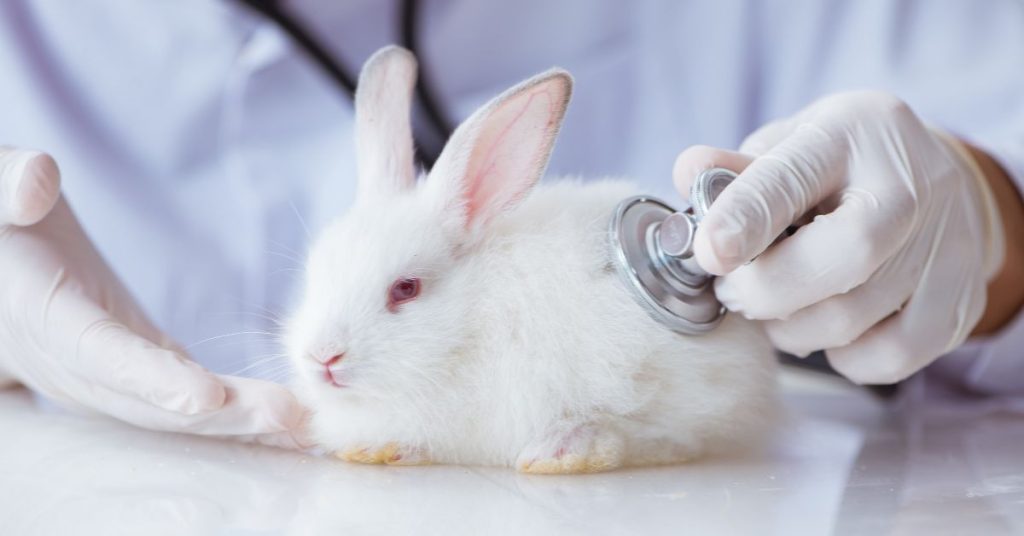
Pale gums indicate severe anaemia, circulatory shock, or internal bleeding. In Malaysia, tick-borne diseases (Ehrlichiosis and Babesiosis) are major culprits. In rabbits and rodents, a sudden loss of appetite or lack of droppings signals gut stasis, a rapidly progressing emergency in prey animals.
Factors Affecting Pet Symptoms in Malaysia
- Year-Round Heatstroke Risk: High ambient temperatures mean heatstroke (excessive panting, red gums, collapse) can occur rapidly in non-air-conditioned spaces or parked vehicles.
- Tick-Borne Pathogens: Ehrlichia and Babesia are widespread in the region. Pale gums combined with lethargy are high-risk indicators of tick-borne infection.
Myth vs. Reality: Common Misconceptions

| Common Owner Assumption | Clinical Reality
|
|---|---|
| “The retching is just a hairball.” | Unproductive dry-heaving with a distended belly can be fatal bloat. |
| “He seems fine after the fall.” | Internal bleeding and organ trauma can remain silent for hours before sudden collapse. |
| “Pale gums just mean he’s tired.” | Pale gums signal severe anaemia or shock, requiring urgent bloodwork. |
| “A straining cat just needs extra fibre.” | In male cats, straining without urine flow is an obstructive emergency. |
Immediate Steps When Urgent Pet Symptoms Appear
-
Call Ahead: Contact your clinic so the emergency team can prepare oxygen, fluids, or surgical equipment before you arrive.
-
Transport Safely: Keep the pet warm and confined. Never muzzle an animal that is vomiting or struggling to breathe.
-
Apply Direct Pressure: Use a clean cloth on bleeding wounds.
-
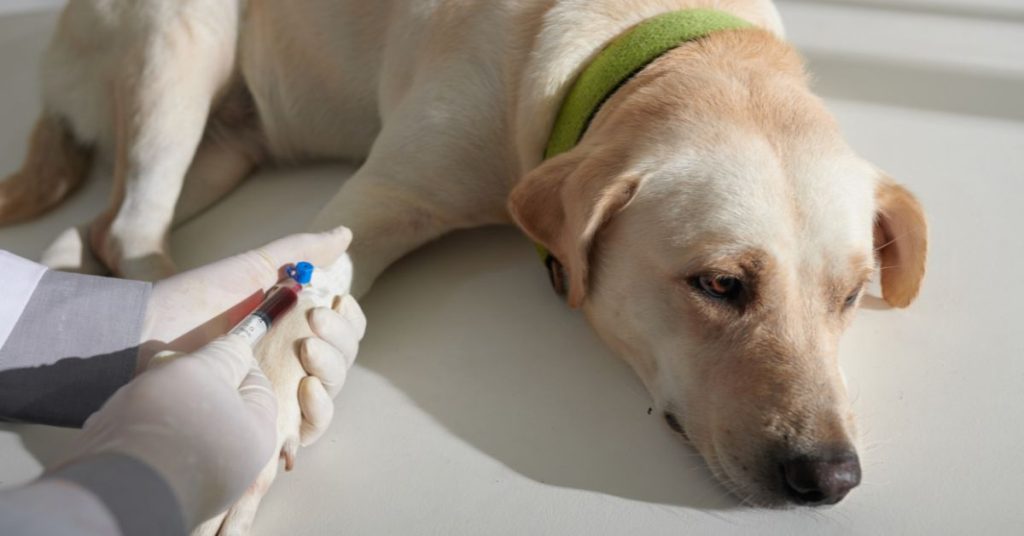
Bring Documentation: Carry past medical records, recent bloodwork, or packaging of any suspected ingested toxin.
Also Read: Emergency Vet in Subang Jaya: What to Do During & After Hours
Frequently Asked Questions (FAQ)
How do I know if my pet’s symptoms are a true emergency?
If you observe any of the eight red-flag pet symptoms listed above, treat it as an immediate emergency. When in doubt, telephone a local veterinary hospital directly rather than spending critical time researching online.
Should I wait to see if minor symptoms improve overnight?
In cats and exotic pets, subtle signs like sudden quietness or skipping two consecutive meals often indicate an advanced stage of illness due to their natural masking instincts. Early intervention offers the highest chance of full recovery.
My exotic pet seems “a bit off.” Is that urgent?
Often, yes. Because these species hide illness, small changes, eating less, fewer droppings, can already mean serious disease. Call a vet who works with exotics; their safe treatment window is short.
References
- BluePearl Pet Hospital: What Symptoms are Considered Pet Emergencies? https://bluepearlvet.com/pet-blog/pet-emergency-symptoms/
- American Animal Hospital Association (AAHA): Is This a Pet Emergency? https://www.aaha.org/resources/help-is-this-a-pet-emergency/
- MSD Veterinary Manual: Emergency Care in Animals. https://www.msdvetmanual.com/
- American Veterinary Medical Association (AVMA): Emergency and First Aid Care for Pets. https://www.avma.org/
- Malaysian Veterinary Council (MVC): https://www.mvc.gov.my/
This article has been medically reviewed based on clinical protocols by:
Dr. Asma Farihah (MVC No. 3362).
Lead Veterinarian & Co-Founder, ExoCare Vet Medical Centre, Subang Jaya.
ExoCare is a referral veterinary medical center specializing in the medical, surgical, and critical care of small animals, exotic pets, avian species, reptiles, rodents, and amphibians in Malaysia.