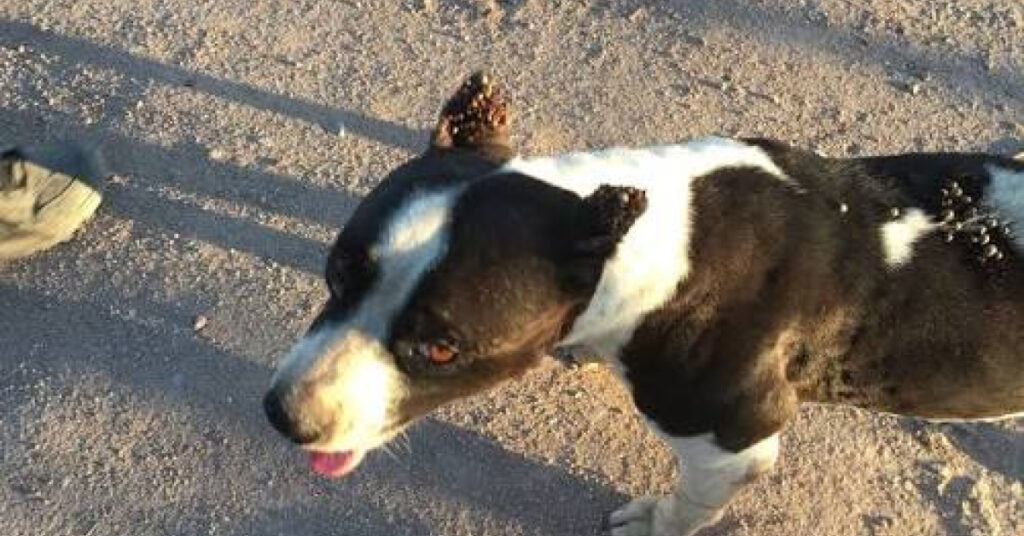

- Infection can reduce platelet counts, cause anaemia and progress to severe illness if not recognised
- Dogs may appear normal during early infection, while blood abnormalities are already developing
- If your dog is lethargic, feverish, bleeding or has recently had ticks, arrange a veterinary assessment promptly
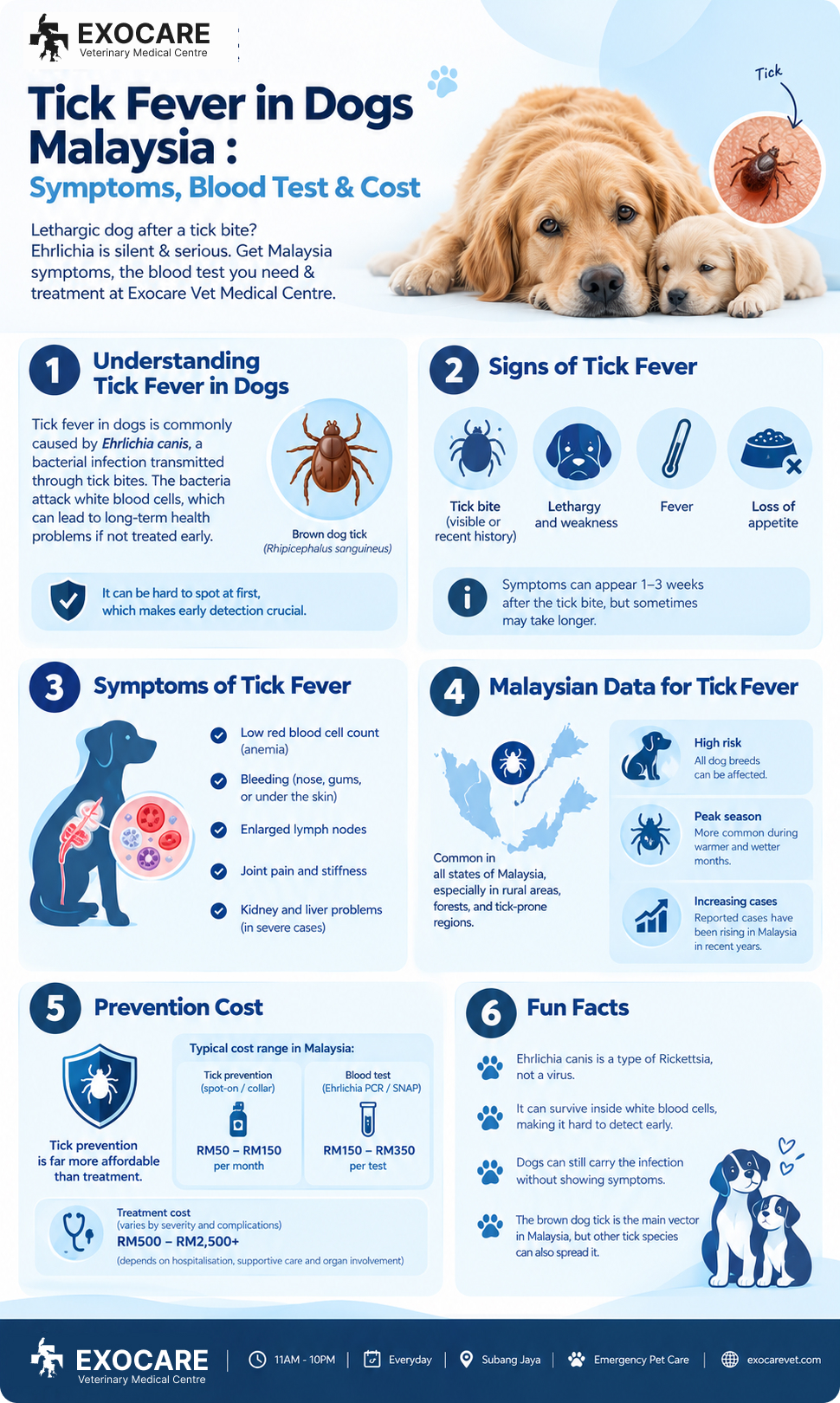
- Tick fever is a general term for tick-borne infections, including canine ehrlichiosis caused by Ehrlichia canis
- Veterinary examination, a complete blood count (CBC) & targeted tick-borne disease testing help guide diagnosis and treatment
Your dog seems unusually tired, has stopped eating normally, or has developed pale gums after a tick bite. It is easy to assume the problem is a minor parasite issue that will resolve once the tick is removed.
You may also hesitate to visit a vet because your dog still looks relatively normal, or worry that blood tests will lead to unnecessary expenses.
However, tick fever in dogs can progress before obvious symptoms appear. Canine ehrlichiosis, caused by Ehrlichia canis, can affect the blood and reduce platelet counts, increasing the risk of abnormal bleeding.
“Removing a tick does not rule out an infection, and not every tick-borne illness causes the same symptoms or responds to the same treatment.”
The most useful next step is not to guess whether your dog has parasites, but to establish what is causing the symptoms. A veterinary examination and appropriate blood tests can help identify blood abnormalities, assess disease severity and guide treatment.
What Is Tick Fever in Dogs?
“Tick fever” is not one specific diagnosis. It commonly describes illnesses transmitted by ticks, including canine monocytic ehrlichiosis, caused by the intracellular bacterium Ehrlichia canis. Other tick-borne infections, such as babesiosis and anaplasmosis, can produce similar symptoms and may occur alongside ehrlichiosis.
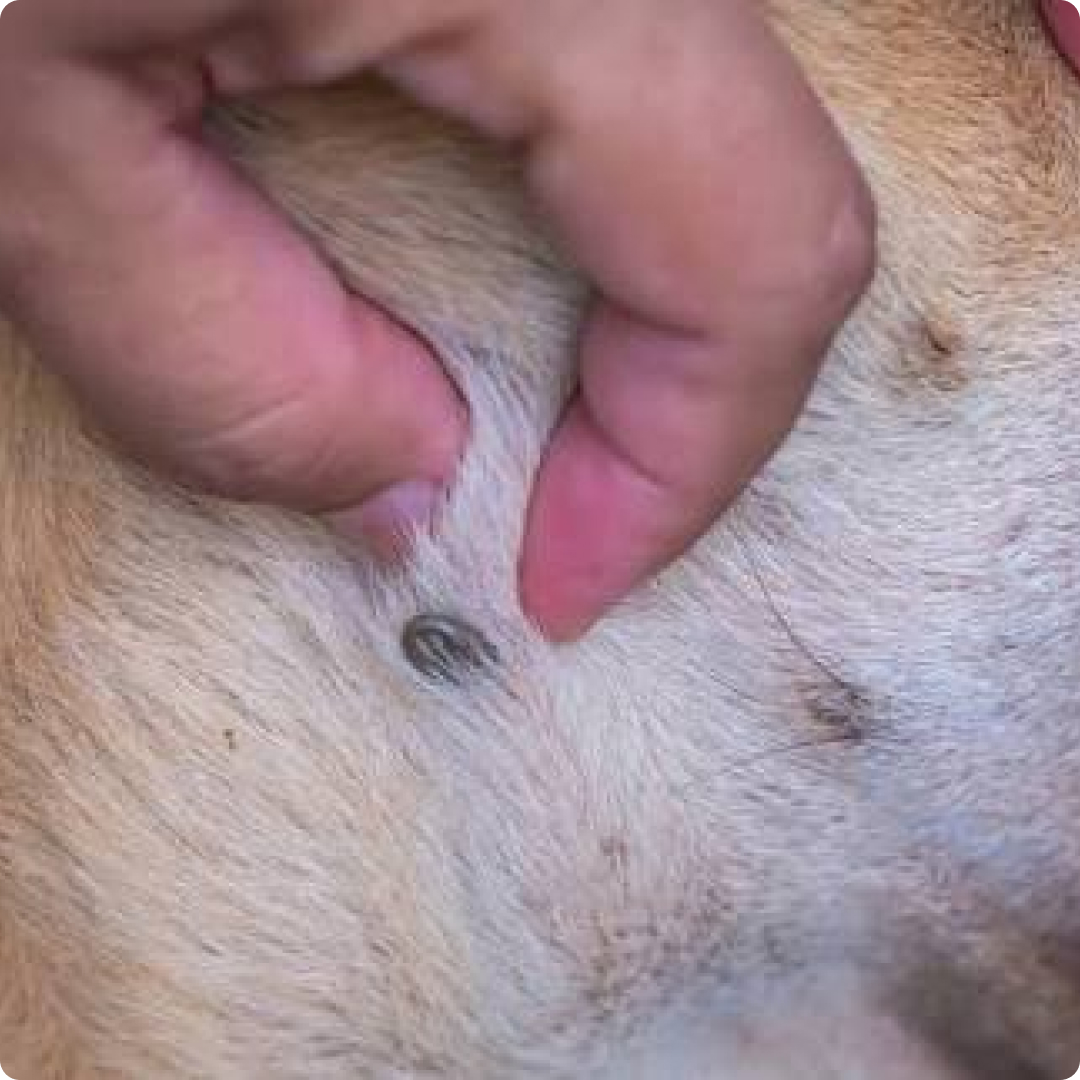
In Malaysia, tick exposure is a relevant concern. A Malaysian veterinary study documented E. canis and other blood parasites in dogs, supporting the importance of considering tick-borne disease when investigating compatible clinical signs.
After an infected tick feeds, the pathogen can enter the dog’s bloodstream and infect particular blood cells. The resulting immune and inflammatory responses may cause fever, reduced platelet counts and other blood abnormalities. Some dogs develop an acute illness; others progress to persistent or chronic disease.
A tick bite does not automatically mean a dog has tick fever. Equally, the absence of visible ticks does not rule it out.
Read : Puppy Vaccination Malaysia: Schedule, Cost & Booster Plan
Symptoms & Malaysia’s Hot, Humid Climate
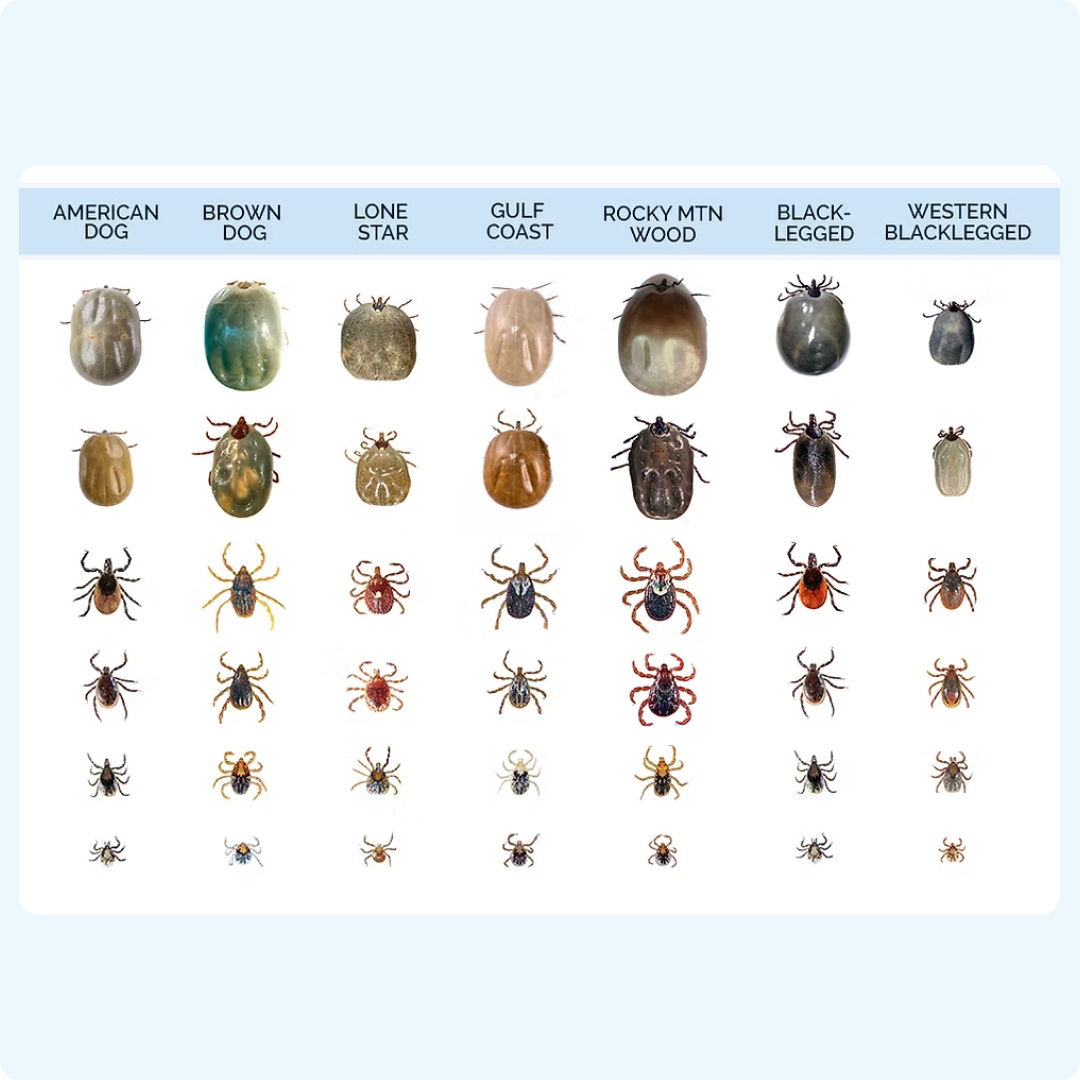
Malaysia’s warm climate allows tick exposure throughout the year. The brown dog tick (Rhipicephalus sanguineus) can infest dogs and their surroundings, including kennels, bedding, cracks and sheltered outdoor areas. Warm weather should not be treated as the sole cause of infection: transmission depends on exposure to infected ticks.
Common symptoms include:
- Reduced appetite and weight loss
- Unexplained bruising or nosebleeds
- Fever, tiredness or unusual weakness
- Pale gums, which may indicate anaemia
- Swollen lymph nodes or an enlarged spleen
- Small red or purple spots on the gums or skin
- Stiffness, reluctance to walk or, in some cases, breathing difficulties
Some dogs show few obvious signs initially. Chronic infection may cause substantial reductions in blood cells, increasing the risk of bleeding and other complications.
Do not assume lethargy is simply due to Malaysian heat. Heat stress, dehydration, infections and other conditions can overlap clinically, and a dog with suspected tick fever requires assessment rather than home observation alone.
Causes and Dogs at Greater Risk
The primary cause of ehrlichiosis is infection with E. canis, transmitted mainly through the bite of an infected tick. Risk increases when tick prevention is inconsistent or the dog lives in an environment with an established tick infestation.
Dogs that frequently visit parks, boarding facilities, shelters or tick-infested outdoor areas may have more opportunities for exposure. However, indoor dogs are not completely protected because ticks can enter homes and survive in sheltered environments.
Certain breeds, including German Shepherd Dogs, have been reported to be more susceptible to severe chronic ehrlichiosis. Nevertheless, any dog can become infected.
Poor nutrition does not directly cause ehrlichiosis, and breed or lifestyle alone cannot confirm infection. The clinical history, physical examination and laboratory findings must be considered together.
Read : Dog Skin Allergy Malaysia : Tropical Causes & Treatment Cost
How Is Tick Fever Diagnosed at ExoCare?
Symptoms alone cannot reliably distinguish ehrlichiosis from babesiosis, other infections, immune-mediated disease or internal bleeding. Diagnosis usually combines examination with laboratory testing.
ExoCare lists blood tests and biochemistry and infectious disease testing among its diagnostic services.
A typical investigation may include:
- Clinical examination: The veterinarian assesses temperature, hydration, gum colour, lymph nodes, bruising, tick exposure and the dog’s medical history.
- Complete blood count (CBC): Measures red blood cells, white blood cells and platelets. Low platelets are a common finding in ehrlichiosis, but they are not specific to it.
- Serum biochemistry: Evaluates organ function, proteins and other parameters to assess complications and help plan treatment.
- Targeted tick-borne testing: Depending on the case, rapid antibody testing, laboratory serology or PCR may be recommended. Antibody tests can be negative early in infection, while a positive antibody result may reflect previous exposure rather than active disease.
- Blood-smear examination: May identify organisms in blood cells, although failure to see them does not exclude infection.
The veterinarian selects tests according to the dog’s condition and the diagnostic question. Imaging, such as ultrasound or digital radiography, may be useful if additional problems are suspected, but these are not stand-alone tests for ehrlichiosis.
Read : Ectoparasites Flea & Mite Treatment for Pets
Tick Fever Myths
“I removed the tick, so my dog is safe.”
Removing a tick reduces continued attachment but cannot reverse an infection that may already have been transmitted. Monitor your dog and seek veterinary advice if illness develops.
“A positive tick fever test always means active disease.”
Not necessarily. Some tests detect antibodies, which can persist after exposure. Results must be interpreted alongside symptoms, blood counts, exposure history and, where appropriate, PCR or follow-up testing.
“My dog looks normal, so there is nothing to worry about.”
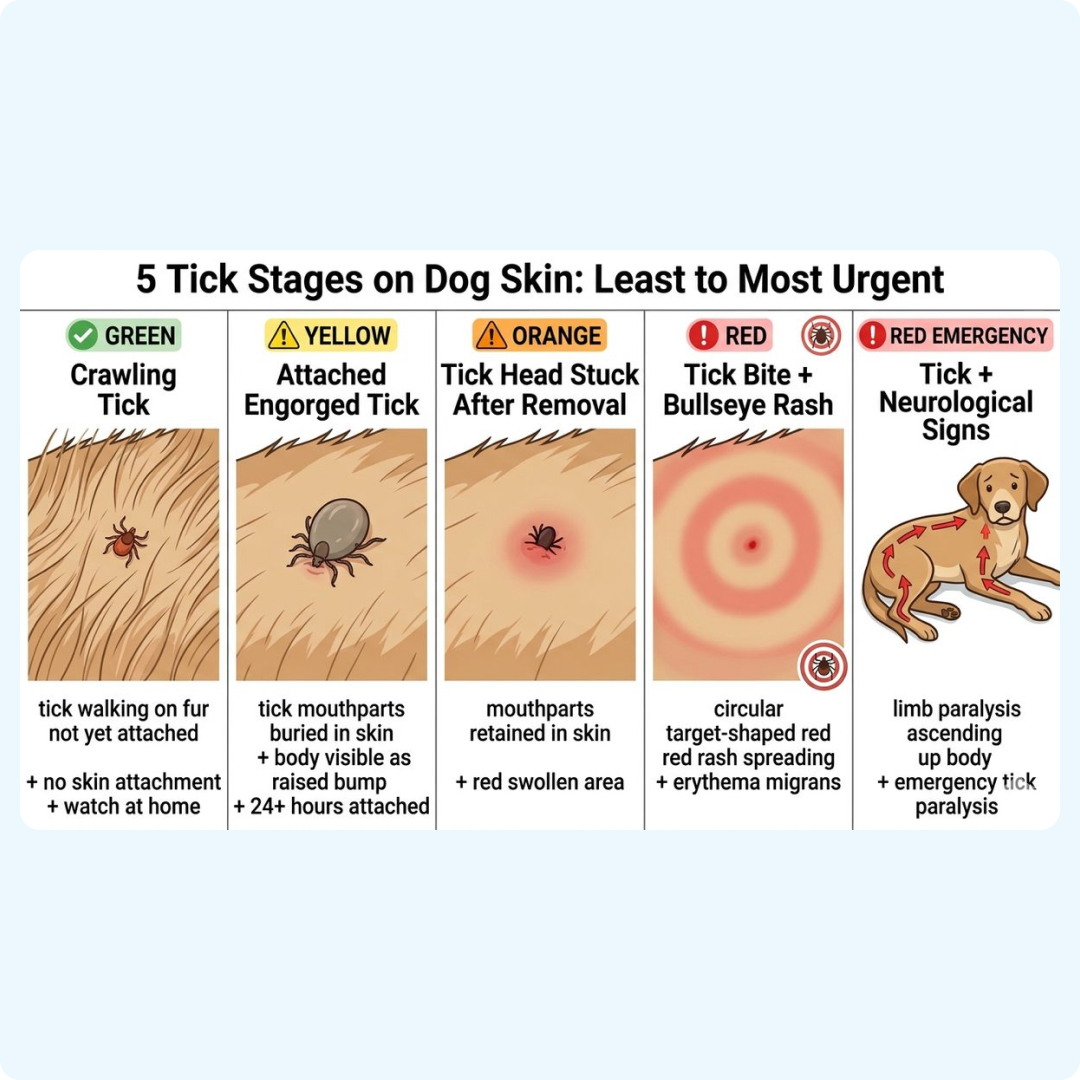
Early infection may cause subtle signs, and some dogs have laboratory abnormalities before owners notice obvious illness. Veterinary advice is appropriate when exposure is followed by unexplained changes in health.
| Myth | Clinical reality |
|---|---|
| Tick fever only affects outdoor dogs | Ticks can enter homes and kennels. |
| A normal appetite rules it out | Early disease may have subtle signs. |
| Any tick-borne infection needs the same medicine | Treatment depends on the suspected or confirmed pathogen and the dog’s condition. |
| One tick treatment guarantees protection | No product eliminates every risk; consistent, correctly selected prevention is essential. |
Veterinary Care at ExoCare Vet Medical Centre
At ExoCare, the published diagnostic service range includes CBC and biochemistry, infectious disease testing, digital X-ray, ultrasound and other investigations where clinically indicated. These tools help the veterinarian assess the whole patient rather than relying on a tick bite or a single test result.
Treatment depends on disease severity and diagnostic findings. For suspected or confirmed ehrlichiosis, veterinarians commonly prescribe doxycycline for an appropriate course, often around 28 days under established veterinary guidance. Owners should not start leftover antibiotics or change doses without veterinary direction.
Dogs with severe anaemia, bleeding, dehydration or other complications may require hospitalisation, fluid support, repeated blood tests or blood-product transfusion.
Recovery varies: uncomplicated acute cases may improve relatively quickly after appropriate treatment, while chronic disease and blood abnormalities can take considerably longer to resolve.
ExoCare also treats exotic animals, for which species-specific precision dosing and appropriate monitoring are important. However, exotic-animal protocols, cardiac monitoring during anaesthesia and soft-tissue surgery protocols are not substitutes for the specific diagnostic and treatment plan needed for canine tick fever.
Baseline screening is useful when establishing a new patient’s health status, particularly if the dog has an uncertain medical history. Do not wait for a routine screening appointment if your dog is already unwell.
“Tick exposure can occur throughout the year. A dog that becomes lethargic, develops pale gums or shows unusual bleeding after tick exposure should be assessed promptly. Blood tests help us evaluate the severity of illness and determine which further tests and treatment are appropriate.”
— Dr. Asma Fariha, Lead Veterinarian, ExoCare Vet Medical Centre
When Should You See a Vet?
Seek urgent veterinary care if your dog has suspected tick exposure alongside marked weakness, pale gums, unexplained bruising, nosebleeds, blood in urine or stools, collapse or difficulty breathing. Collapse, severe bleeding and breathing difficulty are emergencies.

While arranging care:
- Do not give human painkillers or unprescribed antibiotics.
- Transport your dog securely on a lead or in an appropriate carrier.
- Do not rely on supplements or home remedies to treat a suspected blood infection.
- Bring previous medical records, medication details and any available blood-test results.
- Tell the veterinarian when ticks were found and which tick-prevention products were used.
ExoCare Veterinary Medical Centre, Subang Jaya
- Address: G3, Lot 15, Jalan SS 16/1, SS 16, 47500 Subang Jaya, Selangor.
- Published operating hours: 11:00 AM–10:00 PM. Everyday.
- Phone: +60 3-5145 8989 or check the clinic’s official website for current contact details.
- Appointment: Book or request a consultation.
ExoCare accepts emergency cases during its published operating hours. The clinic does not publish 11:00 AM–10:00 PM, 365-day emergency coverage on the service information referenced for this article. If your dog needs emergency care outside operating hours, contact a 24-hour veterinary facility.
Frequently Asked Questions
How much does a tick fever blood test cost in Malaysia?
ExoCare does not publish a fixed tick fever diagnostic price on the referenced service page. The total depends on the consultation, CBC, selected infectious-disease tests, biochemistry and any additional treatment or hospitalisation.
Ask the clinic for an itemised estimate before proceeding. Do not assume that one rapid test includes every investigation.
How long does tick fever treatment take?
Treatment for canine ehrlichiosis commonly involves a veterinarian-prescribed antibiotic course of approximately 28 days. The duration and monitoring plan may differ according to the suspected pathogen, disease stage and response.
Dogs with chronic disease or severe blood abnormalities may need repeat blood tests and longer follow-up.
Can tick fever be prevented?
Risk can be reduced with consistent, veterinarian-recommended tick prevention, regular coat and skin checks, and environmental tick control.
Use products labelled for dogs at the correct weight and age; some products intended for one species can be dangerous to another. Prevention reduces risk but cannot guarantee that infection will never occur.
Do Not Wait for Severe Symptoms
Tick fever can cause serious blood abnormalities, and early signs may be easy to overlook. A tick bite alone does not confirm infection, but lethargy, fever, pale gums or unexplained bleeding warrant prompt veterinary assessment.
Appropriate blood testing helps distinguish possible causes and guides treatment.

If you suspect tick fever in your dog, contact ExoCare Veterinary Medical Centre to arrange an assessment during published operating hours. If your dog is collapsing, bleeding heavily or struggling to breathe, seek emergency veterinary care immediately.
References :
- Merck Veterinary Manual, Ehrlichiosis and Related Infections in Dogs, reviewed June 2026. Accessed at: https://www.merckvetmanual.com/dog-owners/disorders-affecting-multiple-body-systems-of-dogs/ehrlichiosis-and-related-infections-in-dogs
- Companion Animal Parasite Council, Ehrlichia spp. and Anaplasma spp. Accessed at: https://capcvet.org/guidelines/ehrlichia-spp-and-anaplasma-spp/
- Malaysian Journal of Veterinary Research, Studies on common parasites and blood parasites in dogs in Malaysia, July 2018. Accessed at: https://www.dvs.gov.my/dvs/resources/user_16/MJVR%20Vol9%20No%202/MJVR-V9N2-p130-135.pdf
Lead Veterinarian & Co-Founder, ExoCare Vet Medical Centre, Subang Jaya.
ExoCare is a referral veterinary medical center specializing in the medical, surgical, and critical care of small animals, exotic pets, avian species, reptiles, rodents, and amphibians in Malaysia.