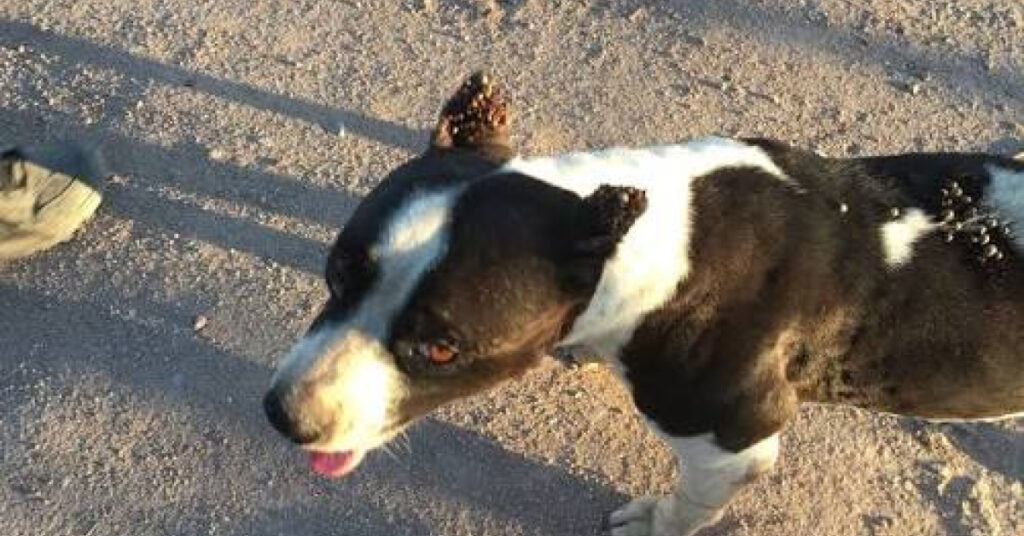

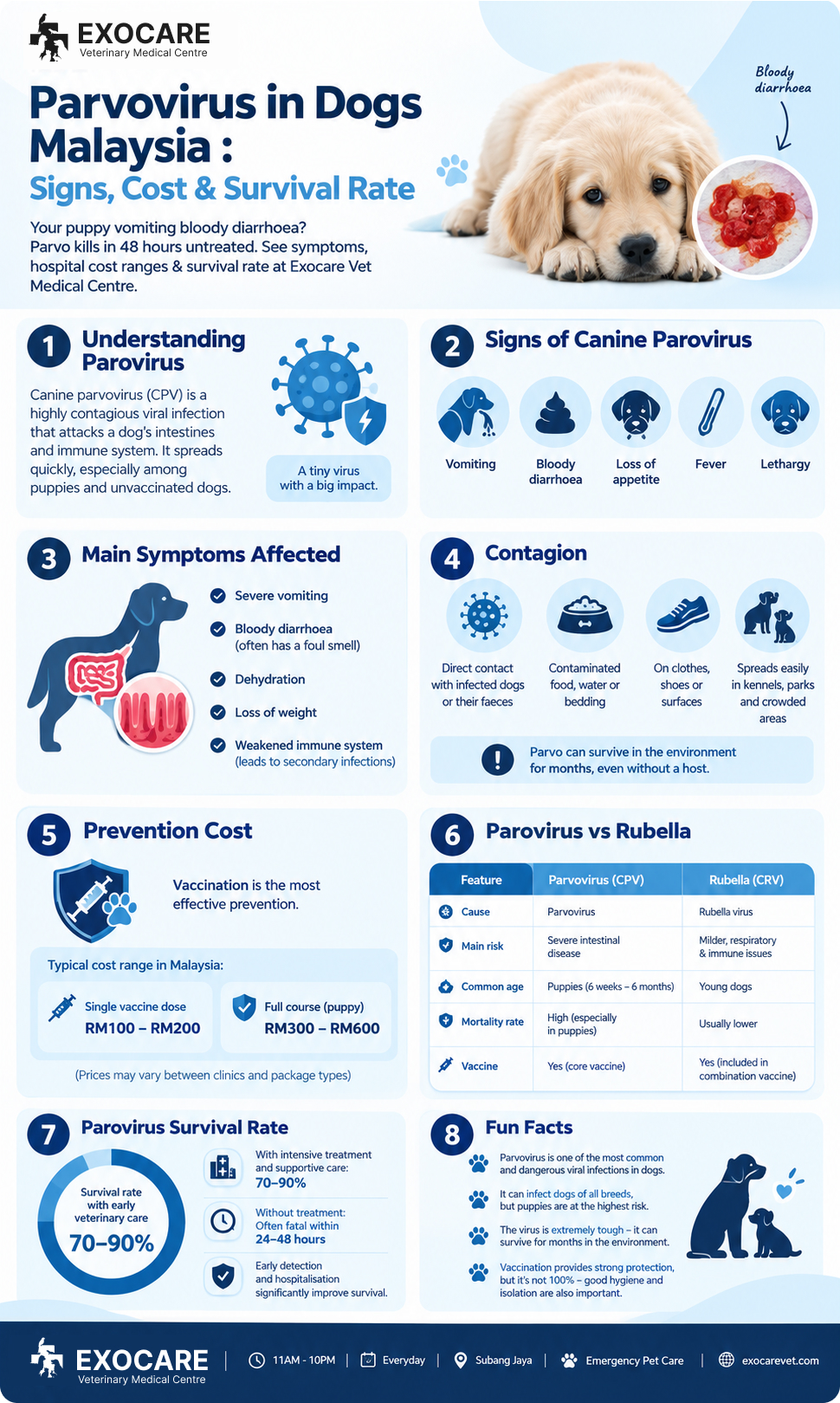
- Canine parvovirus (CPV) is a highly contagious viral infection among dogs
- Puppies and incompletely vaccinated dogs face increased risk of severe disease
- Vomiting, bloody diarrhoea, lethargy and refusal to eat may indicate a life-threatening emergency
- Prompt examination, parvovirus testing, fluid & electrolyte correction improve the chance of survival
- Affected dogs must follow nutritional support & appropriate monitoring for better lifespan after treatments
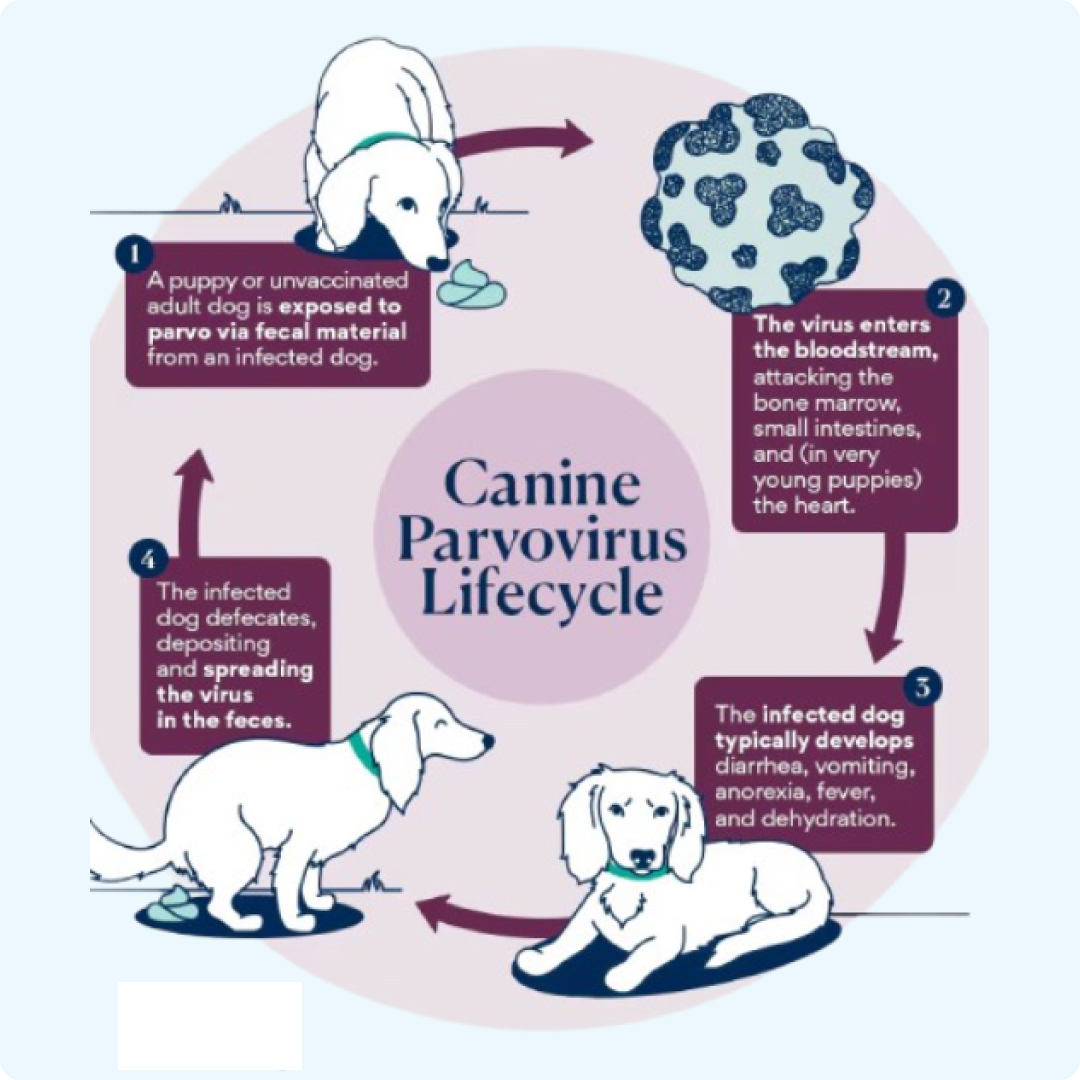
- CPV damages the intestinal lining and can cause severe gastroenteritis, dehydration & systemic complications
- Contact ExoCare Veterinary Medical Centre in Subang Jaya if your dog has suspected parvovirus as soon as possible
What Is Actually Canine Parvovirus?
Canine parvovirus type 2 causes canine parvoviral enteritis, a potentially fatal infectious disease affecting dogs. The virus targets rapidly dividing cells, particularly intestinal crypt cells and lymphoid tissues. In very young puppies, it can also affect developing cardiac muscle, although myocarditis is less common than intestinal disease.
Damage to the intestinal lining impairs nutrient absorption and weakens the gut barrier. This allows fluid loss and increases the risk of bacterial translocation, inflammation and systemic complications.
Transmission occurs primarily through infected faeces and contaminated environments. Direct contact with a visibly sick dog is not necessary: contaminated footwear, equipment, surfaces and objects can contribute to exposure.
Parvovirus is not caused simply by poor diet or intestinal worms. It is a viral infection requiring appropriate diagnostic assessment and supportive veterinary treatment.
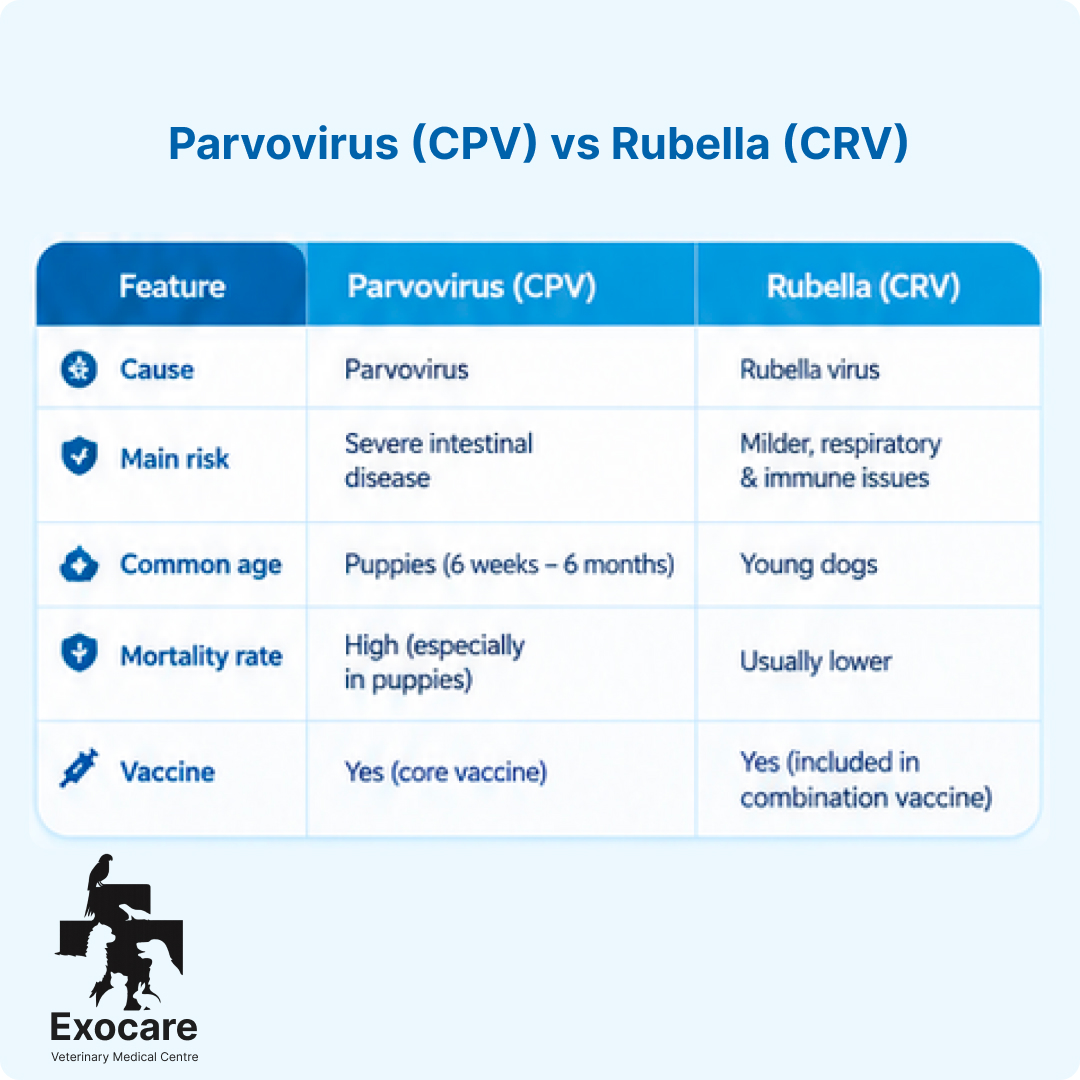
Signs of Parvovirus in Dogs
Clinical signs may initially resemble other gastrointestinal illnesses. Concern increases when several symptoms occur together in a puppy with incomplete vaccination or possible exposure.
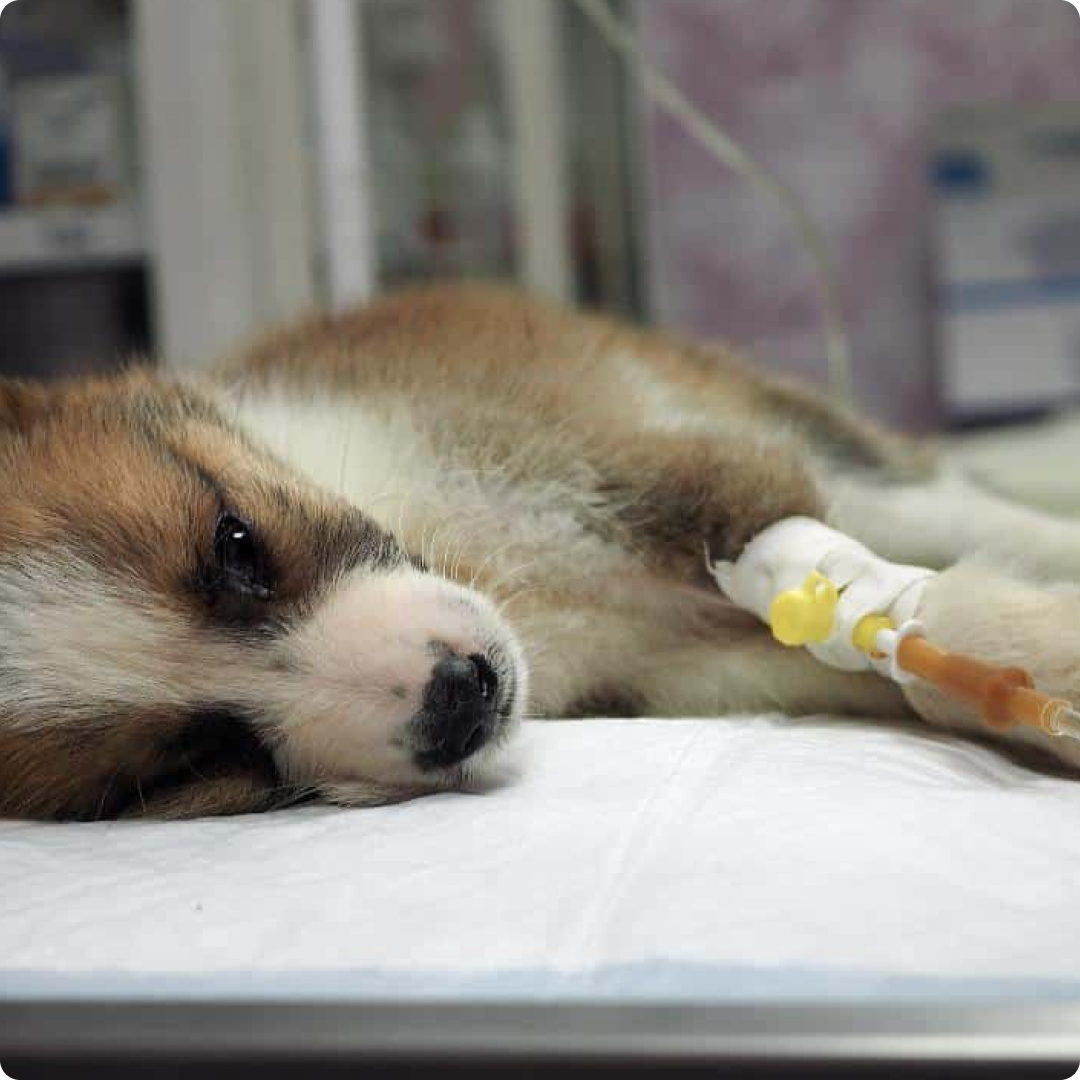
Common warning signs include:
- Repeated vomiting.
- Abdominal discomfort.
- Marked lethargy and weakness.
- Reduced appetite or refusal to eat.
- Dehydration, pale gums or collapse.
- Fever or abnormally low body temperature.
- Profuse diarrhoea, sometimes containing blood.
Bloody diarrhoea is not exclusive to parvovirus; parasites, dietary problems, foreign bodies and other infections can produce similar signs. However, a susceptible puppy with vomiting and diarrhoea needs urgent assessment rather than several days of home observation.
If the dog is weak, repeatedly vomiting, passing bloody stools or unable to drink, seek veterinary care immediately.
Read : Subang Jaya Dog Blood Bank : Give Your Dog a Purpose Now!
Malaysian Climate & Environmental Risk
Malaysia’s hot, humid climate does not cause parvovirus, but heat exposure can worsen the physiological effects of dehydration.
Repeated vomiting and diarrhoea reduce circulating fluid volume. Additional heat stress can increase fluid requirements and place further strain on circulation, particularly in small puppies.
The virus can persist in contaminated environments, making sanitation and isolation essential. Routine household cleaning may not reliably eliminate parvovirus from every surface.
Use a disinfectant specifically effective against parvovirus, following its labelled concentration and contact time, and seek veterinary advice about safe disinfection.
Until vaccination protection is established, avoid contaminated communal dog toilets, dog parks and contact with dogs of unknown vaccination status. Controlled socialisation in clean environments remains important.
Why Parvovirus Can Become Fatal
Three interconnected problems drive severe disease:
- Fluid loss: Vomiting and diarrhoea can cause dehydration, reduced circulation and shock.
- Intestinal barrier damage: Injured intestinal tissue permits bacterial translocation and increases the risk of systemic infection.
- Metabolic abnormalities: Hypoglycaemia, electrolyte disturbances and changes in white blood cells can complicate recovery.
Puppies have limited physiological reserves, so deterioration can be rapid. Prognosis depends on the severity of illness, hydration, blood glucose, blood cell parameters and response to treatment.
Nutritional deficiencies do not directly cause CPV infection, but poor nutritional status may reduce a puppy’s ability to tolerate serious illness.
Clinical & Laboratory Diagnosis at ExoCare
Diagnosis begins with a history and physical examination, including vaccination records, possible exposure, hydration, temperature, appetite and gastrointestinal signs.
ExoCare lists rapid canine parvovirus and distemper testing among its infectious-disease diagnostic services.
Rapid antigen testing
A faecal antigen test can provide a rapid indication of infection. Results must be interpreted alongside symptoms and vaccination history. A negative result does not completely exclude parvovirus when clinical suspicion remains high; repeat testing or additional investigation may be warranted.
Recent vaccination with a modified-live vaccine can also complicate interpretation in some circumstances. The veterinarian should consider the product and timing.
Read : Puppy Vaccination Malaysia: Schedule, Cost & Booster Plan
Blood tests and supportive diagnostics
ExoCare’s in-house blood-testing service includes complete blood count (CBC), serum biochemistry, electrolytes and glucose analysis.
These tests help assess:
- White blood cell changes and other haematological abnormalities.
- Blood glucose and electrolyte disturbances.
- Hydration-related changes and protein levels.
- Relevant organ-function abnormalities.
Digital radiography or ultrasound may be appropriate if the veterinarian suspects intestinal obstruction or another abdominal condition. Imaging does not independently confirm parvovirus.
Not every patient needs every test. Investigations should be selected according to clinical findings and whether the result will affect treatment decisions.
Treatment and Survival Rate
There is no routine home medication that reliably eliminates canine parvovirus. Treatment focuses on supporting the patient while the immune system responds to infection.
Management may include intravenous fluids, electrolyte and glucose correction, antiemetics, pain management, nutritional support, antibiotics when clinically indicated, and repeated assessment of vital parameters.
ExoCare provides critical-care and hospitalisation services during its published operating hours. The veterinarian will determine whether hospitalisation, intensive monitoring or referral is appropriate.
What is the survival rate?
Survival depends on disease severity, treatment timing and the level of supportive care ;
A retrospective study of 322 hospitalised dogs reported 91% survival, with a median hospital stay of approximately 79 hours. This is a result from one hospital cohort, not a guarantee for an individual dog.
Source: Journal of Veterinary Emergency and Critical Care, 2021.
A separate outpatient study reported ;
75% survival among 130 dogs, illustrating that outcomes vary with patient selection and treatment protocols.
Source: Journal of the American Veterinary Medical Association, 2017.
Do not interpret these figures as a direct comparison between all hospital and outpatient cases. A veterinarian must first assess whether outpatient treatment is safe for the individual patient.
Common Parvovirus Myths
1. Bloody diarrhoea means the dog will die.
Reality: Bloody diarrhoea is a serious warning sign, but recovery remains possible with appropriate treatment. Prognosis depends on the patient’s condition and response to care.
2. Antibiotics cure parvovirus.
Reality: Antibiotics do not kill CPV. They may be prescribed to manage suspected or confirmed secondary bacterial complications.
3. One vaccination guarantees protection.
Reality: Maternal antibodies can interfere with early vaccine responses. Puppies need an appropriately timed primary vaccination series. See the WSAVA vaccination guidelines.
4. Water and home remedies are sufficient.
Reality: Severe cases may need intravenous fluids, glucose correction and hospital monitoring. Do not force-feed or administer human medication without veterinary instructions.
| Myth | Clinical reality |
|---|---|
| Bloody diarrhoea means death | Recovery is possible with treatment |
| Antibiotics eliminate CPV | Treatment is primarily supportive |
| One vaccine is sufficient | Complete the recommended series |
| Home remedies replace hospital care | Severe dehydration requires professional treatment |
Clinical Care at ExoCare Vet Medical Centre
ExoCare’s published services include rapid infectious-disease testing, in-house blood analysis, imaging and critical care. For suspected parvovirus, priorities are early triage, isolation, assessment of disease severity and appropriate supportive treatment.
The clinical team may use serial blood glucose, electrolyte and temperature measurements to guide care. Treatment decisions should be individualised rather than based solely on a positive test.
ExoCare also treats exotic animals, for which precision dosing and species-specific temperature management are essential. These are separate clinical considerations from canine parvovirus treatment.
Early baseline health screening is valuable for puppies because it documents health status and provides an opportunity to review vaccination, parasite prevention and exposure risks before an emergency develops.
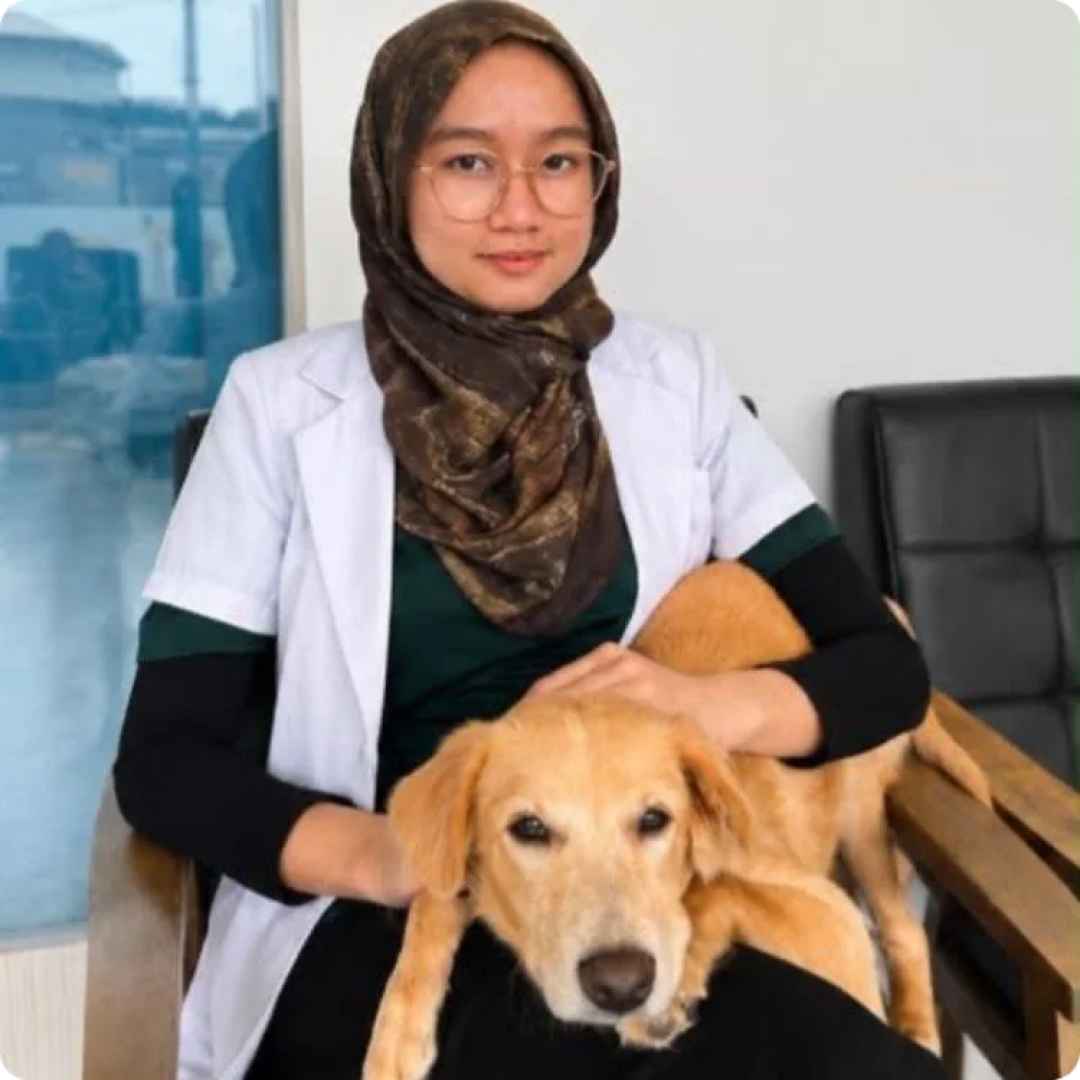
“Parvovirus can progress to severe dehydration and systemic complications, particularly in young puppies. Owners should not wait for bloody diarrhoea or collapse before seeking veterinary assessment. Prompt testing, appropriate supportive care and vaccination are central to reducing the risk of severe disease.”
— Dr. Asma Fariha (Lead Vet, ExoCare Vet Medical Centre)
Parvovirus Treatment Cost in Malaysia
Published third-party Malaysian estimates suggest that treatment may cost approximately RM1,000–RM5,000 or more, depending on severity and hospitalisation requirements. This is a broad budgeting estimate, not an ExoCare quotation. Reference: Oyen Malaysia, 2026 cost guide.
The total may include:
- Consultation and rapid parvovirus testing.
- CBC, biochemistry, glucose and electrolyte testing.
- Intravenous fluids and prescribed medication.
- Hospitalisation, monitoring and nutritional support.
- Repeat blood tests and follow-up assessments.
There is no single fixed treatment fee that applies to every case. Ask ExoCare for an itemised estimate after initial examination; costs may change if the patient’s condition deteriorates or additional treatment becomes necessary.
Read : Dog Skin Allergy Malaysia : Tropical Causes & Treatment Cost
When to See a Vet?
Seek urgent veterinary attention for repeated vomiting, bloody diarrhoea, severe weakness, pale gums, collapse, inability to drink or suspected dehydration.
Call before arriving if parvovirus is suspected. This allows the clinic to prepare appropriate isolation measures and reduce exposure risk to other patients.
- ExoCare Veterinary Medical Centre
- Address: G3, Lot 15, Jalan SS 16/1, SS 16, 47500 Subang Jaya, Selangor.
- Published hours: Monday and Wednesday–Sunday, 11:00 AM–7:00 PM; closed Tuesdays.
- Telephone: +60 16-242 4884, as listed on ExoCare’s blood-testing page.
- Appointments: Official booking page.
Bring previous vaccination records, medication details and relevant medical history. A fresh faecal sample may be useful if requested, but do not delay emergency care to collect one.
ExoCare’s published critical-care hours are 11 AM–7 PM on its operating days. Do not assume 11 AM–10 PM or 24-hour emergency availability without direct confirmation. For emergencies outside these hours, contact a facility that confirms it can receive your dog.
Frequently Asked Questions
Can a dog survive parvovirus without treatment?
Untreated parvovirus can be fatal, particularly in puppies. Survival varies with disease severity, and supportive veterinary treatment substantially improves the chance of recovery. Do not wait for symptoms to become severe before seeking care.
How long does parvovirus treatment take?
Severe cases may require several days of hospitalisation. In one study of 322 hospitalised dogs, median hospitalisation was approximately 79 hours. Actual duration depends on hydration, vomiting, appetite, glucose, electrolytes and response to treatment.
Can vaccinated dogs still get parvovirus?
Yes. Vaccination substantially reduces risk, but incomplete vaccination, interference from maternal antibodies and occasional vaccine failure can leave some dogs susceptible. Follow the recommended primary series and booster schedule.
Conclusion
Canine parvovirus is a serious, potentially fatal infection, but prompt assessment and appropriate supportive care can improve the chance of recovery. Vomiting, diarrhoea and lethargy in a puppy warrant urgent attention, especially when vaccination is incomplete.

Do not delay urgent veterinary care while waiting for a quotation or a change in symptoms.
References :
- Chalifoux et al., Prognostic Indicators at Presentation for Canine Parvoviral Enteritis: 322 Cases (2001–2018), Journal of Veterinary Emergency and Critical Care, 2021. https://doi.org/10.1111/vec.13052
- Sarpong et al., Evaluation of Mortality Rate and Predictors of Outcome in Dogs Receiving Outpatient Treatment for Parvoviral Enteritis, Journal of the American Veterinary Medical Association, 2017. https://doi.org/10.2460/javma.251.9.1035
- Merck Veterinary Manual, Canine Parvovirus Infection (Parvoviral Enteritis in Dogs). https://www.merckvetmanual.com/digestive-system/infectious-diseases-of-the-gastrointestinal-tract-in-small-animals/canine-parvovirus-infection-parvoviral-enteritis-in-dogs
- ExoCare Veterinary Medical Centre, Infectious Disease Testing. https://exocarevet.com/services/diagnostics/infectious-disease/
- ExoCare Veterinary Medical Centre, Pet Blood Tests (CBC & Biochemistry). https://exocarevet.com/services/diagnostics/blood-tests/
- ExoCare Veterinary Medical Centre, Critical Care. https://exocarevet.com/services/hospitalisation/critical-care/
- Oyen Malaysia, Dog Parvovirus (Parvo) in Malaysia: Symptoms, Survival & Cost 2026. https://www.oyen.my/post/dog-parvovirus-parvo-in-malaysia-symptoms-survival–cost-2026
This article has been medically reviewed based on clinical protocols by:
Dr. Asma Farihah (MVC No. 3362).
Lead Veterinarian & Co-Founder, ExoCare Vet Medical Centre, Subang Jaya. ExoCare is a referral veterinary medical center specializing in the medical, surgical, and critical care of small animals, exotic pets, avian species, reptiles, rodents, and amphibians in Malaysia.