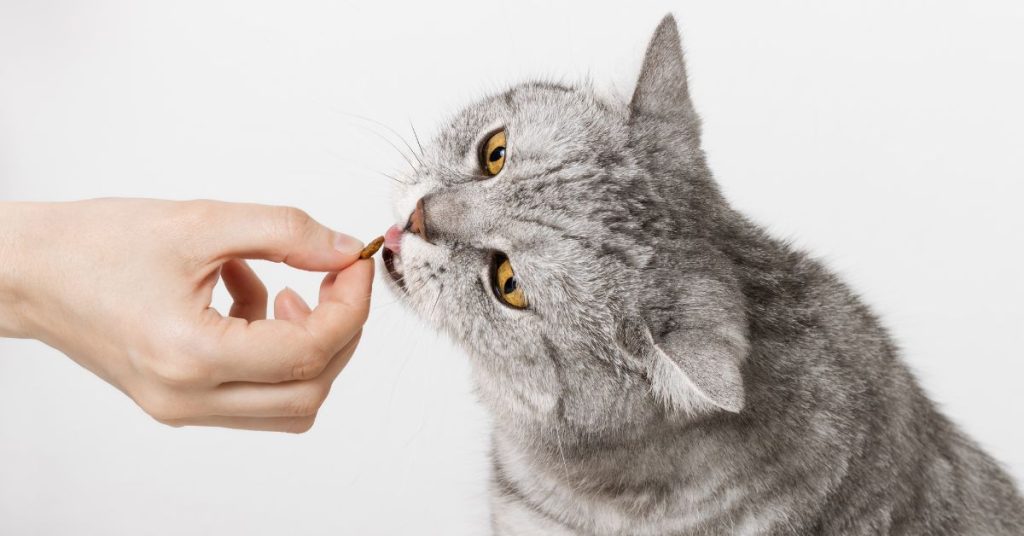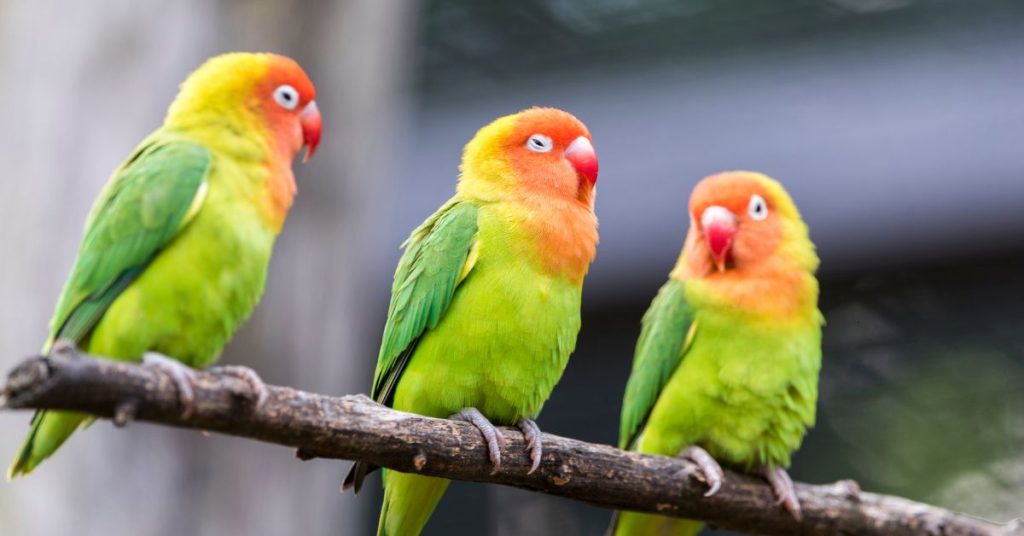

- Pet insurance in Malaysia reimburses vet bills for illness, injury, and surgery on a pay-and-claim basis.
- A single emergency such as a urinary blockage, GDV, or fracture can run into the thousands of ringgit.
- Many owners are caught off guard not by the vet bill itself, but by not understanding which fees are fixed regardless of outcome & what their pet insurance will and won’t reimburse.
- Understanding fee structure and policy terms upfront, paired with insurance or a dedicated emergency fund, removes the guesswork when your pet needs urgent care.
- Speak to ExoCare Vet Medical Centre about cost transparency before your pet’s next visit.
For many Malaysian pet owners, the most stressful part of a vet visit isn’t the diagnosis, it’s the bill. Pet insurance is still uncommon here, so most owners pay out of pocket and a big bill lands all at once.
It doesn’t help that pet insurance is widely misunderstood: owners assume it covers everything, that a “normal” diagnostic result means the fee should be waived, or that private and government clinics should charge the same. None of those assumptions hold up in practice, and believing them is what turns a manageable expense into a financial shock.
This guide breaks down what pet insurance in Malaysia actually covers, how veterinary fee structures work, why certain diagnostic charges are non-waivable regardless of outcome, and how to plan through insurance or a dedicated emergency fund so an urgent case never catches you financially unprepared.
Note on scope: this is general educational information, not financial or insurance advice. Premium ranges below are indicative for 2026 and vary by insurer, pet, and policy, always confirm current terms directly.
What Pet Insurance Actually Covers
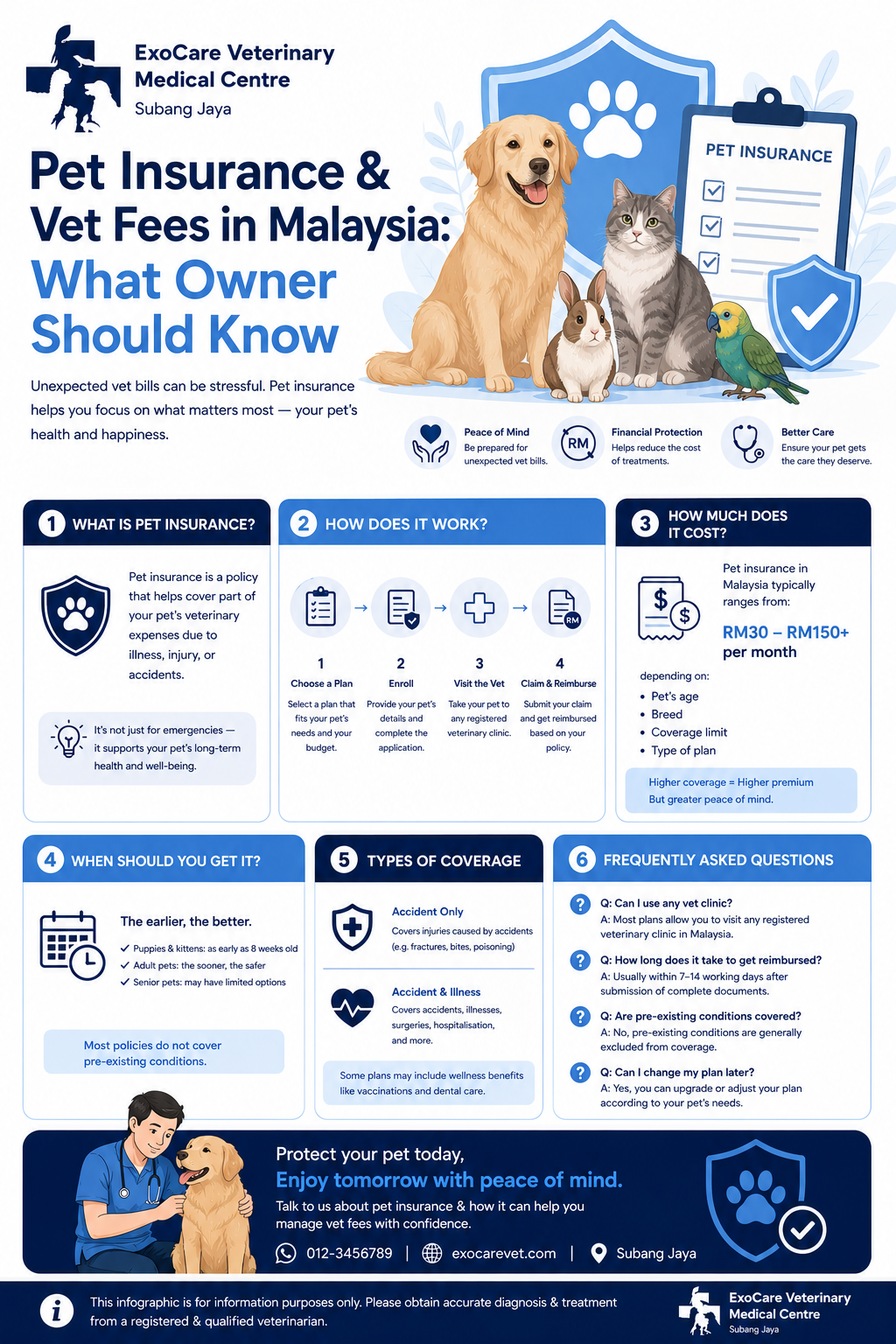
Pet insurance in Malaysia reimburses a percentage of your vet bill after you pay upfront, while diagnostic and treatment fees follow a fixed, non-waivable structure regardless of outcome. Understanding both is what prevents financial shock during an emergency.
Pet insurance in Malaysia is reimbursement-based: you pay the vet bill upfront, then submit a claim. Most policies cover consultation fees, diagnostic tests (blood work, x-ray, ultrasound), prescribed medication, surgery, and hospitalisation. Routine preventive care such as vaccination, deworming, and sterilisation is typically excluded, as are pre-existing conditions.
Annual premiums generally range from roughly RM300 to RM530 for cats, scaling higher for dogs and older pets (indicative 2026 figures, verify with your insurer). Policies commonly reimburse at 50%, 70%, or 90% of the approved bill up to an annual cap.
Most also carry two figures worth checking before you buy: an excess (a fixed amount you pay per claim) and a co-payment (a percentage you keep paying even after the excess is met). Both reduce what you actually receive back.
Related: Expert for Exotic & Small Animals Vet in Klang Valley (2026)
Risks & Malaysia’s Climate Impact
- Heatstroke and dehydration in dogs left outdoors or in poorly ventilated spaces, requiring emergency IV fluid therapy and monitoring.
- Skin and ear infections that flare faster in humid conditions, often needing repeat visits and repeat medication if undertreated.
- Tick-borne and mosquito-borne disease (such as tick fever or heartworm), which can require extended hospitalisation and follow-up bloodwork if caught late.
Each of these can escalate from a RM50 consultation into a multi-day hospitalisation bill if delayed. That is the kind of open-ended cost that insurance or an emergency fund exists to absorb.
Why Vet Bills Add Up Quickly
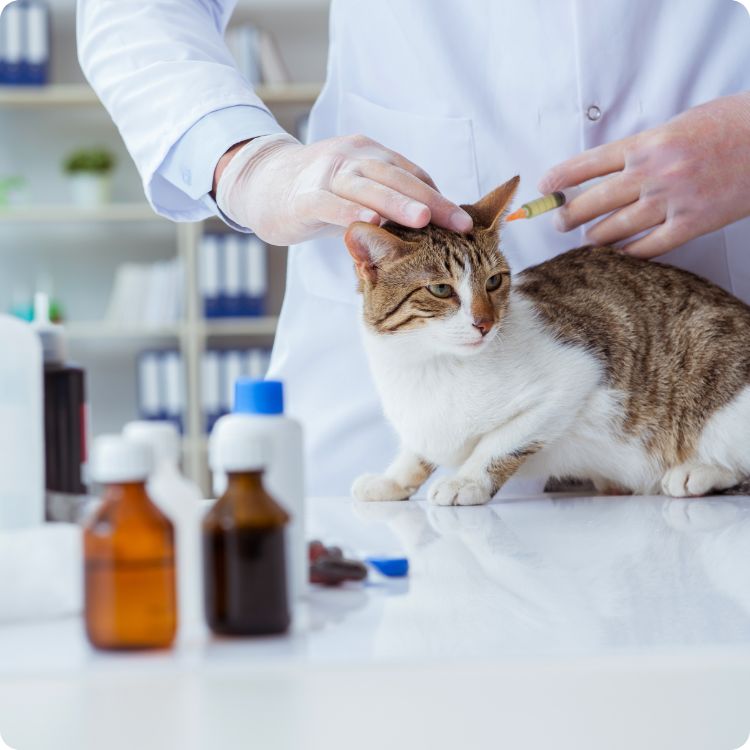
- Consultation fee covers the physical exam and clinical assessment only.
- Diagnostics (bloodwork, x-ray, ultrasound) are billed separately and reflect the equipment, technician time, and specialist interpretation required.
- Treatment and medication are added once a diagnosis is reached.
- Hospitalisation, if needed, is charged per day and adds up quickly over a multi-day stay.
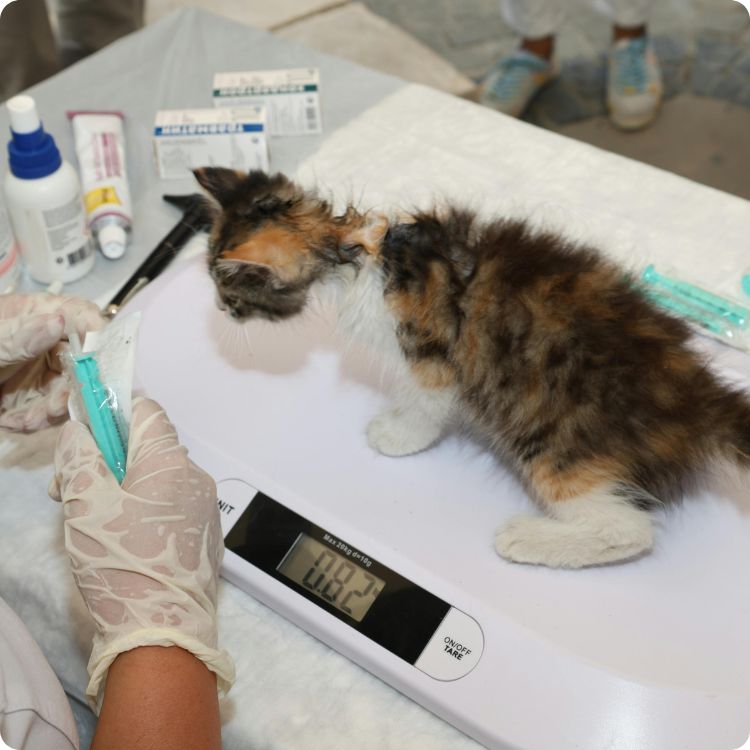
A single emergency visit involving diagnostics and an overnight stay can realistically reach RM1,000 to RM5,000, even before surgery is factored in. Knowing the fee structure in advance matters as much as the insurance itself.
How Clinical & Diagnostic Costs Are Determined
1. Equipment overhead
In-house digital radiography, ultrasound, and laboratory analysers represent significant capital and maintenance cost.
2. Specialist interpretation time
A radiograph or blood panel requires trained clinical judgement, not just the raw test.
3. Sample handling
Some tests require correct collection and processing regardless of the eventual diagnosis.
This is why diagnostic charges are billed once the test is performed, whatever the result. The clinical work has already taken place, and a “normal” result is still a clinically valuable answer rather than proof the test was unnecessary.
Common Pet Insurance & Vet Fee Myths
Cost confusion at the vet usually comes from a handful of persistent myths rather than hidden charges.
| Myth | Reality |
|---|---|
| Pet insurance covers all vet visits | Routine and preventive care (vaccines, deworming, sterilisation) is usually excluded from coverage |
| Diagnostic fees can be waived if nothing is found | Diagnostic charges reflect the work performed, not the outcome, and they apply regardless of result |
| Government clinic pricing applies everywhere | Private referral clinics offer advanced diagnostics and emergency care unavailable at government clinics, reflected in their fee structure |
| You only need insurance for “high-risk” pets | Any pet can have an accident or sudden illness, so cost risk isn’t limited to specific breeds or ages |
Our Experience at ExoCare Vet Medical Centre (Subang Jaya)
In our clinical experience, the most stressful moment for owners is rarely the diagnosis itself, it’s not knowing what the bill will look like. We routinely see owners delay an emergency visit for a day or two out of cost anxiety, only for a manageable problem to become a multi-day hospitalisation.
According to ExoCare’s medical protocols, every patient requiring anaesthesia receives continuous cardiac monitoring and precision dosing regardless of species or size, and soft-tissue surgery follows fixed clinical protocols rather than being adjusted to fit a budget.
This applies whether you own a cat, a dog, or an exotic pet like a rabbit, parrot, or reptile. Fee structure and insurance considerations follow the same principles across species, though diagnostic costs can vary by the equipment a specific patient requires.
We tell new clients that a baseline health screening at the first visit before anything is wrong, helps establish what’s normal for your pet, which makes future diagnostics faster, more targeted, and often cheaper.
“Owners in Malaysia underestimate vet costs the same way they underestimate climate-driven illness. A blood panel and an x-ray together can already pass RM300, and that’s before any treatment begins. Knowing your clinic’s fee structure, and having pet insurance or savings in place, is what determines whether an emergency is manageable or overwhelming.” — Dr. Asma Farihah, Lead Veterinarian & Co-Founder, ExoCare Vet Medical Centre
When to See a Vet?

- Sudden collapse, repeated vomiting, or inability to urinate or defecate. These point to potentially fatal problems such as a urinary blockage or systemic shock.
- Visible trauma, bleeding, or suspected fracture. Open wounds and fractures need prompt stabilisation to prevent infection and complications that make treatment far more expensive.
- Laboured or open-mouth breathing. Breathing difficulty is always an emergency, as it can deteriorate into full respiratory failure within hours.
- Bloated, painful abdomen (possible GDV in dogs). Gastric dilatation-volvulus is rapidly fatal without emergency surgery, so a swollen, tender belly should never wait.
Bring previous medical records, your pet insurance policy details (if applicable), and a secure carrier or leash.
Vet Emergency Care at ExoCare
ExoCare Vet Medical Centre provides emergency and critical care for cats, dogs, and exotic pets, but only during our operating hours. This is not a 24-hour service. Within opening hours our team can carry out rapid stabilisation, IV fluid therapy, oxygen support, and hospitalisation with monitoring, using the same in-house diagnostics available for routine cases. If your pet is in distress during the day, call us on the way so the team can prepare before you arrive. Outside our hours, contact your nearest 24-hour emergency veterinary hospital first, then follow up with us.
ExoCare Veterinary Medical Centre
Address: G3, Lot 15, Jalan SS 16/1, SS 16, 47500 Subang Jaya, Selangor, Malaysia
Phone: +60 12-345 6789
Hours: Monday and Wednesday to Sunday, 11:00 AM to 7:00 PM (closed Tuesdays)
Email: info@exocarevet.com
ExoCare also runs additional clinics across the Klang Valley, including USJ, Puchong, Kelana Jaya, Bandar Sunway, Taman Paramount, Bukit Kiara, and Damansara.
FAQ
1. Does pet insurance in Malaysia cover exotic and small animals?
Most pet insurance plans in Malaysia are built for cats and dogs, and very few extend coverage to exotic or small animals such as rabbits, reptiles, birds, ferrets, or sugar gliders. Local underwriters typically limit eligibility by species, age, and pre-existing conditions, so exotics are often excluded or require a special quote.
Before you buy, confirm in writing whether your specific species is covered. A policy that only names “small mammals” may still reject a reptile or avian claim. Note that consultation and diagnostic fees at the clinic are non-waivable and payable upfront regardless of insurance; most Malaysian pet plans work on a reimbursement basis, meaning you pay the clinic first and claim back later.
2. What does pet insurance actually pay for, and what’s excluded?
Malaysian pet plans generally cover accidents, illness, surgery, and hospitalisation up to an annual limit (commonly RM1,500–RM9,000 depending on tier), often with a co-payment (e.g. you bear 10–20%) and an excess/deductible per claim. Routine and preventive care like vaccinations, deworming, grooming, spaying/neutering, and wellness exams is usually excluded unless you add a wellness rider.
Pre-existing conditions, congenital issues, and husbandry-related illness (very common in exotics kept in the wrong temperature or diet) are frequent grounds for rejected claims. Because exotic diagnostics (bloodwork plus imaging) can run RM150–RM500 and are quoted before treatment, check whether your plan reimburses diagnostics or only treatment.
3. How do I claim, and how long does reimbursement take?
Most Malaysian pet insurers use a pay-first, claim-later model: you settle the clinic bill in full, then submit the itemised invoice, medical records, and a claim form (usually within 14–30 days of treatment). Keep every receipt, including the non-waivable consultation and diagnostic fees, since claims are assessed line by line.
Reimbursement typically takes around 14–30 days after a complete submission, and incomplete documentation is the most common cause of delay. For faster processing, ask your vet for a detailed diagnosis and treatment breakdown at the time of visit.
Conclusion
Vet costs in Malaysia feel unpredictable mostly because owners don’t learn the fee structure until they’re already in crisis, not because clinics are inconsistent. Whether through pet insurance or a dedicated savings buffer, planning ahead turns a financial shock into a manageable expense.
Don’t wait for an emergency to find out what care costs. Check your pet here and book an appointment with ExoCare Vet Medical Centre to understand what to expect before your next visit.
Disclaimer: This article is for informational purposes only and does not constitute financial or insurance advice. Always review your specific policy’s terms and conditions, and consult a licensed veterinarian for medical decisions about your pet.
References
-
National Association of Insurance Commissioners (NAIC), A Regulator’s Guide to Pet Insurance (White Paper). Accessed at: https://content.naic.org/sites/default/files/publication-pin-op-pet-insurance.pdf
-
National Association of Insurance Commissioners (NAIC), Insurance Topics: Pet Insurance. Accessed at: https://content.naic.org/insurance-topics/pet-insurance
-
Association of British Insurers (ABI), Insurance payouts for ‘pawly’ pets top £1 billion for third year in a row, Published 24 May 2025 (last updated 4 June 2025). Accessed at: https://www.abi.org.uk/news/news-articles/2025/5/insurance-payouts-for-pawly-pets-top-1-billion-for-third-year-in-a-row/
-
Association of British Insurers (ABI), Pet Insurance Guide — Choosing the Right Insurance. Accessed at: https://www.abi.org.uk/products-and-issues/choosing-the-right-insurance/pet-insurance-guide/
-
Bank Negara Malaysia (BNM), Insurance & Takaful. Accessed at: https://www.bnm.gov.my/insurance-takaful
This article has been medically reviewed based on clinical protocols by:
Dr. Asma Fariha (MVC No. 3362).
Senior Veterinary Specialist, ExoCare Vet Medical Centre, Subang Jaya.
ExoCare is a referral veterinary medical center specializing in the medical, surgical, and critical care of small animals, exotic pets, avian species, reptiles, rodents, and amphibians in Malaysia.