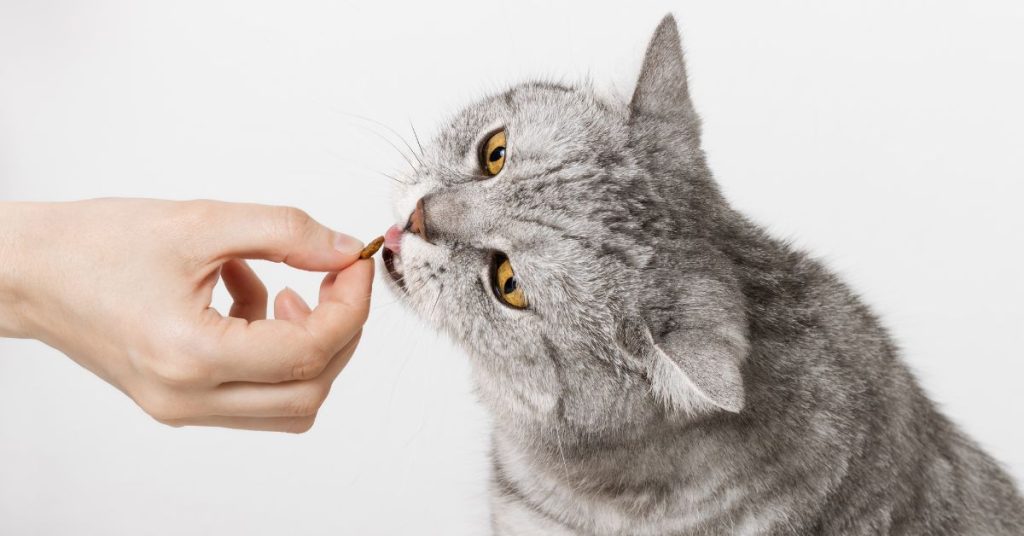

- Several everyday human foods such as avocado, chocolate, grapes, onion/garlic, xylitol, alcohol, and macadamia nuts are toxic to pets, and some are uniquely dangerous to birds and rabbits.
- Many owners assume “natural” or “healthy” human foods are safe to share, not realising species differences in toxin tolerance.
- Avocado, which seems harmless or even healthy, can cause fatal cardiac damage in birds and rabbits specifically.
- Knowing which foods are dangerous for your specific pet type, not just “pets” generically to prevent accidental poisoning.
- If your pet has eaten any of these foods, contact ExoCare Vet Medical Centre immediately rather than waiting for symptoms to appear.
In Malaysian homes, sharing food is second nature, and pets are usually somewhere near the table. That is exactly where a lot of accidental poisonings begin. Some of the most common human foods are genuinely toxic to pets, and a few are uniquely fatal to birds and rabbits.
Most owners assume anything wholesome for people must be safe to pass along, but toxicity isn’t universal. A food that only mildly upsets a dog can kill a bird or rabbit, so a generic list isn’t enough. What matters is the risk for your specific species.
This guide covers the seven human foods most dangerous to pets, the toxin behind each one, why some are especially deadly to exotic species in Malaysian households, and what to do if your pet has already eaten something it shouldn’t have. It reflects the toxic-ingestion cases our team sees in Subang Jaya, cross-checked against ASPCA and Merck toxicology references.
Why Species Matters When It Comes to Toxic Food
Toxicity isn’t universal across pets. A food that’s mildly upsetting to a dog, like avocado, can be fatal to a bird or rabbit, so knowing your specific pet’s species risk matters more than knowing a generic “toxic foods” list.
Toxicity depends on species-specific metabolism. An animal is harmed by a compound when it lacks the enzymes to break it down, or when its heart, liver, or kidneys are especially sensitive to it. A food that causes mild stomach upset in a dog can therefore be fatal in a bird or rabbit.
This matters in Malaysia, where many households keep birds, rabbits, and small mammals alongside cats and dogs, and where a treat meant for one pet is easily offered to another.
Related: Are Dwarf Hamsters Prone to Diabetes? Rodent Health Facts
7 Human Foods Toxic to Pets

1. Avocado
Avocado contains persin in its skin, flesh, and pit. It is primarily dangerous for birds and rabbits, where the main concern is cardiovascular damage, fluid around the heart, and sudden death. Cats and dogs are generally less severely affected, but ingestion should still be avoided, and the large pit is also a choking and obstruction hazard.
2. Chocolate, Coffee & Caffeine
These contain methylxanthines (theobromine and caffeine), which can cause vomiting, diarrhoea, abnormal heart rhythm, tremors, seizures, and death. The darker the chocolate or higher the caffeine content, the greater the risk per gram.
3. Grapes & Raisins
Tartaric acid in grapes and raisins can trigger acute kidney injury, particularly in dogs, which cannot process this compound effectively. There is no reliably “safe” amount, so any ingestion warrants a call to the vet.
4. Onion, Garlic & Chives
These cause gastrointestinal irritation and oxidative damage to red blood cells, leading to haemolytic anaemia. Cats are especially susceptible, though dogs are also at risk. The danger applies whether the vegetable is raw, cooked, powdered, or hidden in leftovers and gravies, which makes shared local dishes a common culprit.
5. Xylitol
Found in sugar-free gum, candy, peanut butter, and baked goods, xylitol can cause a rapid, dangerous drop in blood sugar (hypoglycaemia) and liver damage, with symptoms sometimes progressing to seizures within hours.
6. Macadamia Nuts
These can cause weakness, tremors, vomiting, and hyperthermia in dogs, typically appearing within 12 hours of ingestion. Signs are usually temporary but distressing and warrant veterinary assessment.
7. Alcohol & Yeast Dough
Alcohol is rapidly absorbed and can cause disorientation, coma, or death. Raw yeast dough is doubly dangerous: it expands in the warm stomach and ferments to produce alcohol as a by-product, compounding the risk.
Risks & Malaysia’s Climate Impact
Malaysia’s warm climate means fruits like avocado and citrus are available year-round and often shared with pets without a second thought. Many homes also keep birds and rabbits alongside cats and dogs, which raises the chance that a food safe for one species ends up offered to another that can’t tolerate it. Warm indoor temperatures also speed the fermentation of dropped dough or spoiling fruit, adding another route to accidental exposure.
Why Do These Foods Cause Poisoning?
-
Species-specific enzyme deficiencies: pets lack the enzymes needed to break down certain compounds (such as tartaric acid in grapes or persin in avocado).
-
Accidental access: food is left within reach, dropped on the floor, or shared between pets, especially in multi-pet households.
-
Well-meaning but uninformed sharing: owners assume “natural” or “healthy” foods are safe across species.
Clinical & Laboratory Diagnosis

When toxic ingestion is suspected, diagnosis begins with a thorough history (what was eaten, how much, and when), followed by:
- Full serum biochemistry profiles to assess liver and kidney function, the organs most often targeted.
- In-house cytology and blood tests to check for anaemia or electrolyte abnormalities.
- Radiography, if a foreign body or obstruction (such as an avocado pit) is also suspected.
Early presentation improves treatment options, since some toxins like xylitol cause damage that progresses over just 12 to 24 hours. In a small exotic patient, that window is even shorter.
Common Care Myths
Most food-related emergencies trace back to one well-meaning belief: that “natural” or “healthy” human food is automatically safe to share. In fact, toxicity depends entirely on species.
| Myth | Reality |
|---|---|
| Avocado is a healthy treat for any pet | It’s specifically dangerous for birds and rabbits due to cardiac toxicity from persin |
| A small amount of chocolate is harmless | Even small amounts can be dangerous depending on the pet’s size and the chocolate’s cacao content |
| Sugar-free treats are a safer alternative | Many sugar-free products contain xylitol, which is more dangerous than sugar itself |
| Table scraps are fine in moderation | Onion, garlic, and grapes are toxic in small amounts regardless of “moderation” |
Our Experience at ExoCare Vet Medical Centre (Subang Jaya)
In our clinical experience, toxic-ingestion cases often arrive later than ideal, because owners wait to see whether symptoms develop before seeking care. The cases that worry us most are not the dogs that ate chocolate, most owners know that risk but the rabbit or bird given a piece of avocado as a “healthy” treat, where the owner had no idea it was dangerous.
According to ExoCare’s medical protocols, suspected toxin cases are treated as time-sensitive, with full serum biochemistry profiles and in-house cytology used immediately to assess organ involvement, so treatment isn’t delayed while samples are sent elsewhere.
We advise owners with several pet species at home; birds, rabbits, cats, and dogs to store all human food well out of reach, since what’s safe for one species in the household may be lethal for another sharing the same space.
Expert Commentary
“The case that worries us most isn’t the dog that ate chocolate. Owners are generally aware of that risk. It’s the rabbit or bird that gets a piece of avocado as a ‘healthy’ treat. The toxicity is real, fast-acting, and not something most owners know to watch for.” — Dr. Asma Farihah, Lead Veterinarian & Co-Founder, ExoCare Vet Medical Centre
When to See a Vet?

-
Vomiting, diarrhoea, or lethargy. Early signs the toxin is affecting the gut or system.
-
Tremors, seizures, or incoordination. Neurological signs mean the toxin is reaching the brain or nervous system, a critical emergency.
-
Rapid breathing or abnormal heart rhythm. Cardiac and respiratory effects, as with chocolate or avocado, can turn fatal without immediate care.
-
Loss of appetite following known ingestion. Refusing food after eating something toxic is an early warning worth acting on straight away.
Bring the packaging or a sample of what was eaten if possible, along with the approximate amount and time of ingestion.
Vet Emergency Care at ExoCare
ExoCare Vet Medical Centre provides emergency and critical care for suspected poisoning in cats, dogs, and exotic pets, but only during our operating hours. This is not a 24-hour service.
Poisoning is time-sensitive, so within opening hours our team treats it as urgent, using in-house biochemistry and cytology to assess organ involvement immediately and start supportive care without delay. Call us on the way so we can prepare. Outside our hours, contact your nearest 24-hour emergency veterinary hospital first, then follow up with us.
ExoCare Veterinary Medical Centre
Address: G3, Lot 15, Jalan SS 16/1, SS 16, 47500 Subang Jaya, Selangor, Malaysia
Phone: +60 12-345 6789
Hours: Monday and Wednesday to Sunday, 11:00 AM to 7:00 PM (closed Tuesdays)
Email: info@exocarevet.com
ExoCare also runs additional clinics across the Klang Valley, including USJ, Puchong, Kelana Jaya, Bandar Sunway, Taman Paramount, Bukit Kiara, and Damansara.
FAQ We Received at ExoCare Vet Medical Centre
1. What common foods are toxic to pets?
Several everyday foods are dangerous across cats, dogs, and exotics. The most serious for dogs and cats include chocolate (theobromine), grapes and raisins (kidney failure), onions, garlic, chives and leeks (damage red blood cells), xylitol (sugar-free gum and sweets, causes a sharp blood-sugar crash), macadamia nuts, alcohol, caffeine, and raw bread dough.
For rabbits, guinea pigs, and other small herbivores, avoid chocolate, avocado, iceberg lettuce in excess, and any meat or dairy. For birds, avocado (persin), chocolate, caffeine, salt, and fruit seeds/pits are especially deadly. Amount and body size matter, a dose that’s harmless to a large dog can be fatal to a hamster or a budgie.
2. My pet ate something toxic, what should I do right now?
Act fast and do not wait for symptoms, since many toxins (like xylitol or onion) act with a delay. Remove any remaining food, note what and how much was eaten and the time, and call a vet immediately before attempting anything at home, do NOT try to induce vomiting unless a vet instructs you, as it can cause more harm with certain substances or in birds and small mammals.
Bring the packaging or a photo of the item. Because poisoning is time-sensitive, phone ahead so the clinic can prepare. Emergency consultation fees in Malaysia typically run RM100–RM250 and are non-waivable at check-in, on top of diagnostics and treatment.
3. How is food poisoning treated at the vet, and what does it cost?
Treatment depends on the toxin and how quickly you arrive. It may involve inducing vomiting, activated charcoal, IV fluids, blood tests to check liver and kidney function, and hospitalisation for monitoring, often a 24–48 hour stay for serious cases like grape, xylitol, or onion ingestion.
Diagnostics such as bloodwork plus imaging commonly run RM150–RM500 and are quoted before treatment; consultation and diagnostic fees are generally non-waivable regardless of the outcome. Early treatment dramatically improves the prognosis and lowers cost, so never “wait and see.”
Conclusion
Not every food that’s safe for one pet is safe for another, and for birds and rabbits especially, common “healthy” foods like avocado can be fatal. Knowing which items are toxic for your specific pet, and acting before symptoms appear, is what keeps a shared snack from becoming an emergency.
If your pet has eaten anything questionable, don’t wait for symptoms. Check your pet here and book an appointment with ExoCare Vet Medical Centre right away for guidance.
References
-
U.S. Food & Drug Administration (FDA), Potentially Dangerous Items for Your Pet (edible dangers: chocolate, xylitol, grapes/raisins, onions, garlic, macadamia nuts, etc.), Content current as of 28 February 2023. Accessed at: https://www.fda.gov/animal-veterinary/animal-health-literacy/potentially-dangerous-items-your-pet
-
U.S. Food & Drug Administration (FDA), Xylitol and Dogs, A Deadly Combination, Content current as of 9 July 2019. Accessed at: https://www.fda.gov/animal-veterinary/animal-health-literacy/xylitol-and-dogs-deadly-combination
-
ASPCA Animal Poison Control Center (APCC), People Foods to Avoid Feeding Your Pets. Accessed at: https://www.aspca.org/pet-care/aspca-poison-control/people-foods-avoid-feeding-your-pets
-
Pet Poison Helpline, Poisons (searchable toxin database — foods, plants, medications). Accessed at: https://www.petpoisonhelpline.com/poisons/
-
American Veterinary Medical Association (AVMA), Household Hazards. Accessed at: https://www.avma.org/resources-tools/pet-owners/petcare/household-hazards
This article has been medically reviewed based on clinical protocols by:
Dr. Asma Farihah (MVC No. 3362).
Lead Veterinarian & Co-Founder, ExoCare Vet Medical Centre, Subang Jaya.
ExoCare is a referral veterinary medical center specializing in the medical, surgical, and critical care of small animals, exotic pets, avian species, reptiles, rodents, and amphibians in Malaysia.